

Understanding the Benefits of RG178 Coaxial Cable Assembly: A Comprehensive Guide
Release Date:2025-09-26


Understanding the Benefits of RG178 Coaxial Cable Assembly
Introduction to RG178 Coaxial Cable Assembly
RG178 coaxial cable assembly is a vital component in various electronic applications. It features a unique construction that provides superior performance characteristics, making it ideal for a wide range of uses, including telecommunications, data transmission, and more. Understanding the distinctive benefits of RG178 coaxial cable assembly can help professionals and hobbyists alike choose the right components for their needs.
What is RG178 Coaxial Cable Assembly?
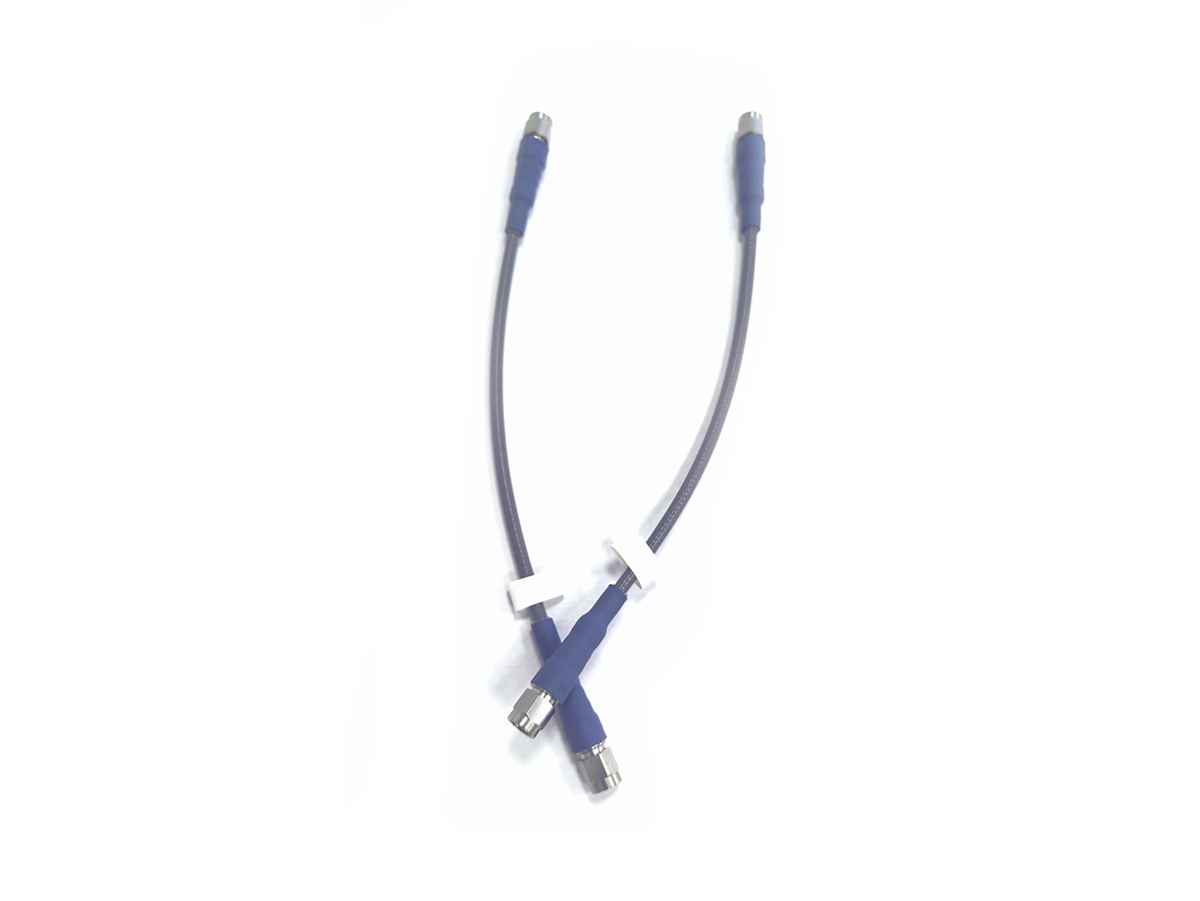
To fully appreciate RG178 coaxial cable assembly, it's essential to define what it is. This cable assembly comprises a central conductor, insulating layer, shielding, and an outer jacket. The inner conductor is typically made of copper, which allows for efficient signal transmission, while the insulating layer ensures minimal signal loss. The shielding protects against electromagnetic interference (EMI), enhancing the cable's overall performance.
Key Properties of RG178 Coaxial Cable
The RG178 coaxial cable possesses several critical properties:
- **Impedance:** RG178 has an impedance of 50 ohms, making it suitable for RF applications.
- **Signal Loss:** Low signal loss over distances contributes to its efficiency in data transmission.
- **Flexibility:** The cable's design allows for easy bending and routing in various applications.
- **Temperature Range:** RG178 is capable of functioning within a wide temperature range, ensuring reliability under different conditions.
Applications of RG178 Coaxial Cable Assembly
RG178 coaxial cable assembly is versatile and finds applications in numerous sectors.
Telecommunications
In telecommunications, RG178 cables are often used to connect antennas to receivers or transmitters. Their low loss and flexibility make them ideal for installations requiring precise signal transmission.
GPS and Satellite Communication
Due to its exceptional shielding properties, RG178 is frequently utilized in GPS and satellite communication systems. The cable’s ability to resist interference ensures accurate positioning and data transmission.
Radio Frequency (RF) Applications
The 50-ohm impedance of RG178 makes it suitable for RF applications. It is commonly used in applications like wireless communications, RFID systems, and other radio-frequency technology.
Consumer Electronics
From televisions to audio equipment, RG178 cables are frequently found in consumer electronics. They enable high-quality audio and video transmission, crucial for a satisfying user experience.
Benefits of Using RG178 Coaxial Cable Assembly
Understanding the specific benefits of RG178 coaxial cable assembly can aid in making informed decisions for your projects.
Superior Signal Quality
One of the primary advantages of RG178 is its ability to maintain signal integrity. The low signal loss contributes to clearer audio and video signals, making it a preferred choice for high-fidelity applications.
Durability and Longevity
RG178 coaxial cables are built to endure harsh environments. With robust construction, these cables resist wear and tear, ensuring long-lasting performance even in challenging conditions.
Versatile Design
The flexibility of RG178 allows for easy installation in various settings. Whether used in tight spaces or complex configurations, the cable can bend without compromising performance.
Cost-Effectiveness
Despite its superior performance characteristics, RG178 coaxial cable assembly is relatively affordable. This balance of cost and quality makes it an attractive option for both commercial and personal projects.
Comparison with Other Coaxial Cables
When comparing RG178 with other coaxial cables, it’s essential to consider performance, cost, and application suitability. RG178 typically outperforms standard cables in terms of flexibility and signal quality, making it a preferred choice for specialized applications.
Installation Tips for RG178 Coaxial Cable Assembly
Proper installation is critical to maximizing the performance of RG178 coaxial cables. Here are some essential tips:
Plan Your Layout
Before installation, plan the layout carefully. Ensure that the cable runs are as short as possible to minimize signal loss.
Avoid Sharp Bends
While RG178 is flexible, avoid sharp bends during installation, as this can damage the cable and lead to performance degradation.
Use Quality Connectors
Utilizing high-quality connectors can significantly enhance the performance of RG178 coaxial cables. Ensure connectors are compatible with the cable's specifications for optimal results.
Maintenance of RG178 Coaxial Cable Assembly
To prolong the lifespan and performance of RG178 cables, regular maintenance is vital.
Visual Inspection
Conduct periodic visual inspections to identify any signs of wear or damage. Look for fraying, kinks, or corrosion in connectors.
Cleaning
Keep connectors clean and free from dust or debris. Use a soft cloth and suitable cleaning solutions to maintain optimal performance.
Testing Signal Integrity
Regularly test the signal integrity to ensure the cable continues to perform at an acceptable level. This can help identify issues before they become significant problems.
Common FAQs about RG178 Coaxial Cable Assembly
What is the maximum length for RG178 coaxial cables?
The maximum length for RG178 coaxial cables can vary based on the application, but generally, lengths up to 50 feet are recommended for optimal signal quality.
Can RG178 be used outdoors?
While RG178 coaxial cables are durable, they are not specifically designed for harsh outdoor conditions. For outdoor applications, it's recommended to use weather-resistant cables.
Is RG178 suitable for video applications?
Yes, RG178 can be used for video applications, provided the distance is kept short to minimize signal loss.
What types of connectors are compatible with RG178?
RG178 coaxial cables are commonly used with SMA, BNC, and TNC connectors, among others. Ensure that the connector is suitable for the specific application.
How does RG178 compare to RG58?
RG178 is generally more flexible and has lower signal loss compared to RG58, making it better for applications that require tighter bends and higher frequencies.
Conclusion
In summary, RG178 coaxial cable assembly offers numerous advantages that make it a superior choice for a variety of applications. Its exceptional signal quality, durability, flexibility, and cost-effectiveness position it as a leading option in the electrical and wiring industry. Whether for telecommunications, GPS systems, or consumer electronics, understanding the benefits of RG178 can enhance your projects and ensure reliable performance. By following the best installation and maintenance practices, users can maximize the potential of RG178 cables, making them a wise investment for any professional or DIY enthusiast.


Do you have Questions?
Not sure what you're looking for? Unable to find what you need?