

Understanding the Essentials of Microwave Coaxial Cables: A Comprehensive Guide
Release Date:2025-08-10


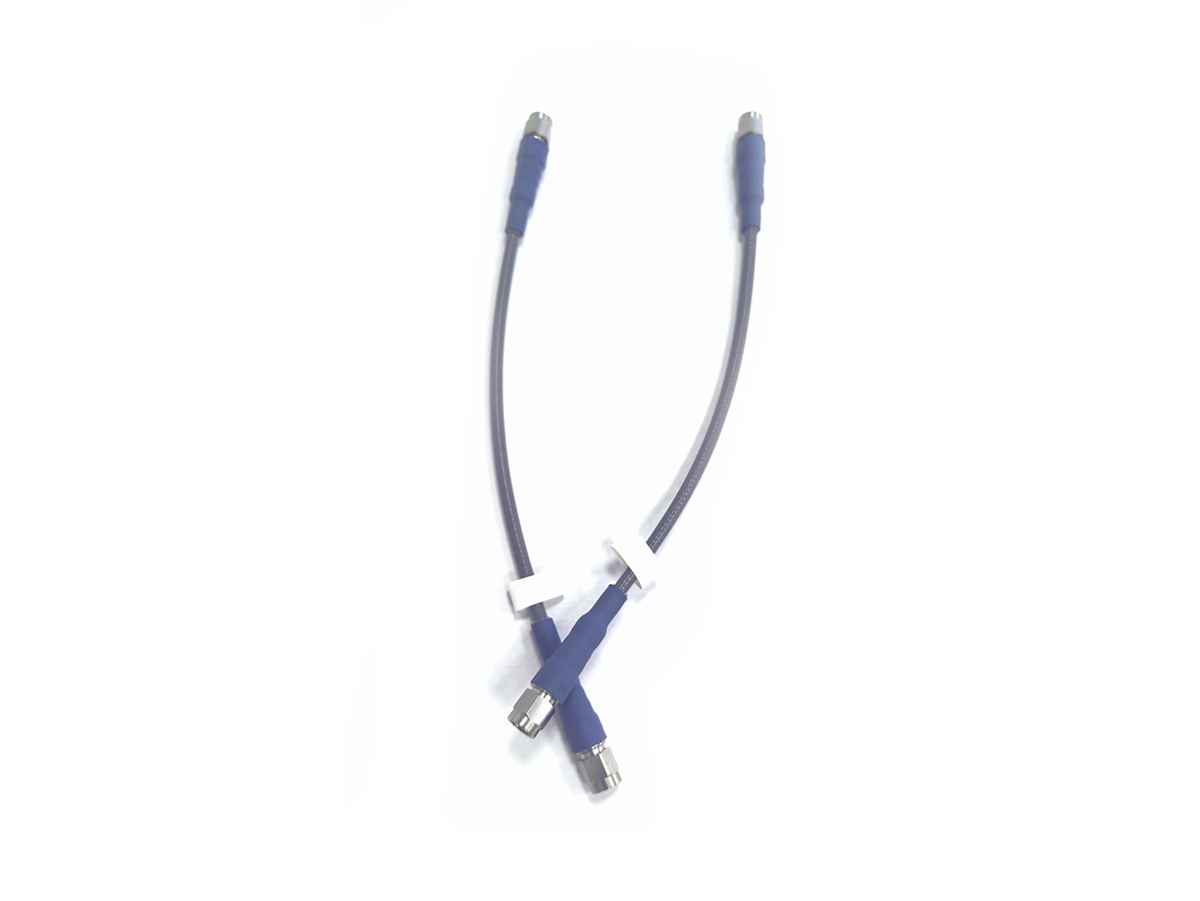
Microwave coaxial cables are a specialized type of coaxial cable designed to transmit microwave signals effectively. They play a crucial role in various applications, including telecommunications, broadcasting, and satellite communications. Understanding the construction and characteristics of microwave coaxial cables can enhance their application in specific environments.
One of the primary features of microwave coaxial cables is their structure, which consists of an inner conductor, an insulating layer, a shield, and an outer jacket. The inner conductor is typically made of copper or aluminum and carries the signal. The insulating layer is crucial as it separates the inner conductor from the outer shield and minimizes signal loss. The shield, usually made of braided copper or aluminum foil, provides protection against electromagnetic interference (EMI) and external noise, ensuring that the signal remains clear and strong. Finally, the outer jacket is designed to protect the cable from environmental factors such as moisture, chemicals, and physical damage.
Microwave coaxial cables are distinguished by their ability to operate at high frequencies, typically ranging from 1 GHz to 100 GHz. This frequency range makes them suitable for applications that require high-speed data transmission and precise signal integrity. When selecting a microwave coaxial cable, it's essential to consider factors such as impedance, loss characteristics, and power handling capabilities. The most commonly used impedance for these cables is 50 ohms, which is optimal for most microwave applications.
The benefits of using microwave coaxial cables are numerous. First and foremost, their design minimizes signal loss, which is critical in high-frequency applications. Additionally, these cables exhibit excellent durability and flexibility, making them suitable for various installation environments. Their ability to withstand high temperatures and harsh conditions ensures reliable performance over time, which is vital for mission-critical applications.
In terms of installation, microwave coaxial cables require careful handling to avoid damage to the delicate inner components. Proper installation techniques, including avoiding sharp bends and ensuring secure connections, will contribute to the longevity and performance of the cables.
In conclusion, microwave coaxial cables are essential components in modern telecommunications and broadcasting infrastructures. Understanding their construction, characteristics, and applications can significantly impact the effectiveness and reliability of signal transmission in high-frequency systems. Whether you are involved in designing, installing, or maintaining these systems, having a solid grasp of microwave coaxial cables will enhance your expertise in the electrical and telecommunications arena.
One of the primary features of microwave coaxial cables is their structure, which consists of an inner conductor, an insulating layer, a shield, and an outer jacket. The inner conductor is typically made of copper or aluminum and carries the signal. The insulating layer is crucial as it separates the inner conductor from the outer shield and minimizes signal loss. The shield, usually made of braided copper or aluminum foil, provides protection against electromagnetic interference (EMI) and external noise, ensuring that the signal remains clear and strong. Finally, the outer jacket is designed to protect the cable from environmental factors such as moisture, chemicals, and physical damage.
Microwave coaxial cables are distinguished by their ability to operate at high frequencies, typically ranging from 1 GHz to 100 GHz. This frequency range makes them suitable for applications that require high-speed data transmission and precise signal integrity. When selecting a microwave coaxial cable, it's essential to consider factors such as impedance, loss characteristics, and power handling capabilities. The most commonly used impedance for these cables is 50 ohms, which is optimal for most microwave applications.
The benefits of using microwave coaxial cables are numerous. First and foremost, their design minimizes signal loss, which is critical in high-frequency applications. Additionally, these cables exhibit excellent durability and flexibility, making them suitable for various installation environments. Their ability to withstand high temperatures and harsh conditions ensures reliable performance over time, which is vital for mission-critical applications.
In terms of installation, microwave coaxial cables require careful handling to avoid damage to the delicate inner components. Proper installation techniques, including avoiding sharp bends and ensuring secure connections, will contribute to the longevity and performance of the cables.
In conclusion, microwave coaxial cables are essential components in modern telecommunications and broadcasting infrastructures. Understanding their construction, characteristics, and applications can significantly impact the effectiveness and reliability of signal transmission in high-frequency systems. Whether you are involved in designing, installing, or maintaining these systems, having a solid grasp of microwave coaxial cables will enhance your expertise in the electrical and telecommunications arena.


Do you have Questions?
Not sure what you're looking for? Unable to find what you need?