

Understanding the Importance of Low Loss Coaxial Cable for Signal Integrity
Release Date:2025-07-12


Understanding the Importance of Low Loss Coaxial Cable for Signal Integrity
Table of Contents
1. Introduction to Coaxial Cables
2. What is Signal Integrity?
3. The Role of Low Loss Coaxial Cables
3.1 Key Characteristics of Low Loss Coaxial Cables
3.2 How Low Loss Cables Improve Signal Quality
4. Applications of Low Loss Coaxial Cables
4.1 Telecommunications
4.2 Broadcasting
4.3 Data Transmission
5. Choosing the Right Low Loss Coaxial Cable
5.1 Factors to Consider
5.2 Common Types of Low Loss Coaxial Cables
6. Maintenance and Installation Tips
7. FAQs about Low Loss Coaxial Cables
8. Conclusion: Why Low Loss Coaxial Cables are Essential for Signal Integrity
1. Introduction to Coaxial Cables
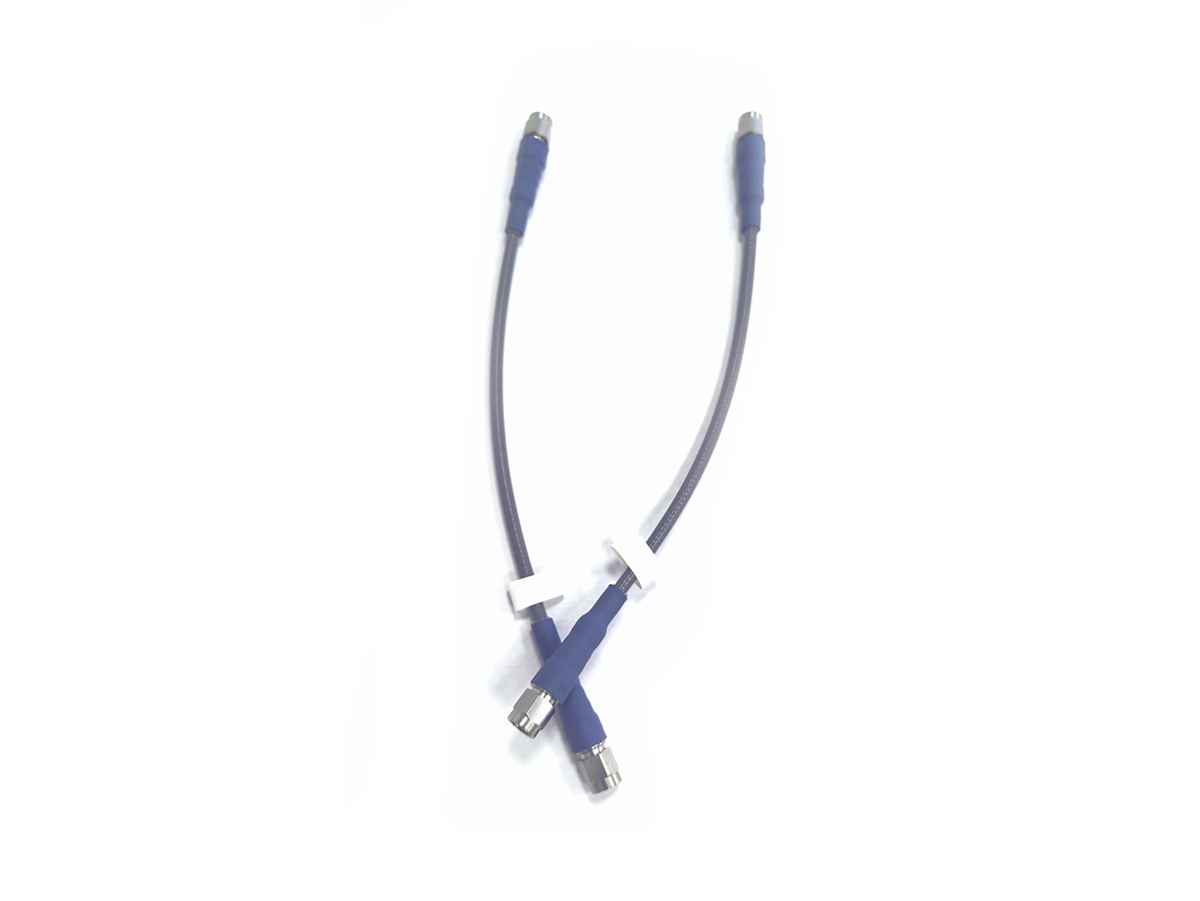
Coaxial cables, often referred to as coax cables, are widely used in various industries due to their superior performance in transmitting high-frequency signals. These cables consist of an inner conductor surrounded by a dielectric insulator, which is then enclosed by an outer conductive shield. This unique design protects the signal from external interference, making coaxial cables ideal for applications requiring reliable signal transmission.
2. What is Signal Integrity?
Signal integrity refers to the quality and reliability of an electrical signal as it travels through a medium. High signal integrity ensures that the transmitted data remains intact and is not distorted or lost during transmission. Factors such as attenuation, impedance mismatches, and electromagnetic interference can negatively impact signal integrity. As technology continues to evolve, maintaining optimal signal integrity has become increasingly crucial in telecommunications, broadcasting, and data transmission.
3. The Role of Low Loss Coaxial Cables
Low loss coaxial cables are specially designed to minimize signal loss during transmission. These cables offer several advantages that make them essential for maintaining signal integrity.
3.1 Key Characteristics of Low Loss Coaxial Cables
Low loss coaxial cables are characterized by their high-quality construction materials, including advanced dielectric materials and precise manufacturing processes. Some key features include:
- **Low attenuation**: These cables are engineered to reduce signal loss over long distances, ensuring that the signal remains strong and clear.
- **High frequency performance**: Low loss coaxial cables are capable of transmitting signals at higher frequencies without significant degradation, making them suitable for modern communication systems.
- **Durability**: The robust construction of low loss coaxial cables ensures they can withstand harsh environmental conditions, contributing to their longevity.
3.2 How Low Loss Cables Improve Signal Quality
Low loss coaxial cables improve signal quality by minimizing the factors that contribute to signal degradation. By reducing attenuation and preventing interference, these cables allow for clearer and more reliable communication. This is particularly important in applications where data accuracy and speed are critical.
4. Applications of Low Loss Coaxial Cables
Low loss coaxial cables find application in various fields, owing to their ability to maintain signal integrity.
4.1 Telecommunications
In telecommunications, low loss coaxial cables are extensively used to connect base stations, antennas, and other equipment. Their ability to transmit signals efficiently over long distances is vital for providing reliable cellular services.
4.2 Broadcasting
The broadcasting industry relies on low loss coaxial cables to deliver high-quality audio and video signals. These cables ensure that signals remain strong and undistorted, which is essential for broadcasting content to a wide audience.
4.3 Data Transmission
Low loss coaxial cables are also used in data transmission applications, such as internet connectivity and networking. Their ability to handle high data rates without signal loss makes them ideal for connecting routers, switches, and other network devices.
5. Choosing the Right Low Loss Coaxial Cable
Selecting the appropriate low loss coaxial cable is crucial for ensuring optimal performance in any application.
5.1 Factors to Consider
When choosing a low loss coaxial cable, consider the following factors:
- **Frequency range**: Ensure the cable can handle the frequencies you will be using.
- **Cable length**: Longer cables may incur more loss; consider the length needed for your setup.
- **Environmental factors**: Choose cables that can withstand the conditions they will be exposed to, such as moisture or extreme temperatures.
5.2 Common Types of Low Loss Coaxial Cables
Some common types of low loss coaxial cables include:
- **RG-6**: Widely used in TV distribution and cable systems, known for its low attenuation.
- **LMR-400**: Excellent for high-power applications, used in telecommunications and radio setups.
- **Belden 1694A**: Designed for broadcast applications, offering low loss and high flexibility.
6. Maintenance and Installation Tips
To ensure the longevity and performance of low loss coaxial cables, proper installation and maintenance are vital. Here are some tips to follow:
- **Avoid sharp bends**: Ensure the cable is laid out without sharp bends, which can cause signal loss.
- **Use appropriate connectors**: Choose connectors that match the cable type to prevent impedance mismatch.
- **Regular inspections**: Periodically check cables for signs of wear or damage, and replace them as needed.
7. FAQs about Low Loss Coaxial Cables
1. What is the difference between standard and low loss coaxial cables?
Low loss coaxial cables are designed with superior materials and construction techniques, resulting in reduced signal attenuation compared to standard cables. This makes them ideal for applications requiring high signal integrity.
2. How does cable length affect signal quality?
Longer cable lengths can lead to increased signal loss. Low loss coaxial cables mitigate this issue but still require careful consideration of length when designing a system.
3. Can low loss coaxial cables be used outdoors?
Yes, many low loss coaxial cables are designed for outdoor use, with weather-resistant jackets and materials that can withstand environmental elements.
4. What is the maximum frequency that low loss coaxial cables can handle?
The maximum frequency depends on the specific cable type. Generally, low loss coaxial cables can handle frequencies ranging from a few hundred MHz to several GHz.
5. Are low loss coaxial cables more expensive than standard cables?
Yes, low loss coaxial cables typically cost more due to their advanced materials and manufacturing processes. However, their benefits in maintaining signal integrity can justify the investment.
8. Conclusion: Why Low Loss Coaxial Cables are Essential for Signal Integrity
In today's fast-paced digital world, the importance of maintaining signal integrity cannot be overstated. Low loss coaxial cables play a critical role in ensuring that signals remain strong, clear, and reliable across various applications. By understanding the features, benefits, and applications of these cables, along with proper selection and maintenance practices, we can harness the full potential of our communication systems. Investing in low loss coaxial cables is not just a choice; it's a necessity for anyone looking to achieve optimal performance in their networks, broadcasting systems, or telecommunications infrastructure.


Do you have Questions?
Not sure what you're looking for? Unable to find what you need?