

Unraveling the Magic of Low-Loss Phase-Stable Coaxial Cable
Release Date:2025-12-27


Understanding Coaxial Cables
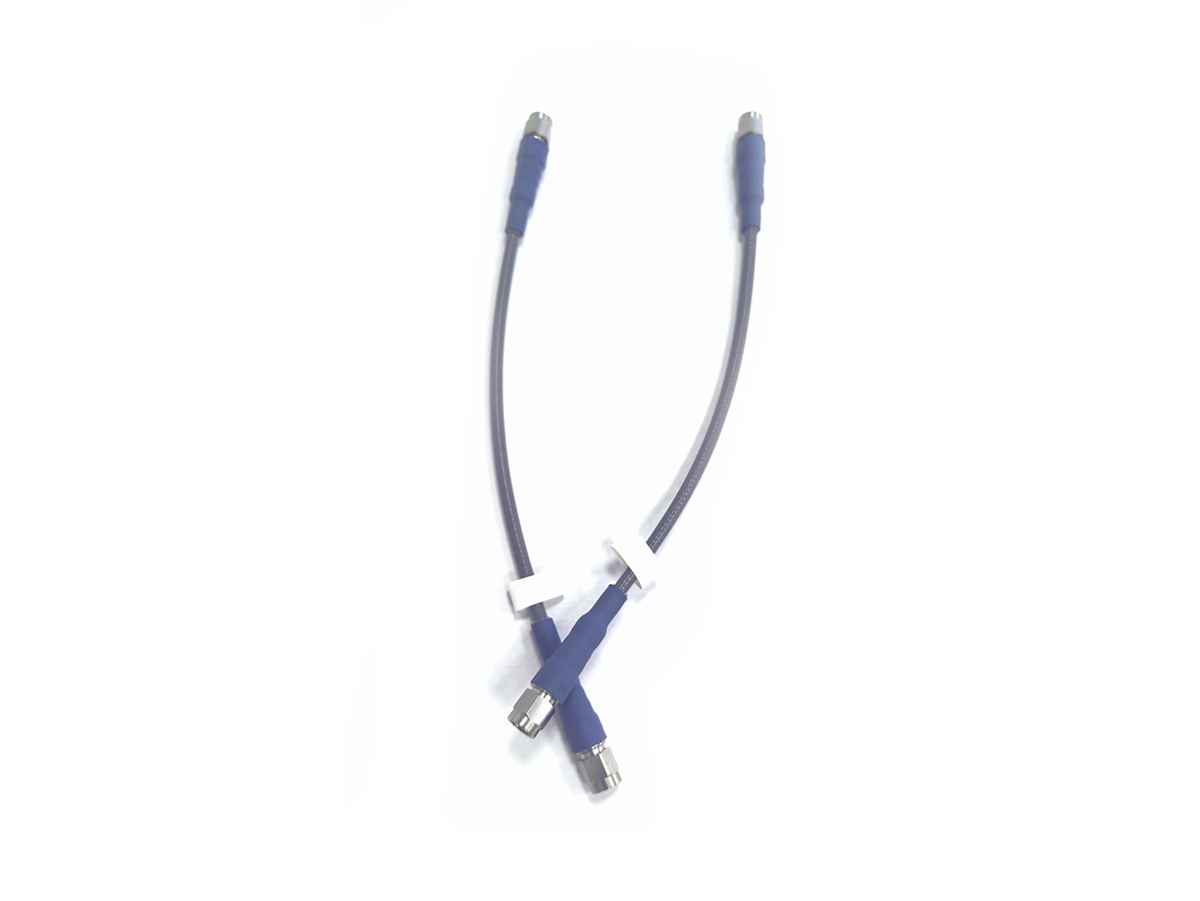
Coaxial cables are often the unsung heroes of the tech world. You know, those cables that look like thick, shiny tubes? They play a crucial role in transmitting data and signals between devices. But not all coaxial cables are created equal! Enter the Low-Loss Phase-Stable Coaxial Cable, a game-changer that's making waves in various industries.
What Makes Them Low Loss?
First off, let's tackle the term "low-loss." This essentially means that the cable is designed to minimize signal degradation over distance. Think of it like a water pipe: the smoother the interior, the less resistance there is. In terms of coaxial cables, that means reduced insertion loss and reflection loss, which can be a real headache when you're dealing with sensitive signals.
Phase Stability: The Secret Sauce
Now, onto the phase stability part. When signals travel through a cable, they can experience phase shifts, which affect how well they work together. A Low-Loss Phase-Stable Coaxial Cable is engineered to keep these phase shifts to a minimum. This is particularly vital in high-frequency applications where timing is everything. Imagine trying to listen to a band where all the instruments are slightly out of sync—frustrating, right?
Applications Galore!
So, where can you find these marvels in action? The applications are pretty extensive:
- Telecommunications: Ensuring clear, uninterrupted signals in everything from cell towers to data centers.
- Broadcasting: Keeping audio and video signals crisp and in sync for your favorite TV shows.
- Military and Aerospace: Reliable communications in environments where failure isn't an option.
Choosing the Right Cable
When it comes to picking out a Low-Loss Phase-Stable Coaxial Cable, there are a few factors to consider:
- Frequency Range: Make sure the cable can handle the frequencies you need.
- Impedance: Most systems operate at either 50 or 75 ohms, so choose accordingly.
- Environment: If it's going outdoors, look for cables with robust weatherproofing.
Installation Tips
Alright, so you've got your shiny new cable, but how do you set it up? Here are a few quick tips:
- Keep it Straight: Avoid sharp bends that could damage the cable and cause signal loss.
- Use Quality Connectors: The connection points are often the weakest links, so invest in good connectors.
- Test Before You Trust: Always test your setup to ensure everything is working as it should.
Final Thoughts
In a nutshell, the Low-Loss Phase-Stable Coaxial Cable is a vital component in our increasingly connected world. Whether for professional use or personal projects, investing in high-quality cables can save you headaches down the road. So next time you're setting up your tech, remember the importance of choosing the right cable—it could be the difference between a smooth operation and a tangled mess!


Do you have Questions?
Not sure what you're looking for? Unable to find what you need?