

Unraveling the Mysteries of RG Coaxial Cable in Today's Tech World
Release Date:2025-09-13


Understanding RG Coaxial Cable
So, you've probably heard the term RG coaxial cable thrown around in tech circles, right? But what's the big deal? This little piece of technology plays a crucial role in our daily lives, from cable television to internet connections. Let's dive in and explore!
A Quick Overview
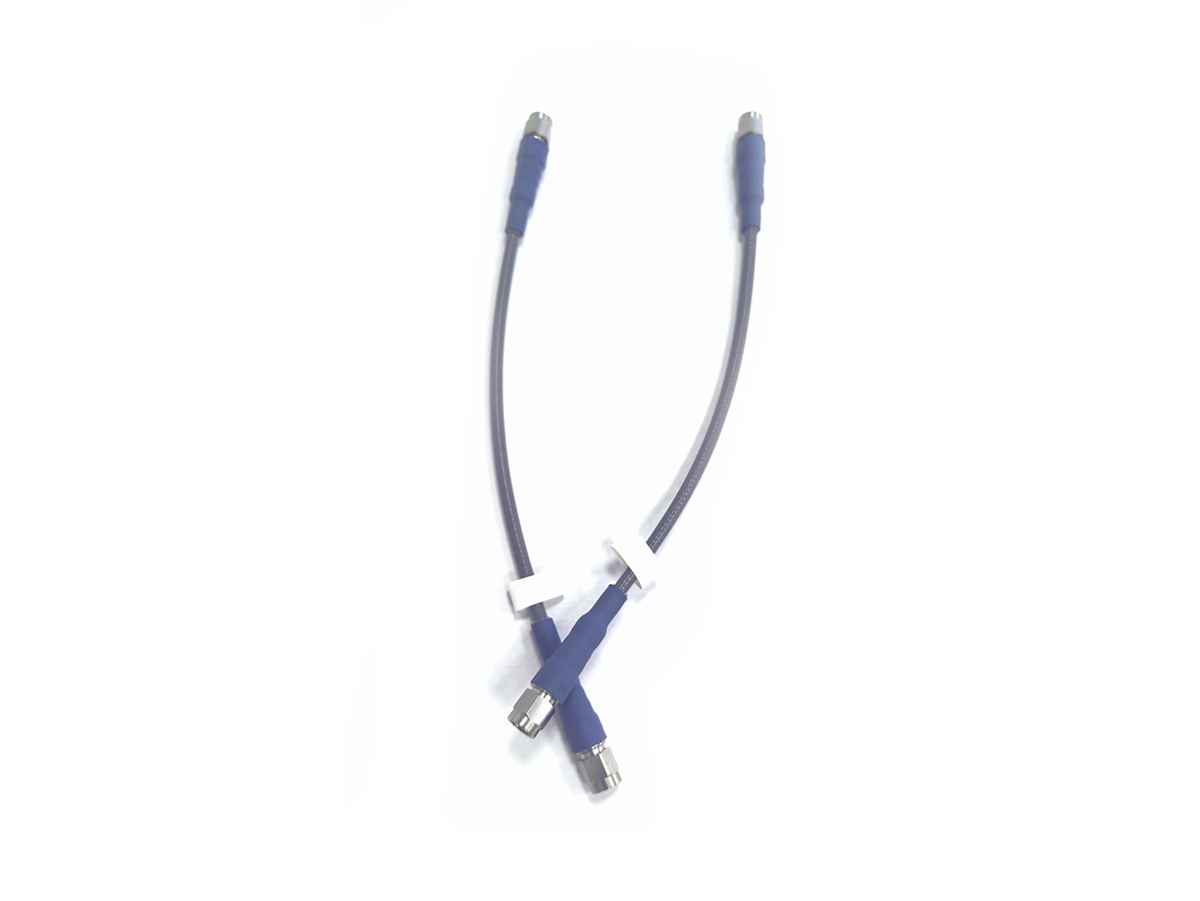
First things first, RG stands for Radio Guide. The RG coaxial cable is a type of electrical cable that's specifically designed for transmitting radio frequency signals. It's a popular choice due to its durability and efficiency. But how does it work? Well, it consists of a central conductor, surrounded by insulation, a metallic shield, and an outer insulating layer. Sounds fancy, doesn't it?
Why It Matters
Now, you might be wondering, why should I care about this? Here's the scoop: the RG coaxial cable is a backbone for many communication technologies. Whether you're streaming your favorite shows, playing video games, or working from home, this cable is likely doing the heavy lifting. In fact, the quality of your internet connection can often be traced back to the type of coaxial cable you're using. Who knew, right?
Types of RG Coaxial Cables
There's more than one flavor of RG coaxial cable, and knowing the differences can save you from a tech headache. Here are some common types:
- RG-6: This is the most commonly used type for residential installations. It's thicker than older types like RG-59, which means it can carry more data over longer distances.
- RG-59: Typically used for lower frequency applications, such as connecting CCTV cameras. While it's cheaper, it's not as reliable for high-speed internet.
- RG-11: This heavy-duty cable is used for long-distance runs. It's thicker, which means it can transmit signals further without losing quality. Great for outdoor setups!
Installation Tips
Alright, let's say you're convinced and ready to install your RG coaxial cable. Here are a few tips to ensure you don't end up in a tangled mess:
- Measure Twice, Cut Once: Always measure your distances before cutting. Trust me, you'll thank yourself later!
- Keep It Straight: Avoid kinks and sharp bends. The straighter the run, the better the signal.
- Secure Connections: Make sure all connections are tight. Loose connections can lead to signal loss, and nobody wants that!
Future of RG Coaxial Cable
As technology marches on, you might be wondering if the RG coaxial cable will become obsolete. While fiber optics are all the rage, coaxial cables still have a solid place in the tech ecosystem—especially for those who want reliable, cost-effective solutions.
Final Thoughts
So there you have it! The RG coaxial cable might not be the star of the show, but it's certainly a key player in the world of connectivity. Whether you're upgrading your home network or just curious about how your signals travel, understanding this little marvel can go a long way. Now, go ahead and impress your friends with your newfound knowledge!


Do you have Questions?
Not sure what you're looking for? Unable to find what you need?