

Why Choose Precision Differential Pair Cable for Your Wiring Needs?
Release Date:2025-07-24


Why Choose Precision Differential Pair Cable for Your Wiring Needs?
Table of Contents
- Introduction to Precision Differential Pair Cables
- Understanding Differential Pair Technology
- Key Advantages of Using Precision Differential Pair Cables
- Superior Signal Integrity
- Reduced Electromagnetic Interference
- Enhanced Data Transmission Rates
- Long-distance Transmission Capabilities
- Applications of Precision Differential Pair Cables
- Factors to Consider When Choosing Cables
- Installation Tips for Optimal Performance
- Frequently Asked Questions
- Conclusion
Introduction to Precision Differential Pair Cables
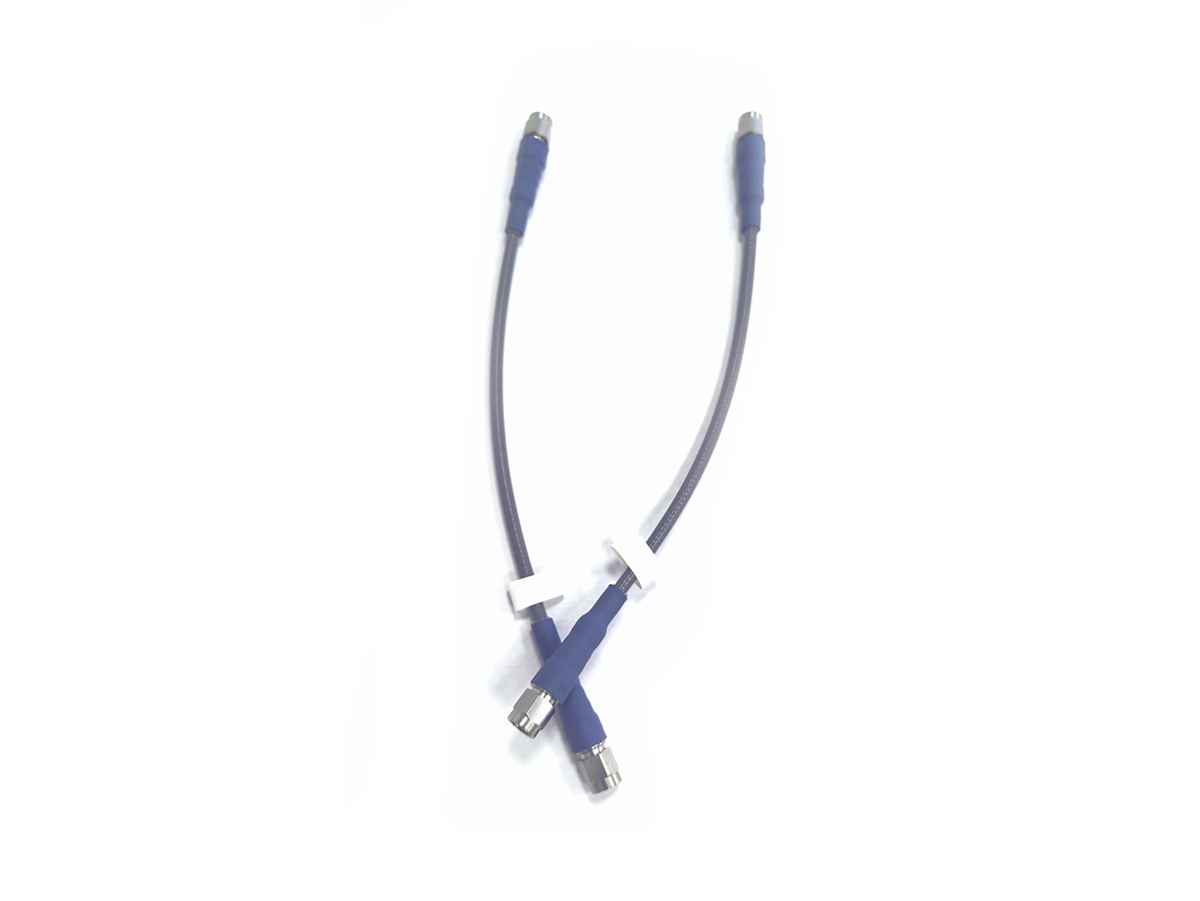
Precision differential pair cables are integral components in modern wiring systems, designed specifically to provide reliable electrical connections while minimizing interference and signal degradation. These cables consist of two conductors that carry complementary signals, allowing for enhanced performance in high-frequency applications. As technology advances, the demand for efficient and high-performance wiring solutions continues to grow, making precision differential pair cables an essential choice for various industries.
Understanding Differential Pair Technology
Differential pair technology involves the use of two wires that transmit equal and opposite signals. This configuration helps to cancel out noise and interference that may be picked up from external sources. By closely twisting the two wires together, the cable achieves electromagnetic compatibility and ensures that the signals remain intact over long distances. This technology is crucial in applications where signal integrity is paramount, such as telecommunications and data transmission.
Key Advantages of Using Precision Differential Pair Cables
Superior Signal Integrity
One of the primary benefits of precision differential pair cables is their ability to maintain **superior signal integrity**. The twisted pair design minimizes crosstalk and noise, ensuring that the signal remains clear and consistent. This feature is particularly important in environments where multiple devices operate simultaneously, as it allows for reliable communication without degradation.
Reduced Electromagnetic Interference
Precision differential pair cables excel in reducing **electromagnetic interference (EMI)**. By transmitting signals differentially, these cables can effectively negate the effects of external electromagnetic fields. This makes them ideal for use in industrial settings, where machinery and electronic devices can generate significant interference.
Enhanced Data Transmission Rates
With the increasing demand for high-speed data transmission, precision differential pair cables offer **enhanced data transmission rates**. The design allows for higher bandwidth, making it suitable for applications that require rapid data exchange, such as video streaming and large-scale data transfers.
Long-distance Transmission Capabilities
Another significant advantage is the **long-distance transmission capabilities** of precision differential pair cables. Unlike traditional cables that may experience signal loss over extended distances, these cables maintain integrity even when transmitting signals over several hundred meters.
Applications of Precision Differential Pair Cables
The versatility of precision differential pair cables makes them suitable for a wide range of applications:
Telecommunications
In the telecommunications sector, precision differential pair cables are commonly used for data transmission between network devices. Their ability to maintain signal integrity over long distances makes them essential for connecting remote sites and ensuring seamless communication.
Data Centers
Data centers rely heavily on precision differential pair cables for interconnecting servers and storage devices. The high bandwidth and low interference characteristics ensure efficient data flow, which is crucial for maintaining optimal performance in cloud computing and big data applications.
Industrial Automation
In industrial automation, precision differential pair cables are used to connect sensors, actuators, and control systems. Their robustness and resistance to EMI make them ideal for harsh environments, where reliability is a key concern.
Factors to Consider When Choosing Cables
When selecting precision differential pair cables for your wiring needs, several factors must be taken into account:
Cable Construction and Materials
The construction and materials used in the cable play a crucial role in determining its performance. Look for cables with high-quality insulation and shielding to enhance durability and reduce interference. Copper conductors are commonly preferred for their excellent conductivity.
Environmental Conditions
Consider the environmental conditions where the cables will be installed. Cables designed for outdoor use may require additional weatherproofing and UV resistance, while those for indoor use may prioritize flexibility and ease of installation.
Installation Tips for Optimal Performance
To ensure that precision differential pair cables perform at their best, follow these installation tips:
1. **Avoid Sharp Bends**: Ensure that cables are not bent sharply, as this can affect performance. Maintain a gentle curve during installation.
2. **Use Proper Connectors**: Utilize connectors specifically designed for differential pair cables, as they help maintain signal integrity.
3. **Keep Cables Away from Sources of EMI**: Position the cables away from heavy machinery or other sources of electromagnetic interference to prevent signal degradation.
Frequently Asked Questions
1. What is the difference between differential pair cables and standard cables?
Differential pair cables transmit signals using two conductors with opposite polarities, allowing for better noise cancellation, while standard cables typically use a single conductor.
2. Can precision differential pair cables be used for video transmission?
Yes, precision differential pair cables are suitable for video transmission due to their high bandwidth and low interference characteristics.
3. How do I choose the right differential pair cable for my application?
Consider factors such as the required data rates, environmental conditions, and specific application needs when selecting the right differential pair cable.
4. Are precision differential pair cables more expensive than standard cables?
While precision differential pair cables may have a higher upfront cost, their performance advantages often lead to long-term cost savings due to reduced maintenance and improved reliability.
5. How do I ensure proper installation of differential pair cables?
Follow manufacturer guidelines, avoid sharp bends, use appropriate connectors, and ensure cables are installed away from potential sources of interference.
Conclusion
In summary, precision differential pair cables represent a superior wiring solution for a variety of applications, offering exceptional signal integrity, reduced electromagnetic interference, and enhanced data transmission rates. Their ability to function effectively over long distances makes them an invaluable asset in industries such as telecommunications, data centers, and industrial automation. By considering factors such as cable construction and installation practices, you can maximize the performance of your wiring system. Choosing precision differential pair cables is an investment in reliability and efficiency that will pay off in the long run.


Do you have Questions?
Not sure what you're looking for? Unable to find what you need?