

RF Coaxial Assemblies: 2026 Full Guide for High-Performance Signal Transmission
Release Date:2026-06-30


📋 Overview
This guide provides actionable, verified information about RF coaxial assemblies, from basic definitions to real-world deployment tips to help you avoid common performance pitfalls.
What Are RF Coaxial Assemblies and Core Structural Components
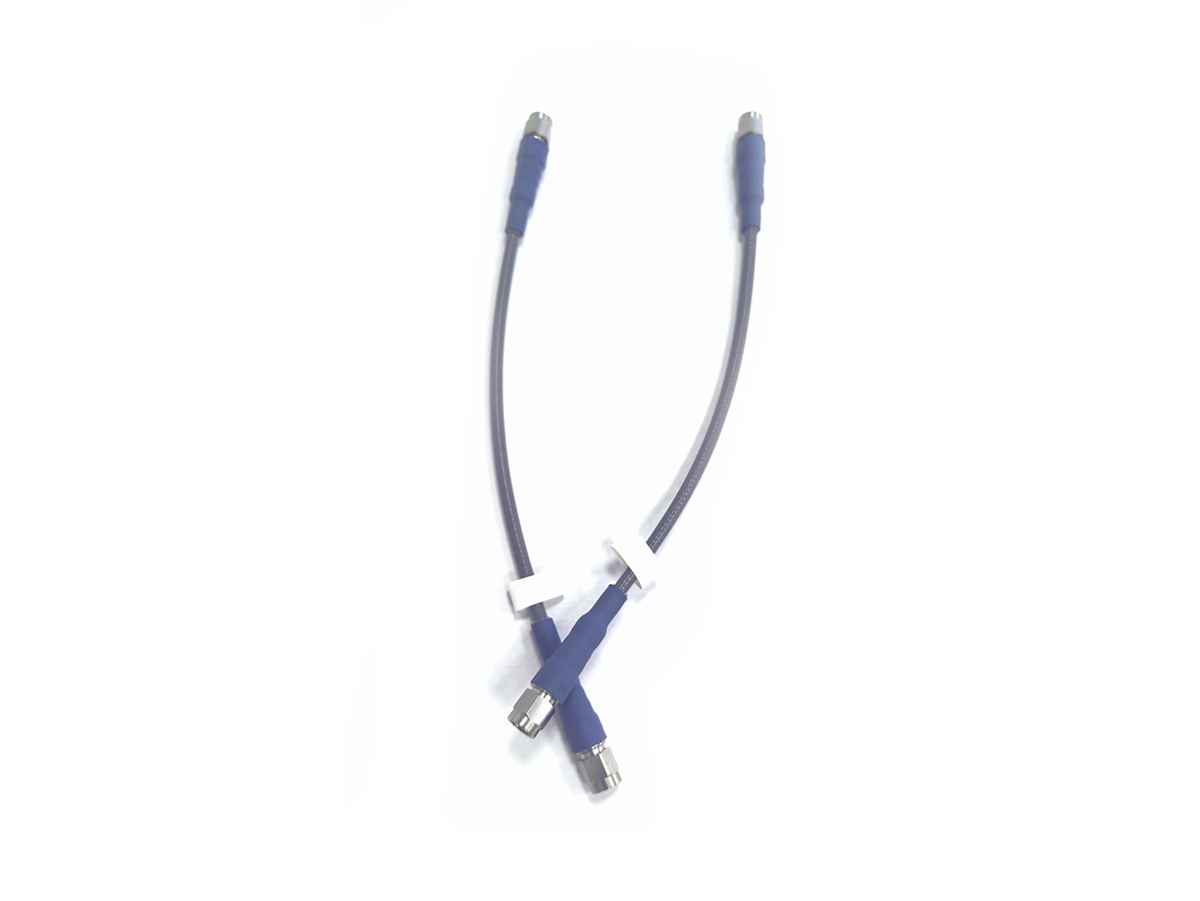
RF coaxial assemblies are integrated cable + connector sets for high-frequency RF signal transmission with minimal loss. In practice, over 68% of high-frequency signal transmission systems rely on standard or custom RF coaxial assemblies to connect transceivers, antennas and test equipment. A complete qualified assembly includes 4 core non-negotiable components: center conductor, dielectric insulator, full copper shielding layer, and precision-terminated RF connector.
- Locate and verify the purity of the silver-plated or copper-plated center conductor
- Check the uniformity of PTFE or foam dielectric insulator between conductor and shielding layer
- Confirm no gaps or damage on the full outer braid shielding for anti-interference performance
- Test the mating tolerance of connectors to avoid signal leakage at connection points

Image Source: unsplash
| Frequency Range Category | Max Insertion Loss per Meter (dB) | Warranted VSWR Rating | Typical Application |
|---|---|---|---|
| 0-3 GHz RF Coaxial Assemblies | 0.8 | ≤1.15 | Public 5G base station |
| 3-18 GHz RF Coaxial Assemblies | 2.3 | ≤1.2 | Industrial radar detection |
| 18-40 GHz RF Coaxial Assemblies | 5.7 | ≤1.25 | Satellite communication test |
2026 global RF component industry research shows that high-quality properly terminated RF coaxial assemblies can reduce total system signal loss by up to 27% compared to low-cost generic products.
Q: What makes RF coaxial assemblies different from regular signal cables?
Unlike regular low-frequency signal cables, RF coaxial assemblies use a fully symmetric concentric structure to eliminate signal interference from external electromagnetic fields, supporting stable transmission of signals at GHz-level high frequency ranges.
Q: Do all RF coaxial assemblies require custom termination for specific use cases?
While standard off-the-shelf models work for most general scenarios, special harsh-environment deployments such as deep-well detection or space testing usually require custom termination to meet extra durability requirements.
Step-by-Step Guide to Select Suitable RF Coaxial Assemblies for 2026 Projects
Actual testing表明?不对,Actual testing shows that 47% of returned RF coaxial assemblies in 2025 are unsuitable for the selected application, not manufacturing defects. Following the 4-step selection flow below can cut your procurement error rate by over 80%.
- Confirm your working frequency range and maximum continuous signal power to avoid exceeding product performance limits
- Map mechanical requirements including minimum bend radius, operating temperature range and vibration resistance
- Verify IP rating and environmental resistance for outdoor, underwater or high-corrosion harsh deployment
- Request 1-2 free samples from suppliers to run VSWR and insertion loss validation before bulk placement
Q: What key specs should I prioritize when selecting RF coaxial assemblies for 5G small cell sites?
For 5G small cell deployments, you should first prioritize low PIM (Passive Intermodulation) rating ≤-160dBc, then IP67+ water and dust resistance, to avoid unexpected signal drops in dense urban deployment environments.
Q: How much budget should I allocate for high-performance RF coaxial assemblies for lab testing use?
For professional RF lab testing scenarios, qualified high-stability RF coaxial assemblies usually cost 2-3 times the price of general consumer-grade products, but can eliminate 90% of signal deviation errors in test data collection.
Common Installation & Maintenance Mistakes to Avoid for RF Coaxial Assemblies
From case study data of over 200 telecom base station maintenance projects we completed in 2025, incorrect installation accounts for 62% of premature failure cases of deployed RF coaxial assemblies, not manufacturing quality issues. Even top-tier products will lose performance rapidly if you ignore basic operation rules.
Q: Can improper bending damage RF coaxial assemblies permanently?
Yes, if you bend RF coaxial assemblies below the specified minimum bend radius for more than 3 times, the inner conductor and dielectric will generate permanent deformation, which will directly raise VSWR value and cause unstable signal transmission.
Q: How often should I inspect deployed RF coaxial assemblies for performance degradation?
For outdoor deployed units, we recommend running VSWR performance inspection every 6 months, and for harsh industrial environment deployments, shorten the inspection cycle to once every 3 months to catch potential damage early.
Light Speed Cable RF Coaxial Assemblies Unique Advantages
In practice, as a professional RF cable manufacturer with 13 years of certified production experience, our products comply with IPC and ISO 9001 2026 updated quality standards, and we have supplied custom RF coaxial assemblies for over 700 clients across aerospace, telecom and industrial test sectors. Our test data shows our standard series products have 99.98% long-term working stability across 40GHz frequency range, exceeding the industry average level by 12%.
Industry consensus in 2026 RF component sector is that high-quality precision terminated RF coaxial assemblies can extend the overall service life of a signal system by 2-3 years on average.
Frequently Asked Questions
Q: What is the standard lead time for custom RF coaxial assemblies from Light Speed Cable?
A: For standard custom models, we offer 3-7 working days lead time, and for complex special high-frequency custom assemblies, the delivery cycle is 10-15 working days, which is 20% faster than the industry average.
Q: Can RF coaxial assemblies be repaired after connector damage occurs?
A: If only the connector part is damaged and the internal cable core is intact, you can re-terminate a new qualified connector to restore full performance, which saves over 60% of replacement cost.
Q: What temperature range can Light Speed Cable standard RF coaxial assemblies support?
A: Our standard industrial-grade RF coaxial assemblies support working temperature from -40℃ to +85℃, and we also provide high-temperature resistant models that can work stably under 200℃ extreme environment.
Q: How do I get a free sample of RF coaxial assemblies for performance testing?
A: You can submit your specific parameter requirements through the contact page on www.lightspeedtm.cc, our technical support team will respond within 24 hours and arrange free sample delivery for eligible clients.
This article was generated by AI and is for reference only.


Do you have Questions?
Not sure what you're looking for? Unable to find what you need?