

Unlocking the Secrets of Low-Loss Phase-Stable Coaxial Cable
Release Date:2025-12-26


Introduction: The Unsung Hero of Connectivity
When it comes to high-frequency applications, one often overlooked yet vital component is the Low-Loss Phase-Stable Coaxial Cable. You might be wondering, "What's the big deal?" Well, let's dive into this fascinating topic and unravel the mysteries surrounding this essential cable.
What is a Low-Loss Phase-Stable Coaxial Cable?
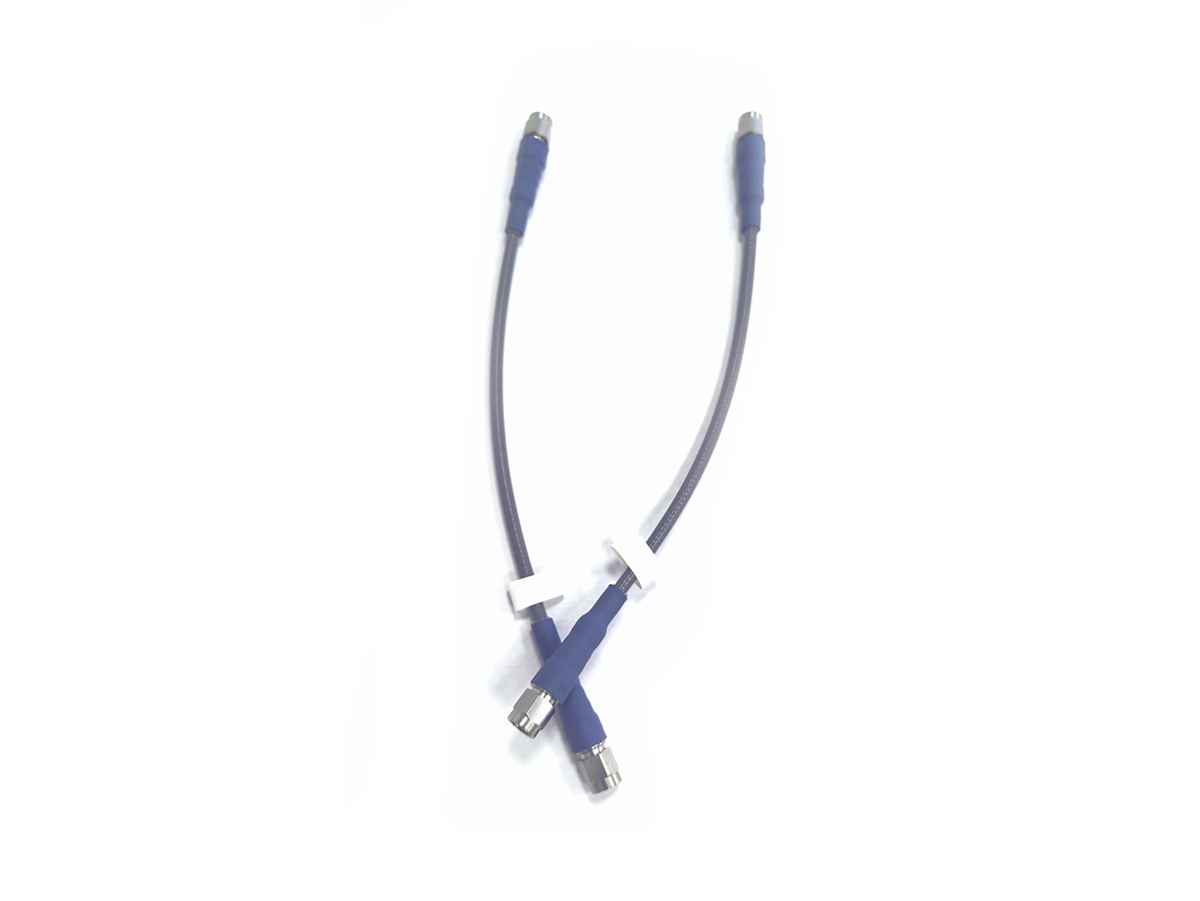
First things first: what exactly is this cable? In simple terms, a Low-Loss Phase-Stable Coaxial Cable is designed to minimize signal loss while maintaining phase integrity, making it perfect for applications where precision is key. Think of it as the unsung hero that keeps your signals crisp and clear, especially in environments where performance is paramount.
Why Does It Matter?
Now, you might be asking yourself, "Why should I care about low-loss cables?" Well, in the world of telecommunications and broadcasting, every decibel counts. A low-loss cable can significantly enhance the performance of your system, reducing the chances of signal degradation and phase shifts. This is particularly crucial in fiber optics, microwave transmissions, and satellite communications.
The Technical Side: How It Works
Let's get a bit technical, shall we? The Low-Loss Phase-Stable Coaxial Cable is engineered with materials that have low dielectric loss, which means less energy is wasted as heat. Additionally, its construction ensures that the cable maintains a consistent impedance, reducing reflections and ensuring a steady signal flow. This stability is achieved through carefully designed geometries and materials, so you can enjoy a seamless connection.
Applications Galore!
From military communications to the world of broadcast media, the applications for this type of cable are vast. It's commonly used in:
- RF (Radio Frequency) applications
- Television broadcasting
- Aerospace and defense
- Telecommunications
Each of these fields demands high performance, and the Low-Loss Phase-Stable Coaxial Cable delivers just that!
A Quick Comparison: Low-Loss vs. Regular Coaxial Cables
To put it simply, regular coaxial cables might suffice for basic applications, but when precision is on the line, low-loss cables are the way to go. Regular cables can suffer from higher attenuation, leading to weaker signals, especially over long distances. With a Low-Loss Phase-Stable Coaxial Cable, you gain reliability and enhanced performance. It's a no-brainer!
The Future of Connectivity
As technologies evolve, so do the demands for better, faster, and more reliable connections. The Low-Loss Phase-Stable Coaxial Cable will continue to play a pivotal role in the expansion of 5G networks, satellite communications, and beyond. Its unique properties make it indispensable in achieving high fidelity and low latency, which are crucial for modern applications.
A Word of Caution
While investing in a Low-Loss Phase-Stable Coaxial Cable can be beneficial, it's essential to ensure that you're choosing the right one for your specific needs. Not all cables are created equal, and compatibility with your existing systems is crucial. So, take a moment to do your homework!
Conclusion: The Bottom Line
In the grand tapestry of technology, the Low-Loss Phase-Stable Coaxial Cable is a thread that ties everything together. Its ability to provide stable, clear signals is essential for a world that increasingly relies on efficient communication. So next time you're setting up a system, remember the importance of these cables—they might just be the unsung heroes of your tech setup!


Do you have Questions?
Not sure what you're looking for? Unable to find what you need?