

Diving Deep into RF Coaxial Assemblies: What You Need to Know
Release Date:2025-09-18


Understanding RF Coaxial Assemblies
Hey there, tech enthusiasts! If you've ever found yourself scratching your head over RF coaxial assemblies, you're not alone. These nifty components play a pivotal role in the world of radio frequency communications, and we're here to break it down for you. So, let's dive in!
What Are RF Coaxial Assemblies?
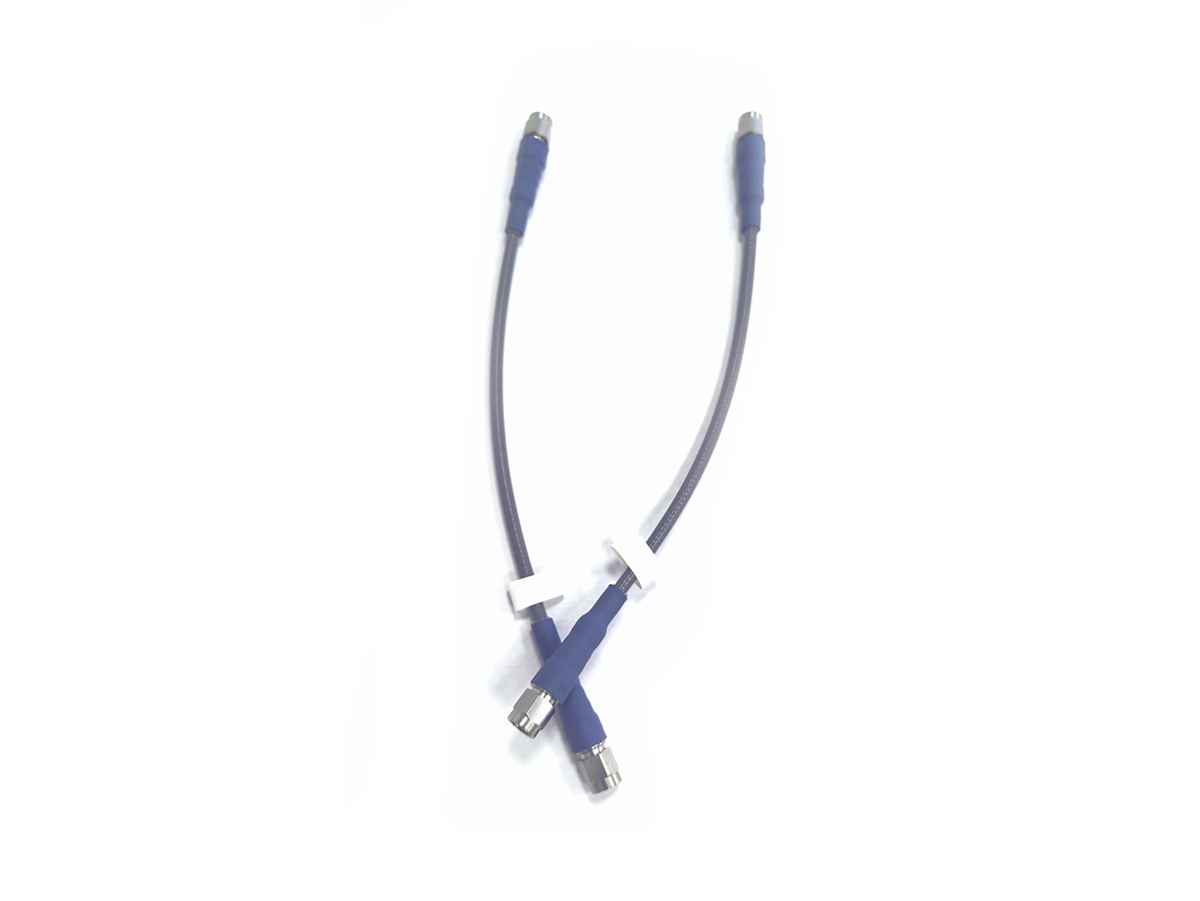
In simple terms, RF coaxial assemblies are cables designed to transport radio frequency signals. Think of them as the highways for your data. They consist of an inner conductor, insulating material, a shield, and an outer layer. All these elements work together to minimize signal loss and interference. Pretty slick, right?
Why They Matter
Without RF coaxial assemblies, communication systems would be, well, a mess! These assemblies are crucial in various applications, from telecommunications to broadcasting. They ensure that signals travel efficiently and reliably, making them indispensable in high-tech environments.
Applications Galore!
When we talk about RF coaxial assemblies, the applications are nearly endless. Here are a few key areas where they shine:
- Telecommunications: They help in connecting cell towers and base stations.
- Broadcasting: Used in radio and television transmission.
- Aerospace: Crucial for radar and satellite communication.
- Medical: Employed in imaging systems and diagnostic equipment.
The Anatomy of RF Coaxial Assemblies
Now that we know their importance, let's peek under the hood. The structure of RF coaxial assemblies is fascinating:
- Inner Conductor: Usually made of copper or aluminum, it carries the RF signal.
- Dielectric Insulation: This layer prevents signal loss by keeping the inner conductor isolated.
- Outer Conductor: Typically a braided or solid metal, it serves as a shield against external interference.
- Outer Jacket: The protective outer layer that keeps everything safe from physical damage.
Choosing the Right Assembly
Okay, so you're ready to dive into the world of RF coaxial assemblies. But how do you choose the right one? Here are some tips:
- Frequency Range: Make sure the assembly can handle the frequencies you need.
- Impedance: Match the impedance to your system to avoid signal loss.
- Length: Consider the distance your signals need to travel.
- Environment: Select assemblies that can withstand environmental factors like moisture and temperature.
The Future of RF Coaxial Assemblies
As technology continues to evolve, so will RF coaxial assemblies. With the rise of 5G and the Internet of Things (IoT), the demand for high-quality, reliable signal transmission is more crucial than ever. Manufacturers are now focusing on creating assemblies that are not only efficient but also lightweight and durable.
Wrapping It Up
So, there you have it! RF coaxial assemblies might not be the flashiest topic, but they are undeniably vital to our modern world. Whether you're a seasoned engineer or a curious beginner, understanding these components can open up new avenues in technology. Until next time, keep exploring and stay curious!


Do you have Questions?
Not sure what you're looking for? Unable to find what you need?