

Unraveling the Mysteries of Low-Loss Phase-Stable Coaxial Cable
Release Date:2025-12-30


Introduction to Low-Loss Phase-Stable Coaxial Cables
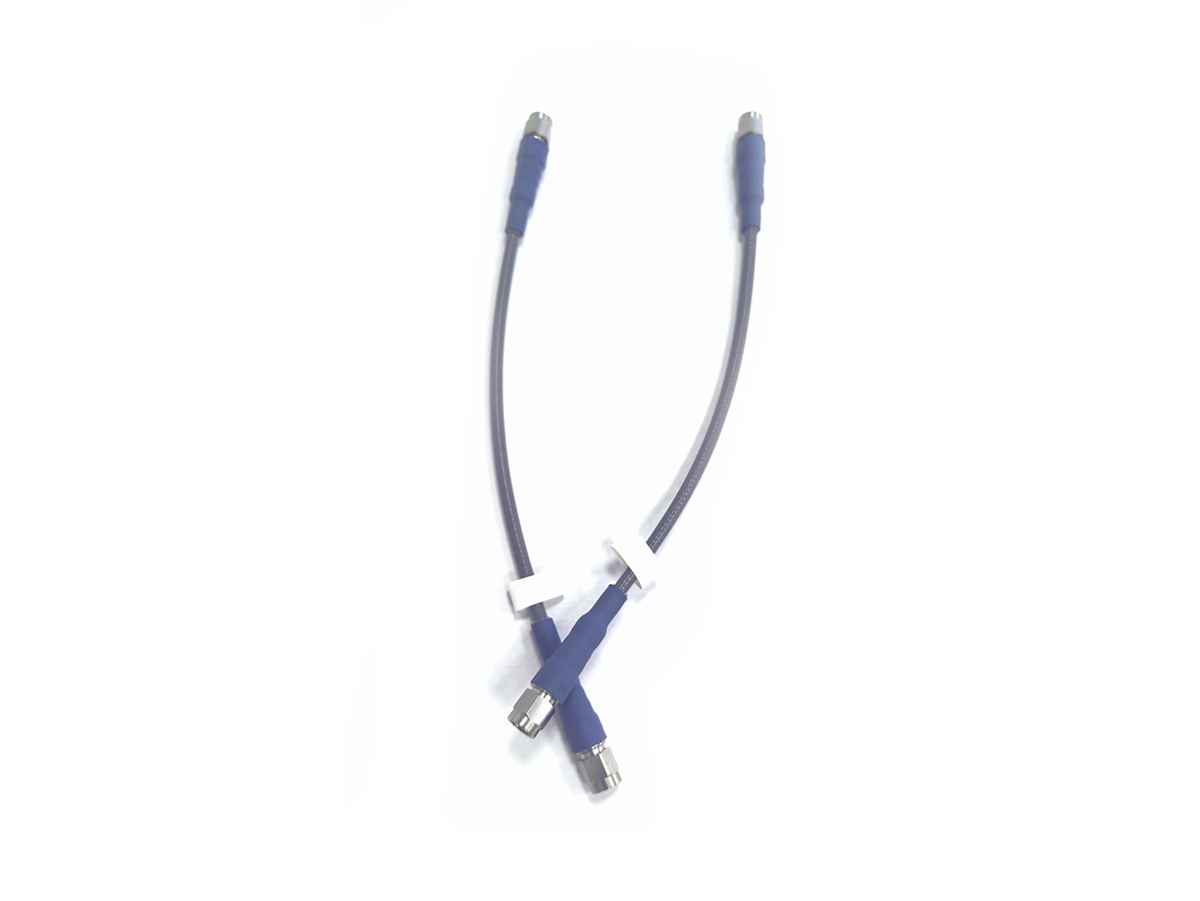
When it comes to high-frequency applications, the term Low-Loss Phase-Stable Coaxial Cable pops up quite frequently. But what exactly does it mean? Well, hold onto your hats, folks, because we're diving deep into this fascinating topic!
What Makes Low-Loss Phase-Stable Coaxial Cables Unique?
At the heart of it, these cables are designed to minimize signal loss and maintain consistent phase characteristics. That's a fancy way of saying they ensure your signals stay strong and reliable, even over long distances. Imagine trying to have a conversation from across a football field; without a good connection, your words might get jumbled or lost entirely. A low-loss cable ensures clarity and stability.
Common Questions About Low-Loss Phase-Stable Coaxial Cables
1. Why Use Low-Loss Phase-Stable Coaxial Cable?
Great question! These cables are essential in telecommunications, broadcasting, and even in medical equipment. They help maintain the integrity of the signal, which is paramount for effective communication. Plus, who doesn't want to avoid that annoying buzzing sound in their audio equipment?
2. How Do They Work?
These cables use a specific design that minimizes dielectric losses and ensures phase stability. The materials used—often a combination of copper and specific insulating materials—help maintain the cable's performance across a range of frequencies. It's all about reducing interference and keeping that signal clean!
3. Are They Worth the Investment?
In many cases, absolutely! While they may cost a bit more upfront compared to standard coaxial cables, the long-term benefits—like fewer repairs and better performance—can make them worth every penny. Think of it like investing in a good pair of shoes; the initial cost might sting, but your feet will thank you later!
Applications of Low-Loss Phase-Stable Coaxial Cables
These cables aren't just for show; they have a wide array of applications! From high-speed internet connections to satellite communications, their versatility is impressive. They're also popular in RF (radio frequency) applications, which is where their performance really shines.
Tips for Choosing the Right Low-Loss Phase-Stable Coaxial Cable
Alright, so you're convinced you want one of these cables—now what? Here are a few tips:
- Length Matters: The longer the cable, the more loss you might experience, so choose wisely.
- Connector Quality: Don't skimp on connectors; they can make or break your setup.
- Frequency Range: Ensure the cable is designed for the frequency range of your application.
Final Thoughts
So there you have it—a brief dive into the world of Low-Loss Phase-Stable Coaxial Cables! With their ability to maintain signal integrity and reduce interference, they are a game-changer for many industries. Whether you're upgrading your home audio system or setting up a professional broadcasting station, understanding these cables can make all the difference.
Remember, when it comes to cables, quality matters. Investing in a good Low-Loss Phase-Stable Coaxial Cable can save you headaches down the road. Happy wiring!


Do you have Questions?
Not sure what you're looking for? Unable to find what you need?