

Unlocking the Secrets of Low-Loss Phase-Stable Coaxial Cable: A Deep Dive
Release Date:2025-12-29


Understanding the Basics
Alright, folks! Let's kick things off by diving into the nitty-gritty of what a Low-Loss Phase-Stable Coaxial Cable actually is. Simply put, this type of cable is engineered to minimize signal loss and maintain the integrity of the signal phase over long distances. Think of it as the unsung hero in the world of telecommunications that ensures your Netflix binge-watching is uninterrupted and crystal clear!
Why Is Phase Stability Important?
Now, you might be wondering, why the fuss about phase stability? Well, my friend, phase stability is crucial for applications that depend on precise timing and synchronization. Imagine a symphony where every musician needs to be in perfect harmony; if one instrument is out of phase, the whole performance can go south. The same principle applies to data transmission!
The Anatomy of Coaxial Cable
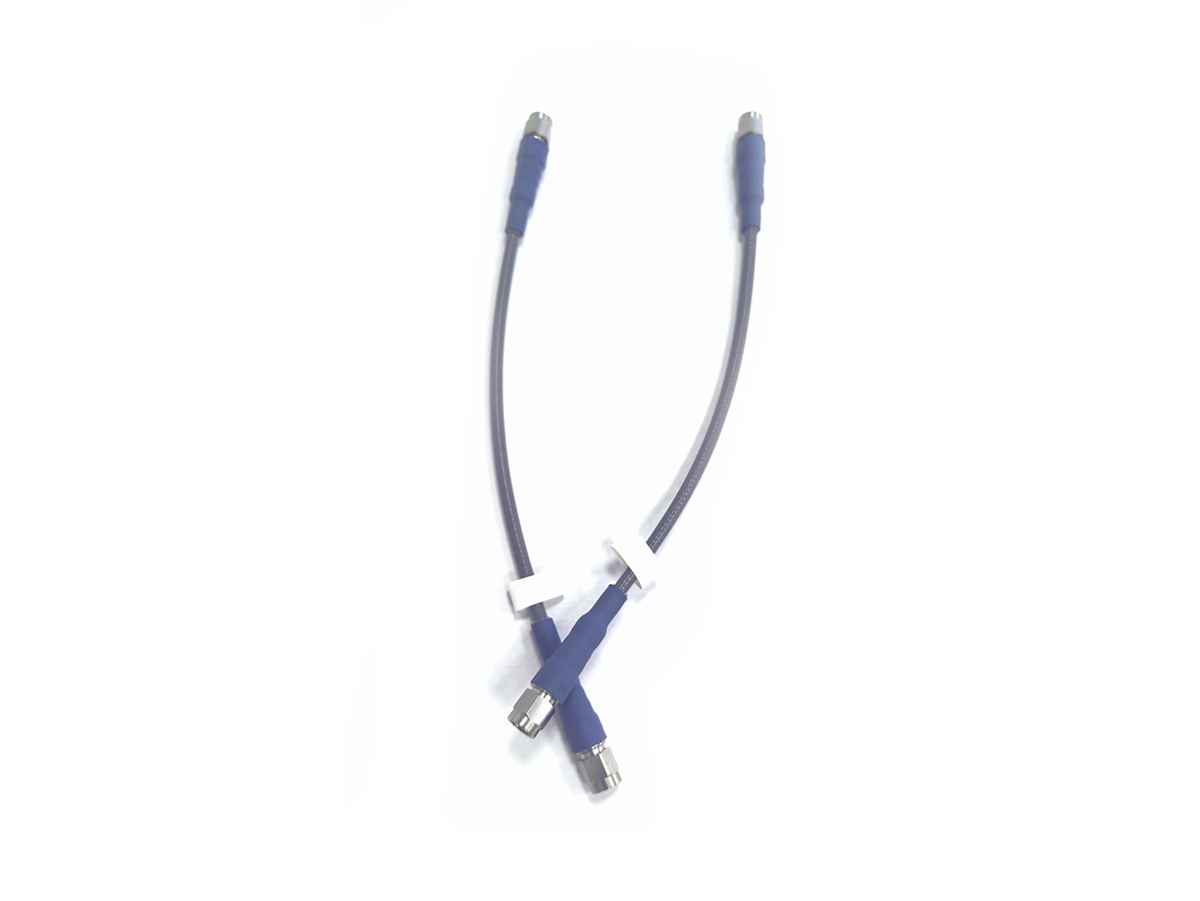
Let's peel back the layers, shall we? A Low-Loss Phase-Stable Coaxial Cable consists of a central conductor, an insulating layer, a metallic shield, and an outer jacket. Each component plays a vital role in ensuring that the signal travels efficiently. The central conductor is where the magic happens, transmitting the electrical signals, while the insulation keeps those signals safe from interference.
How Does It Work?
Okay, here comes the fun part! The working principle revolves around electromagnetic waves. When an electrical signal travels through the central conductor, it generates electromagnetic waves. Here's the kicker: the quality and construction of a Low-Loss Phase-Stable Coaxial Cable ensure that these waves maintain their speed and integrity.
Material Matters
Let's talk materials! High-quality conductors, like copper or silver, are often used for the central conductor to reduce resistance. Additionally, the insulation material plays a massive role in maintaining phase stability. PTFE (polytetrafluoroethylene) is a popular choice because of its low loss characteristics. It's like the secret sauce that keeps everything running smoothly!
Applications Galore
So, where does this amazing piece of technology find its home? From broadcasting and telecommunications to radar and medical devices, the applications are vast. For example, in the realm of 5G, low-loss cables are essential for maintaining signal quality across networks. It's like ensuring that every call you make is as clear as day!
Challenges and Solutions
Of course, no technology is without its challenges. Environmental factors can affect performance, especially in extreme temperatures. However, manufacturers are constantly innovating, creating cables that can withstand harsh conditions without compromising performance. Talk about resilience!
Looking Toward the Future
As we step into a future driven by technology, the demand for high-quality signal transmission will only increase. The Low-Loss Phase-Stable Coaxial Cable is here to stay, evolving alongside advancements in telecommunications and data transfer. Who knows? We might even see them becoming a staple in everyday gadgets!
Final Thoughts
In conclusion, the Low-Loss Phase-Stable Coaxial Cable is more than just a fancy term; it's a critical component that keeps our world connected. So next time you enjoy a smooth streaming experience or have a crystal-clear conversation on your smartphone, remember the unsung hero working tirelessly behind the scenes! Cheers to technology!


Do you have Questions?
Not sure what you're looking for? Unable to find what you need?