

Exploring Aerospace High Speed Data Cables: A Game Changer in Aviation Tech
Release Date:2026-01-16


Image Source: unsplash
Introduction to Aerospace High Speed Data Cables
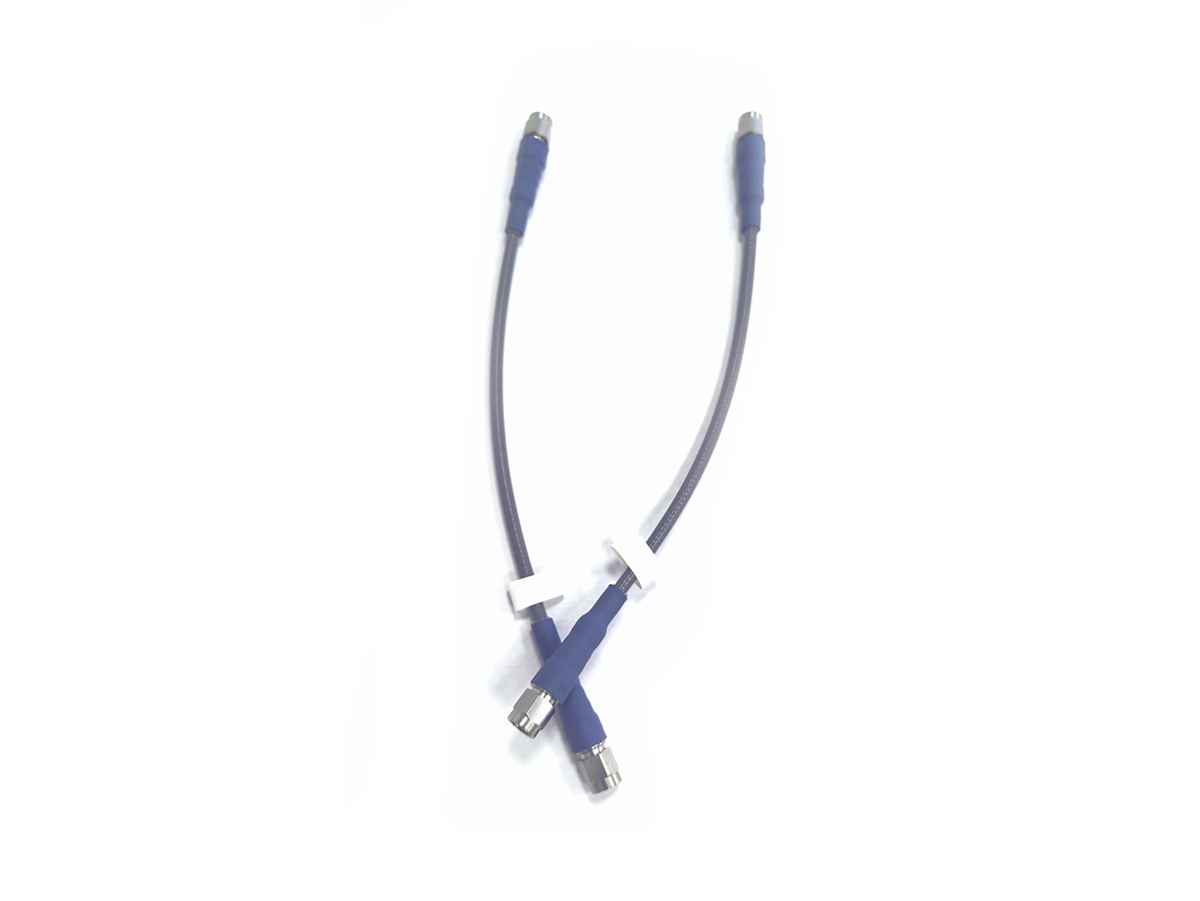
In the fast-paced world of aviation, where every second counts, the significance of reliable data transmission cannot be overstated. Enter Aerospace High Speed Data Cables, the unsung heroes that ensure seamless communication and functionality in aircraft systems. These cables are not just wires; they are lifelines that connect essential avionics, ensuring everything from navigation to safety systems operates without a hitch.
What Makes Them Special?
So, what sets these cables apart from your everyday data cables? Well, the answer lies in their design and engineering. Aerospace High Speed Data Cables are crafted to withstand extreme conditions. Think about it: they face high altitudes, fluctuating temperatures, and even electromagnetic interference. This is where the magic happens! These cables are built to last, ensuring that data flows smoothly no matter the circumstances.
Key Features
- Durability: Made from materials that resist wear and tear, these cables can handle the rigors of flight.
- Speed: As the name suggests, they boast high-speed data transmission, critical for real-time communication.
- Lightweight: Engineers prioritize weight reduction in aviation; these cables provide performance without the bulk.
- Flexibility: They can be easily routed and adapted within tight spaces, essential for modern aircraft designs.
Applications in Aviation
From commercial airliners to military jets, the applications of Aerospace High Speed Data Cables are vast. In commercial aviation, these cables play a vital role in managing in-flight entertainment systems, navigation aids, and communication systems. On the flip side, military aircraft utilize these cables for mission-critical operations, where reliability is non-negotiable.
Impact on Safety
When it comes to safety, there's no room for compromise. Aerospace High Speed Data Cables contribute to enhanced safety protocols by ensuring that critical systems communicate effectively. For instance, data from sensors must reach the cockpit instantly, and these cables facilitate that swift transmission, reducing response times in emergencies.
The Future of Data Transmission in Aviation
As technology continues to evolve, the demand for faster, more efficient data transmission in aviation will only increase. With the rise of smart aircraft and autonomous systems, the role of Aerospace High Speed Data Cables will become even more pivotal. Innovations in materials and engineering will lead to even more advanced solutions, pushing the boundaries of what these cables can achieve.
Conclusion
In conclusion, Aerospace High Speed Data Cables are more than just a technical necessity; they are a cornerstone of modern aviation technology. With their robust features and critical applications, they ensure that aircraft operate safely and efficiently in the skies. As we look toward the future, it's clear that these cables will continue to play a vital role in the evolution of aviation technology, keeping the industry soaring to new heights!


Do you have Questions?
Not sure what you're looking for? Unable to find what you need?