

Speed Meets Precision: The World of Aerospace High Speed Data Cables
Release Date:2026-01-17


Image Source: unsplash
The Evolution of Data Transmission in Aerospace
In the ever-evolving realm of aerospace technology, the need for swift and reliable data transmission has never been more critical. Enter the world of Aerospace High Speed Data Cables, where speed meets precision. These cables are not just wires; they are the very lifelines of communication in aircraft, satellites, and space exploration vehicles.
What Are Aerospace High Speed Data Cables?
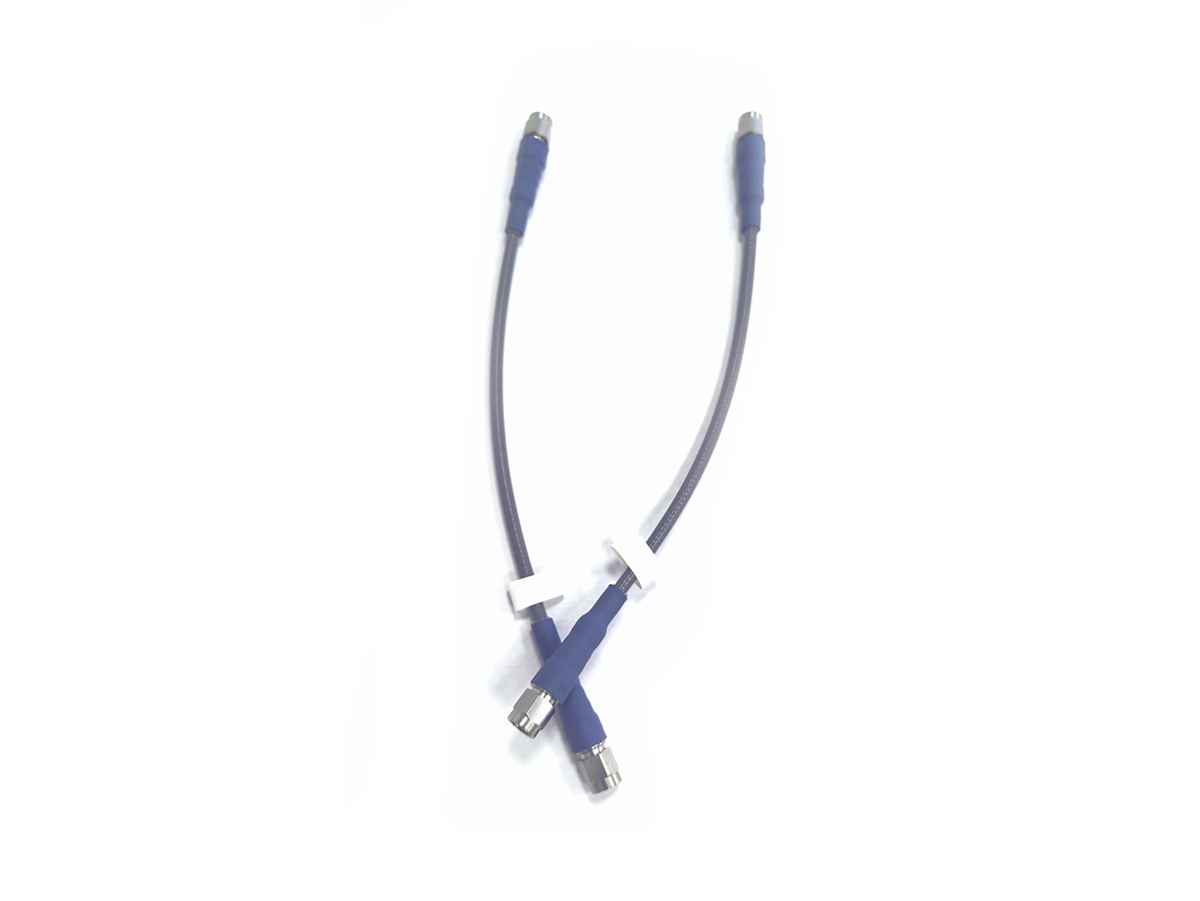
So, what exactly are these cables? To put it simply, they are specialized wires designed to handle high-bandwidth data transfer at rapid speeds, all while withstanding the unique challenges posed by the aerospace environment. Think about it: extreme temperatures, radiation, and pressure changes can wreak havoc on standard cables. That's where the aerospace variety shines, engineered to endure.
Why Are They Essential?
Picture this: an aircraft cruising at 30,000 feet. It relies on a network of sensors and systems to communicate vital data to the cockpit and ground control. If the data cables fail, well, let's just say that's a recipe for disaster. These cables ensure that everything from navigation to engine performance is transmitted flawlessly. In short, they are the unsung heroes of modern aviation.
Key Features of Aerospace High Speed Data Cables
- High Performance: Designed for rapid data transfer, these cables support high-frequency signals that keep communication lines open and efficient.
- Durability: Built to withstand harsh environmental conditions, they feature robust insulation and shielding against electromagnetic interference.
- Lightweight Design: Weight is a premium in aerospace; hence, these cables are designed to be lightweight without compromising strength.
Applications Across the Industry
The applications of aerospace high speed data cables are vast and varied. They are used in military aircraft for secure communications, in commercial jets for passenger entertainment systems, and in satellites for data collection and transmission. Each application demands a unique set of specifications, and these cables rise to the occasion with flying colors.
Challenges and Innovations
Of course, no industry is without its challenges. As technology advances, so does the need for even faster data transmission. The aerospace sector is constantly innovating, pushing the boundaries of what's possible. New materials, such as advanced composites and innovative shielding techniques, are being developed to enhance the performance of these cables.
Looking Ahead
The future of aerospace high speed data cables is bright. With the advent of technologies like 5G and beyond, the demand for faster and more reliable data communication will only grow. Engineers and designers are working diligently to create the next generation of cables that can keep pace with these advancements.
Conclusion
In summary, aerospace high speed data cables are crucial to the success of modern aviation and space exploration. They ensure that data flows seamlessly, enhancing safety and efficiency in the skies. As technology continues to evolve, these cables will undoubtedly adapt, proving that in the world of aerospace, speed and reliability are the names of the game.


Do you have Questions?
Not sure what you're looking for? Unable to find what you need?