

How EMI Resistant Cables are Revolutionizing the Aviation Industry
Release Date:2026-01-21


How EMI Resistant Cables are Revolutionizing the Aviation Industry
Table of Contents
- 1. Introduction to EMI and its Challenges in Aviation
- 2. What are EMI Resistant Cables?
- 3. The Importance of EMI Resistant Cables in Aviation
- 4. Applications of EMI Resistant Cables in Aircraft Systems
- 5. Benefits of EMI Resistant Cables for Aviation
- 6. Case Studies and Success Stories
- 7. Future Trends in EMI Resistance Technology
- 8. Frequently Asked Questions (FAQs)
- 9. Conclusion
1. Introduction to EMI and its Challenges in Aviation
Electromagnetic interference (EMI) poses significant challenges in the aviation industry, affecting critical systems and components. As aircraft technology becomes increasingly sophisticated, the amount of electronic equipment onboard grows, amplifying the potential for EMI. This interference can lead to system malfunctions, which may compromise safety and efficiency. The aviation sector has recognized the pressing need for effective solutions to mitigate EMI effects, leading to the innovation of EMI resistant cables.
2. What are EMI Resistant Cables?
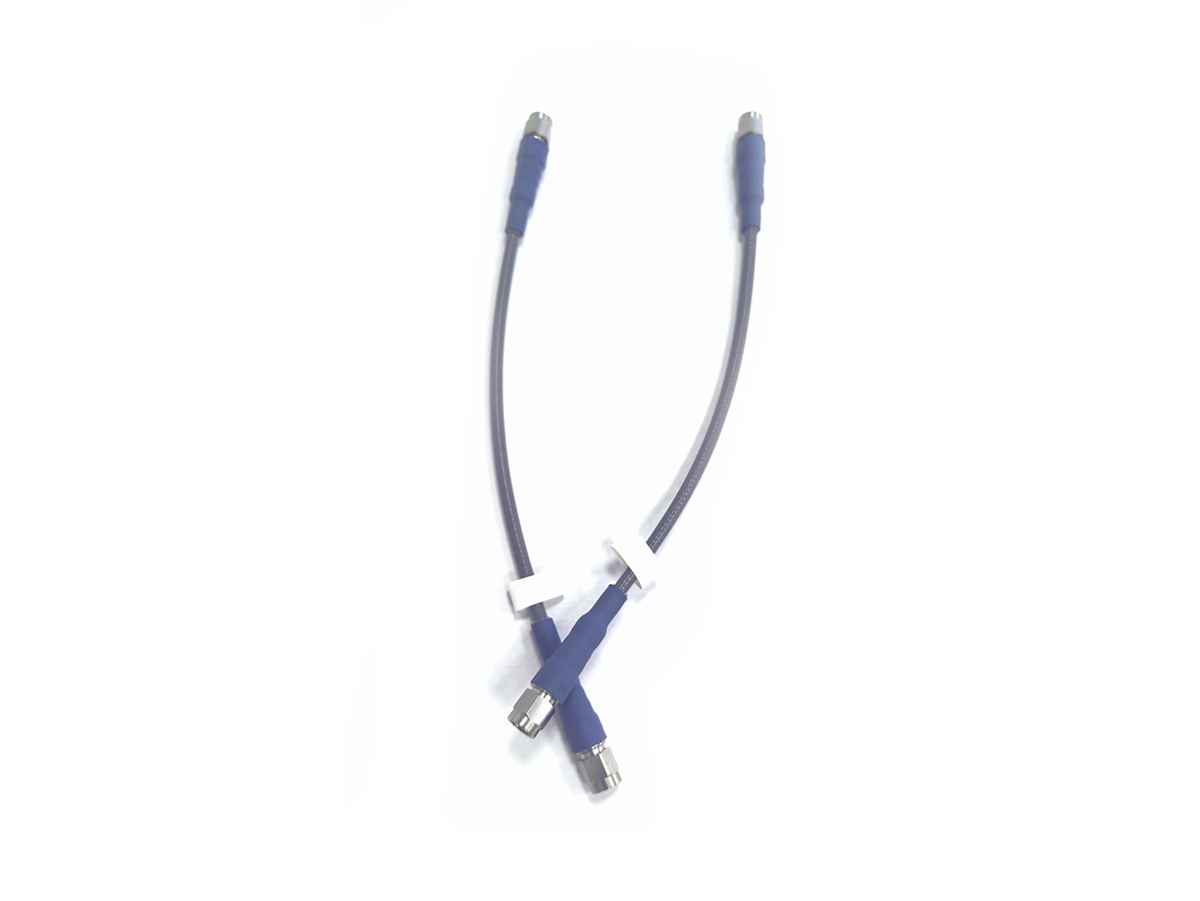
EMI resistant cables are specially designed to minimize the effects of electromagnetic interference. These cables incorporate shielding and insulation techniques that prevent the penetration of external electromagnetic signals. Typically, they feature a conductive layer that encases the inner conductors, providing an additional barrier against EMI. The materials used in these cables can include copper, aluminum, or specialized polymers, all chosen for their ability to reduce EMI impact.
3. The Importance of EMI Resistant Cables in Aviation
In the aviation industry, where safety, reliability, and performance are paramount, EMI resistant cables play a crucial role. They ensure that vital avionics, navigation, communication systems, and flight control functions operate without interference. By incorporating these cables, aircraft manufacturers and operators can enhance system integrity and reduce the risk of failure due to EMI.
4. Applications of EMI Resistant Cables in Aircraft Systems
EMI resistant cables find various applications in aircraft systems. Some of the primary areas include:
4.1. Avionics Systems
Avionics systems, which encompass communication, navigation, and monitoring equipment, are particularly susceptible to EMI. Using EMI resistant cables ensures that these systems function optimally, reducing the chances of communication failures or navigation errors.
4.2. Flight Control Systems
Flight control systems, which manage the aircraft's aerodynamic surfaces, require precise signals to operate effectively. EMI resistant cables are crucial in maintaining signal clarity, thereby enhancing flight safety and performance.
4.3. Power Distribution Systems
EMI can disrupt power distribution systems within an aircraft, leading to inconsistent power supply to essential components. EMI resistant cables provide stable power distribution, ensuring all systems receive the necessary energy without interference.
4.4. Cabin Communication Systems
In-flight communication systems depend on clear signals for passenger and crew interaction. The deployment of EMI resistant cables ensures reliable communication, enhancing the overall flight experience.
5. Benefits of EMI Resistant Cables for Aviation
The adoption of EMI resistant cables in the aviation industry offers numerous benefits:
5.1. Enhanced Safety
By minimizing the risk of EMI-related failures, these cables significantly enhance the safety of aircraft operations.
5.2. Improved System Reliability
EMI resistant cables contribute to the reliability of avionics and other critical systems, ensuring consistent performance under various conditions.
5.3. Increased Efficiency
With reduced interference, aircraft systems can operate more efficiently, leading to better fuel management and overall performance.
5.4. Longevity of Equipment
The protective features of EMI resistant cables help extend the lifespan of electronic components by reducing exposure to damaging interference.
5.5. Compliance with Regulatory Standards
Aviation authorities impose strict regulations regarding electromagnetic compatibility. Implementing EMI resistant cables helps manufacturers meet these standards more easily.
6. Case Studies and Success Stories
Several leading aviation manufacturers have successfully integrated EMI resistant cables into their aircraft designs, showcasing their significant benefits:
6.1. Case Study: Major Aircraft Manufacturer
A prominent aircraft manufacturer faced challenges with communication systems in their latest model. By switching to EMI resistant cables, they saw a marked improvement in signal clarity and reliability, ultimately resulting in enhanced safety ratings.
6.2. Success Story: Retrofit Solutions
A retrofit program for an existing fleet of aircraft involved replacing standard cables with EMI resistant options. The retrofit led to fewer maintenance issues and broader compliance with safety regulations.
7. Future Trends in EMI Resistance Technology
The future of EMI resistance technology looks promising, with continual advancements set to improve cable performance further. Innovations in materials and design will likely lead to even greater shielding effectiveness, enabling the aviation industry to keep pace with the growing complexity of onboard electronics.
7.1. Smart Cables
Emerging technologies may include smart cables that not only resist EMI but also monitor performance and provide real-time data on cable integrity.
7.2. Increased Use of Composite Materials
The incorporation of advanced composite materials can enhance the lightweight characteristics of EMI resistant cables, making them ideal for modern aircraft design.
7.3. Integration with IoT
As the Internet of Things (IoT) becomes more prevalent in aviation, EMI resistant cables will play a critical role in ensuring secure and reliable connectivity between various onboard systems.
8. Frequently Asked Questions (FAQs)
8.1. What is EMI?
EMI, or electromagnetic interference, refers to the disruption of electronic signals caused by external electromagnetic fields. This interference can lead to system malfunctions, particularly in sensitive electronic equipment.
8.2. How do EMI resistant cables work?
EMI resistant cables employ shielding and insulation techniques to protect against external interference. The shielding layer, typically made of conductive material, acts as a barrier that prevents EMI from affecting the inner conductors.
8.3. Are EMI resistant cables more expensive?
While EMI resistant cables may have a higher upfront cost compared to standard cables, their long-term benefits, including enhanced safety and reduced maintenance costs, often make them a more economical choice.
8.4. Can EMI resistant cables be used in other industries?
Yes, EMI resistant cables have applications in various industries beyond aviation, including telecommunications, automotive, and medical devices, where electronic integrity is crucial.
8.5. How can I ensure compliance with EMI regulations?
Working with manufacturers experienced in EMI shielding solutions and staying updated on industry regulations can help ensure compliance with EMI standards.
9. Conclusion
The integration of EMI resistant cables into the aviation industry represents a significant advancement in enhancing safety, reliability, and efficiency. As electronic systems within aircraft continue to evolve, the demand for solutions that mitigate EMI will only increase. By adopting these advanced cables, manufacturers and operators can not only comply with regulatory standards but also ensure that their aircraft deliver optimal performance under various conditions. As technology progresses, the ongoing development of EMI resistance solutions will further solidify their importance in aviation and beyond.


Do you have Questions?
Not sure what you're looking for? Unable to find what you need?