

A Comprehensive Guide to Aerospace LVDS Cables: Key Features and Applications
Release Date:2026-01-23


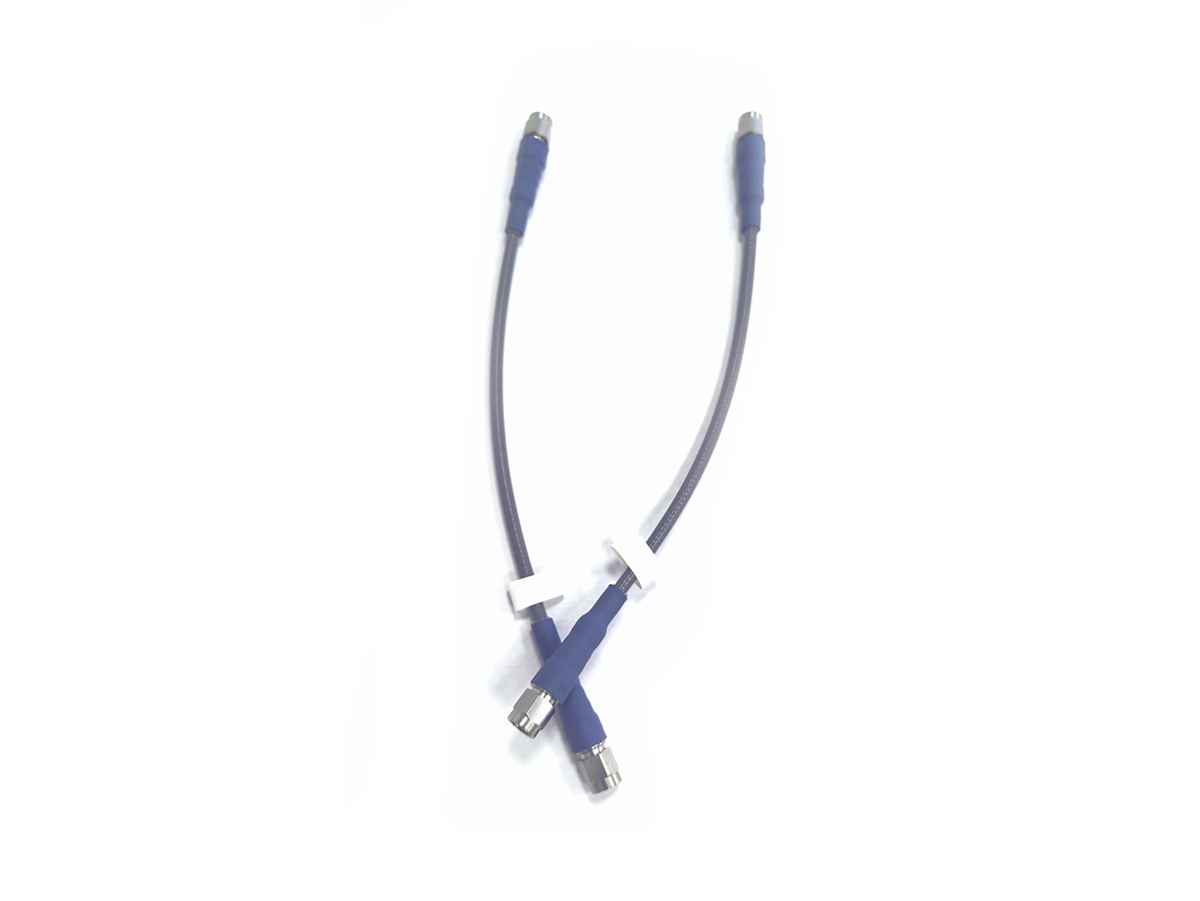
When discussing aerospace LVDS (Low Voltage Differential Signaling) cables, it’s essential to understand the unique demands they meet in the aerospace and electrical sectors. Designed to transmit data at high speeds with minimal electromagnetic interference, LVDS cables are increasingly crucial in applications where reliability and performance are non-negotiable.
One of the primary characteristics of aerospace LVDS cables is their ability to minimize signal degradation over long distances. This is particularly important in aerospace applications, where data integrity is vital for systems such as avionics, flight control, and communication networks. By utilizing differential signaling, LVDS cables can reduce susceptibility to noise and maintain high data rates, making them suitable for environments where signal clarity is essential.
Another significant feature is their compact design. Aerospace LVDS cables are engineered to be lightweight and flexible, which is crucial in aircraft design where weight reduction can lead to significant fuel savings and enhanced performance. The ability to route these cables through tight spaces without compromising their functionality is an attribute that engineers find invaluable.
In addition to their physical properties, the materials used in aerospace LVDS cables contribute to their performance. The insulation and shielding materials must withstand extreme temperatures and environmental conditions typical in aerospace settings. As a result, these cables often incorporate specialized materials that enhance their durability and resistance to mechanical stress and environmental factors.
Aerospace LVDS cables are employed in various applications beyond traditional aerospace uses. Their high-speed data transmission capabilities make them suitable for high-definition video and imaging systems, which are increasingly used in modern aircraft. Furthermore, their reliability extends to industrial automation and robotics, where precise data communication is necessary.
When selecting aerospace LVDS cables for specific applications, factors such as cable length, connector type, and environmental conditions should be considered. It’s important to work with suppliers who understand the stringent requirements of the aerospace industry and can provide technical support during the selection process.
In conclusion, aerospace LVDS cables represent a critical component in the evolving landscape of aerospace technology. Their ability to deliver reliable, high-speed data transmission while maintaining lightweight and compact designs makes them indispensable in both aerospace and other high-performance applications. As technology continues to advance, the importance of these cables will only grow, underscoring the need for professionals in the electrical and electronics industry to stay informed about their unique features and applications.
One of the primary characteristics of aerospace LVDS cables is their ability to minimize signal degradation over long distances. This is particularly important in aerospace applications, where data integrity is vital for systems such as avionics, flight control, and communication networks. By utilizing differential signaling, LVDS cables can reduce susceptibility to noise and maintain high data rates, making them suitable for environments where signal clarity is essential.
Another significant feature is their compact design. Aerospace LVDS cables are engineered to be lightweight and flexible, which is crucial in aircraft design where weight reduction can lead to significant fuel savings and enhanced performance. The ability to route these cables through tight spaces without compromising their functionality is an attribute that engineers find invaluable.
In addition to their physical properties, the materials used in aerospace LVDS cables contribute to their performance. The insulation and shielding materials must withstand extreme temperatures and environmental conditions typical in aerospace settings. As a result, these cables often incorporate specialized materials that enhance their durability and resistance to mechanical stress and environmental factors.
Aerospace LVDS cables are employed in various applications beyond traditional aerospace uses. Their high-speed data transmission capabilities make them suitable for high-definition video and imaging systems, which are increasingly used in modern aircraft. Furthermore, their reliability extends to industrial automation and robotics, where precise data communication is necessary.
When selecting aerospace LVDS cables for specific applications, factors such as cable length, connector type, and environmental conditions should be considered. It’s important to work with suppliers who understand the stringent requirements of the aerospace industry and can provide technical support during the selection process.
In conclusion, aerospace LVDS cables represent a critical component in the evolving landscape of aerospace technology. Their ability to deliver reliable, high-speed data transmission while maintaining lightweight and compact designs makes them indispensable in both aerospace and other high-performance applications. As technology continues to advance, the importance of these cables will only grow, underscoring the need for professionals in the electrical and electronics industry to stay informed about their unique features and applications.


Do you have Questions?
Not sure what you're looking for? Unable to find what you need?