

How RG316 Coaxial Cable Assemblies Enhance Signal Quality for Optimal Performance
Release Date:2026-02-14


How RG316 Coaxial Cable Assemblies Improve Signal Quality
Understanding Coaxial Cables and Their Importance in Signal Transmission
Coaxial cables, commonly referred to as coax cables, are essential in various applications, including telecommunications, broadcasting, and data transmission. The fundamental structure of a coax cable consists of a central conductor, an insulating layer, a metallic shield, and an outer insulating layer. This design enables coax cables to maintain high signal integrity while minimizing interference from external sources.
### What Makes RG316 Coaxial Cables Unique?
RG316 coaxial cables are designed with a focus on high-frequency signal transmission. They are particularly known for their **low loss characteristics**, making them ideal for applications requiring **minimal signal degradation**. The RG316 cable employs a silver-plated copper conductor, which enhances conductivity and reduces resistance. Additionally, the use of high-quality materials in the cable's construction ensures durability and reliability, even in challenging environments.
The Role of RG316 Coaxial Cable Assemblies in Signal Quality
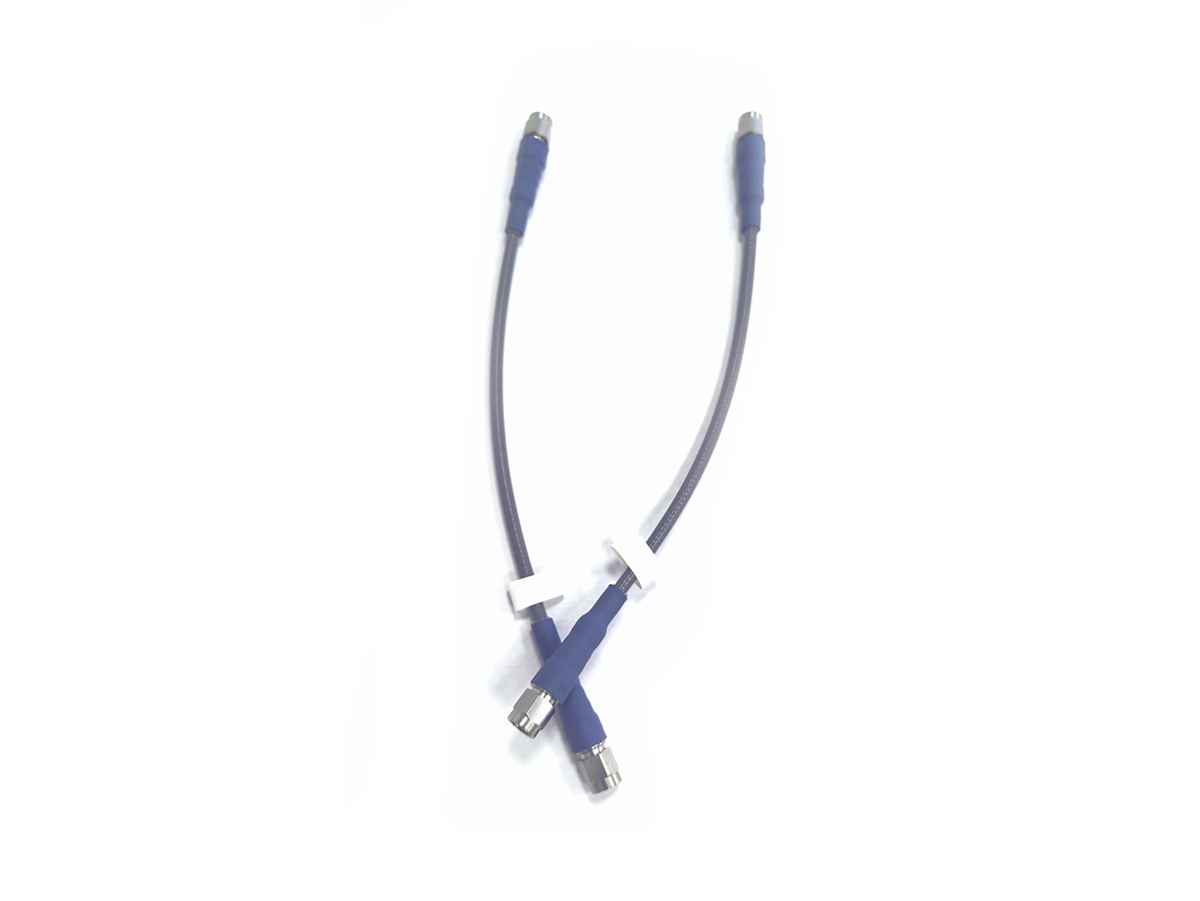
When it comes to maintaining and enhancing signal quality, RG316 coaxial cable assemblies play a crucial role. These assemblies not only provide the necessary connectivity but also enhance the overall performance of the systems they are integrated into.
### Benefits of Using RG316 Coaxial Cable Assemblies
1. **Low Signal Loss**: RG316 cables are designed to minimize signal loss over long distances. Their superior construction allows for efficient signal transmission, making them perfect for applications like high-speed internet, satellite communications, and RF signal transmission.
2. **High Flexibility**: RG316 coaxial cables are known for their flexibility, allowing for easier installation in tight spaces or complex configurations. Their ability to bend without compromising performance is a significant advantage in various scenarios.
3. **Enhanced Shielding**: The shielding in RG316 cables protects against electromagnetic interference (EMI) and radio frequency interference (RFI), which are common culprits of signal degradation. This shielding ensures that the signals remain clear and accurate, even in environments with significant interference.
4. **Broad Frequency Range**: RG316 coaxial cables can handle a wide range of frequencies, making them suitable for various applications, from telecommunications to high-frequency data transmission. This versatility contributes to their growing popularity among engineers and technicians.
5. **Durability and Longevity**: With high-quality materials and construction, RG316 cables are built to last. They can endure environmental factors such as temperature fluctuations and moisture, ensuring long-term reliability and consistent signal quality.
Common Applications of RG316 Coaxial Cable Assemblies
Understanding where RG316 coaxial cable assemblies are used helps illustrate their importance in maintaining signal quality.
### Telecommunications and Networking
In the telecommunications sector, RG316 cables facilitate the transmission of data and voice signals. Their low-loss properties make them ideal for connecting antennas, radio transmitters, and receivers. In networking applications, they are used for connecting devices to ensure high-speed data transfer without significant loss.
### Satellite Communication
RG316 coaxial cables are extensively used in satellite communication systems. Their ability to transmit high-frequency signals with minimal loss ensures reliable communication in satellite dishes and ground stations, making them a critical component in this industry.
### Medical Equipment
In medical applications, RG316 cables are used in devices requiring precise signal transmission. For instance, ultrasound machines and other diagnostic equipment rely on high-quality coaxial cables to deliver clear and accurate signals, which are essential for accurate diagnostics.
Key Considerations When Selecting RG316 Coaxial Cable Assemblies
When choosing RG316 coaxial cable assemblies for your application, several factors should be considered:
### 1. Cable Length
The length of the coaxial cable plays a vital role in signal quality. Longer cables may introduce more signal loss, so it's essential to select an appropriate length for your application to minimize degradation.
### 2. Connector Type
Choosing the right connectors for your RG316 assembly is crucial. Ensure compatibility with your devices and application requirements. Common connector types include SMA, BNC, and N-type connectors.
### 3. Environment
Consider the environment in which the cable will be used. RG316 cables are available in various configurations, including those resistant to moisture, heat, and other environmental factors. Selecting the right type ensures performance and longevity.
Installation Best Practices for RG316 Coaxial Cable Assemblies
Proper installation of RG316 coaxial cable assemblies is essential to ensure optimal performance and signal quality. Here are some best practices to follow:
### 1. Avoid Sharp Bends
While RG316 cables are flexible, avoid making sharp bends during installation. Sharp bends can lead to increased signal loss and potential damage to the cable over time.
### 2. Secure Connections
Ensure that all connections are secure and properly tightened. Loose connections can cause signal interference and degradation, impacting overall performance.
### 3. Use Proper Tools
Using the right tools for installation is crucial. Specialized tools for cutting, stripping, and crimping RG316 cables help ensure precise installation and reliable connections.
FAQs about RG316 Coaxial Cable Assemblies
**1. What is the maximum frequency that RG316 coaxial cables can handle?**
RG316 coaxial cables can handle frequencies up to 3 GHz, making them suitable for a wide range of applications requiring high-frequency signal transmission.
**2. Can RG316 coaxial cables be used outdoors?**
Yes, RG316 cables can be used outdoors; however, selecting the appropriate variant designed for outdoor use is essential to ensure durability against environmental factors.
**3. How does the shielding in RG316 cables affect signal quality?**
The shielding in RG316 cables protects against EMI and RFI, which can cause signal degradation. This shielding ensures that the signals transmitted remain clear and accurate.
**4. What are the common connector types for RG316 coaxial cables?**
Common connector types include SMA, BNC, and N-type connectors. The choice of connector depends on the specific application and compatibility with devices.
**5. How can I determine the right length of RG316 cable for my application?**
The right length depends on the distance between devices and the acceptable level of signal loss. It's important to balance length and performance to maintain signal integrity.
Conclusion
RG316 coaxial cable assemblies play a vital role in enhancing signal quality across various applications. Their unique design, low-loss characteristics, and high flexibility make them the preferred choice for telecommunications, satellite communication, and medical equipment. By understanding the benefits, applications, and best practices associated with RG316 cables, users can ensure optimal performance and reliability in their systems. Investing in high-quality RG316 coaxial cable assemblies is an essential step toward achieving superior signal transmission and overall system efficiency.


Do you have Questions?
Not sure what you're looking for? Unable to find what you need?