

Understanding RG178 Coaxial Cable Assembly: Key Features and Benefits
Release Date:2026-02-16


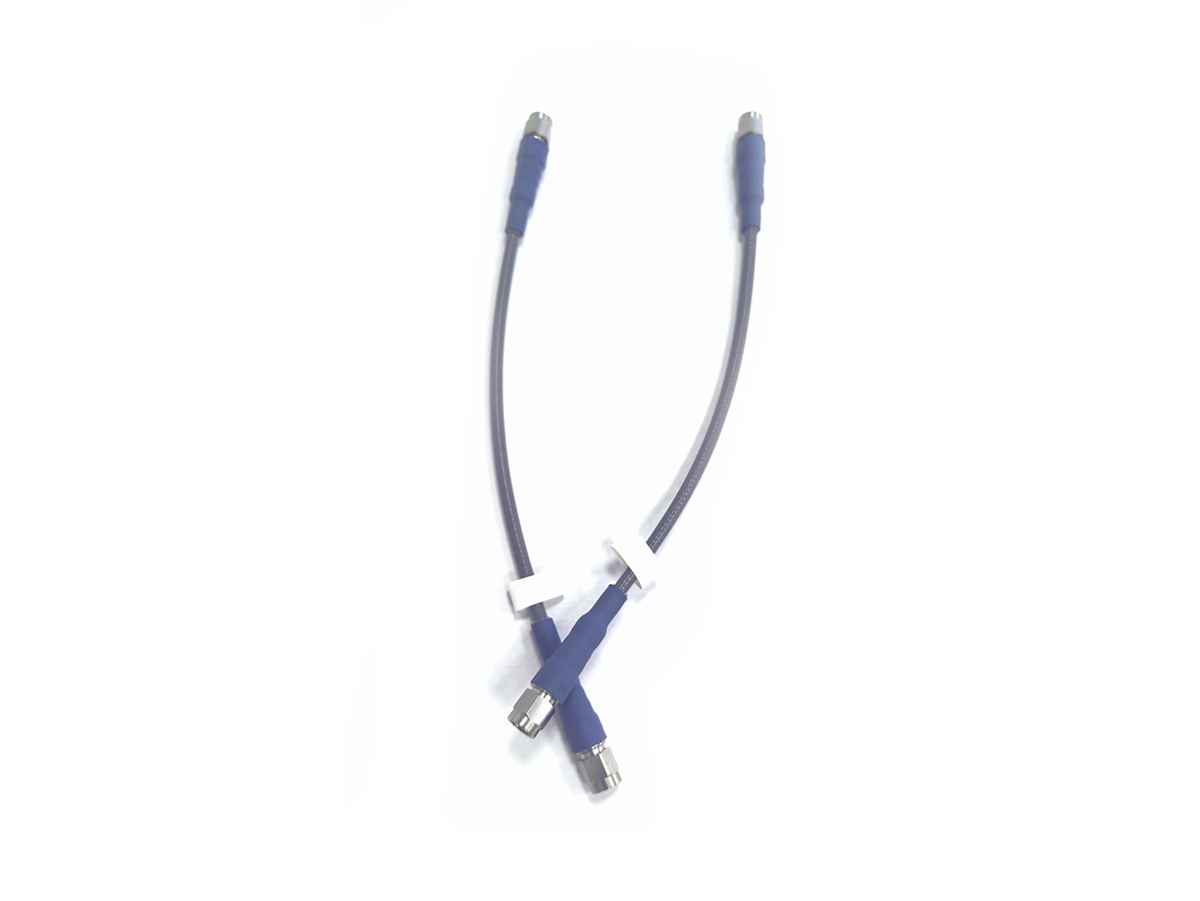
RG178 coaxial cable assembly is a versatile component widely used in various electronic applications, particularly in the realm of telecommunications and data transmission. Understanding its structure and characteristics is crucial for anyone working with electrical systems or involved in the design and implementation of communication networks.
The RG178 cable features a unique construction that typically includes a central conductor, an insulating layer, a shielding layer, and an outer jacket. This design plays a significant role in its performance, as the central conductor is usually made of copper or copper-clad steel, ensuring high conductivity. The insulation layer is designed to prevent signal interference, while the shielding layer offers protection against electromagnetic interference (EMI), which is essential in maintaining signal integrity over longer distances. The outer jacket not only provides mechanical protection but also contributes to the cable's durability in various environmental conditions.
One of the primary advantages of RG178 coaxial cable assemblies is their flexibility. This makes them ideal for applications requiring tight bends or those that need to fit into compact spaces. Additionally, RG178 cables are lightweight, which is beneficial in applications where weight is a critical factor, such as in aerospace and portable devices. The ability to maintain excellent signal quality while minimizing weight and size makes RG178 an attractive option for engineers and technicians.
RG178 coaxial cable assemblies are also known for their frequency performance capabilities. They are typically rated for frequencies up to 6 GHz, making them suitable for high-frequency applications, including Wi-Fi, GPS, and RF communication systems. Due to their low-loss characteristics, RG178 cables help in reducing signal degradation, ensuring a clearer and stronger transmission.
When selecting RG178 coaxial cable assemblies, it's essential to consider the specific requirements of your application. Factors such as length, termination types, and environmental conditions can significantly impact performance. For instance, assemblies can come with various connector types, including SMA, RP-SMA, and BNC, allowing for compatibility with different devices and systems.
In conclusion, RG178 coaxial cable assemblies are an essential component in modern electrical and electronic applications. Their unique construction, flexibility, lightweight nature, and excellent frequency performance make them a preferred choice for many engineers and designers. Understanding these aspects of the RG178 cable can help professionals make informed decisions when incorporating these assemblies into their projects, ensuring reliable and efficient communication systems.
The RG178 cable features a unique construction that typically includes a central conductor, an insulating layer, a shielding layer, and an outer jacket. This design plays a significant role in its performance, as the central conductor is usually made of copper or copper-clad steel, ensuring high conductivity. The insulation layer is designed to prevent signal interference, while the shielding layer offers protection against electromagnetic interference (EMI), which is essential in maintaining signal integrity over longer distances. The outer jacket not only provides mechanical protection but also contributes to the cable's durability in various environmental conditions.
One of the primary advantages of RG178 coaxial cable assemblies is their flexibility. This makes them ideal for applications requiring tight bends or those that need to fit into compact spaces. Additionally, RG178 cables are lightweight, which is beneficial in applications where weight is a critical factor, such as in aerospace and portable devices. The ability to maintain excellent signal quality while minimizing weight and size makes RG178 an attractive option for engineers and technicians.
RG178 coaxial cable assemblies are also known for their frequency performance capabilities. They are typically rated for frequencies up to 6 GHz, making them suitable for high-frequency applications, including Wi-Fi, GPS, and RF communication systems. Due to their low-loss characteristics, RG178 cables help in reducing signal degradation, ensuring a clearer and stronger transmission.
When selecting RG178 coaxial cable assemblies, it's essential to consider the specific requirements of your application. Factors such as length, termination types, and environmental conditions can significantly impact performance. For instance, assemblies can come with various connector types, including SMA, RP-SMA, and BNC, allowing for compatibility with different devices and systems.
In conclusion, RG178 coaxial cable assemblies are an essential component in modern electrical and electronic applications. Their unique construction, flexibility, lightweight nature, and excellent frequency performance make them a preferred choice for many engineers and designers. Understanding these aspects of the RG178 cable can help professionals make informed decisions when incorporating these assemblies into their projects, ensuring reliable and efficient communication systems.


Do you have Questions?
Not sure what you're looking for? Unable to find what you need?