

Understanding Low Skew Differential Signal Cables: A Key Component in Electrical Engineering
Release Date:2026-02-20


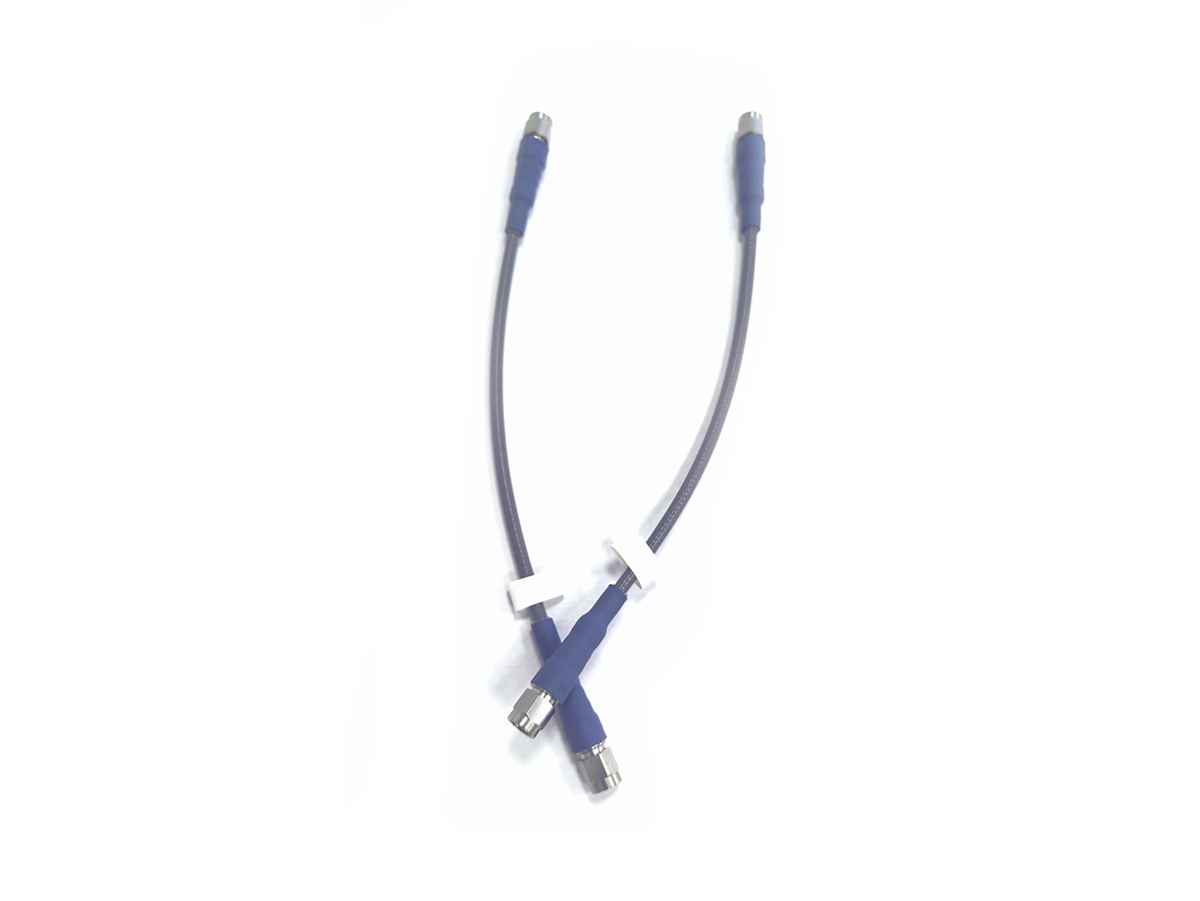
Low skew differential signal cables are specialized transmission lines designed to minimize timing discrepancies between the differential pairs of signals. In high-speed data communication, the integrity of the signal is paramount; even minor delays can lead to data errors and compromised system performance. These cables achieve low skew primarily through precise manufacturing processes that ensure consistent impedance and a uniform transmission medium.
One of the most remarkable features of low skew differential signal cables is their ability to maintain signal integrity over long distances. This capability is particularly crucial in modern applications such as data centers, telecommunications, and high-frequency trading systems, where rapid data exchange is critical. The reduction in skew ensures that the signals arrive at their destination simultaneously, making it easier for the receiving equipment to accurately interpret the data.
In addition to reduced skew, these cables often exhibit enhanced resistance to electromagnetic interference (EMI). The twisted pair design of differential signaling inherently cancels out noise that can distort signals. By using high-quality materials and shielding techniques, manufacturers can further improve the performance of low skew differential signal cables, making them ideal for use in environments with significant electronic noise.
When selecting low skew differential signal cables for a project, it's essential to consider several factors. The cable's capacitance, inductance, and overall construction should align with the specific requirements of your application. Additionally, understanding the environment in which the cables will be deployed can inform your choices. For instance, cables designed for outdoor use may require robust insulation and weather resistance.
Another critical aspect to consider is the connector compatibility with your existing systems. Ensuring that the connectors match your equipment will facilitate seamless integration and optimize performance. Moreover, it’s advisable to adhere to industry standards when installing these cables to maintain transmission quality and reliability.
In summary, low skew differential signal cables play a vital role in today’s fast-paced electrical and data transmission environments. Their ability to minimize skew and resist interference makes them indispensable for high-speed applications. By understanding their characteristics and best practices for implementation, professionals in the electrical engineering industry can ensure optimal system performance and reliability in their projects.
One of the most remarkable features of low skew differential signal cables is their ability to maintain signal integrity over long distances. This capability is particularly crucial in modern applications such as data centers, telecommunications, and high-frequency trading systems, where rapid data exchange is critical. The reduction in skew ensures that the signals arrive at their destination simultaneously, making it easier for the receiving equipment to accurately interpret the data.
In addition to reduced skew, these cables often exhibit enhanced resistance to electromagnetic interference (EMI). The twisted pair design of differential signaling inherently cancels out noise that can distort signals. By using high-quality materials and shielding techniques, manufacturers can further improve the performance of low skew differential signal cables, making them ideal for use in environments with significant electronic noise.
When selecting low skew differential signal cables for a project, it's essential to consider several factors. The cable's capacitance, inductance, and overall construction should align with the specific requirements of your application. Additionally, understanding the environment in which the cables will be deployed can inform your choices. For instance, cables designed for outdoor use may require robust insulation and weather resistance.
Another critical aspect to consider is the connector compatibility with your existing systems. Ensuring that the connectors match your equipment will facilitate seamless integration and optimize performance. Moreover, it’s advisable to adhere to industry standards when installing these cables to maintain transmission quality and reliability.
In summary, low skew differential signal cables play a vital role in today’s fast-paced electrical and data transmission environments. Their ability to minimize skew and resist interference makes them indispensable for high-speed applications. By understanding their characteristics and best practices for implementation, professionals in the electrical engineering industry can ensure optimal system performance and reliability in their projects.


Do you have Questions?
Not sure what you're looking for? Unable to find what you need?