

LD-PTFE Low Loss Cable: Revolutionizing Signal Transmission for Modern Communication
Release Date:2026-02-18


LD-PTFE Low Loss Cable: Revolutionizing Signal Transmission
Introduction to LD-PTFE Low Loss Cable
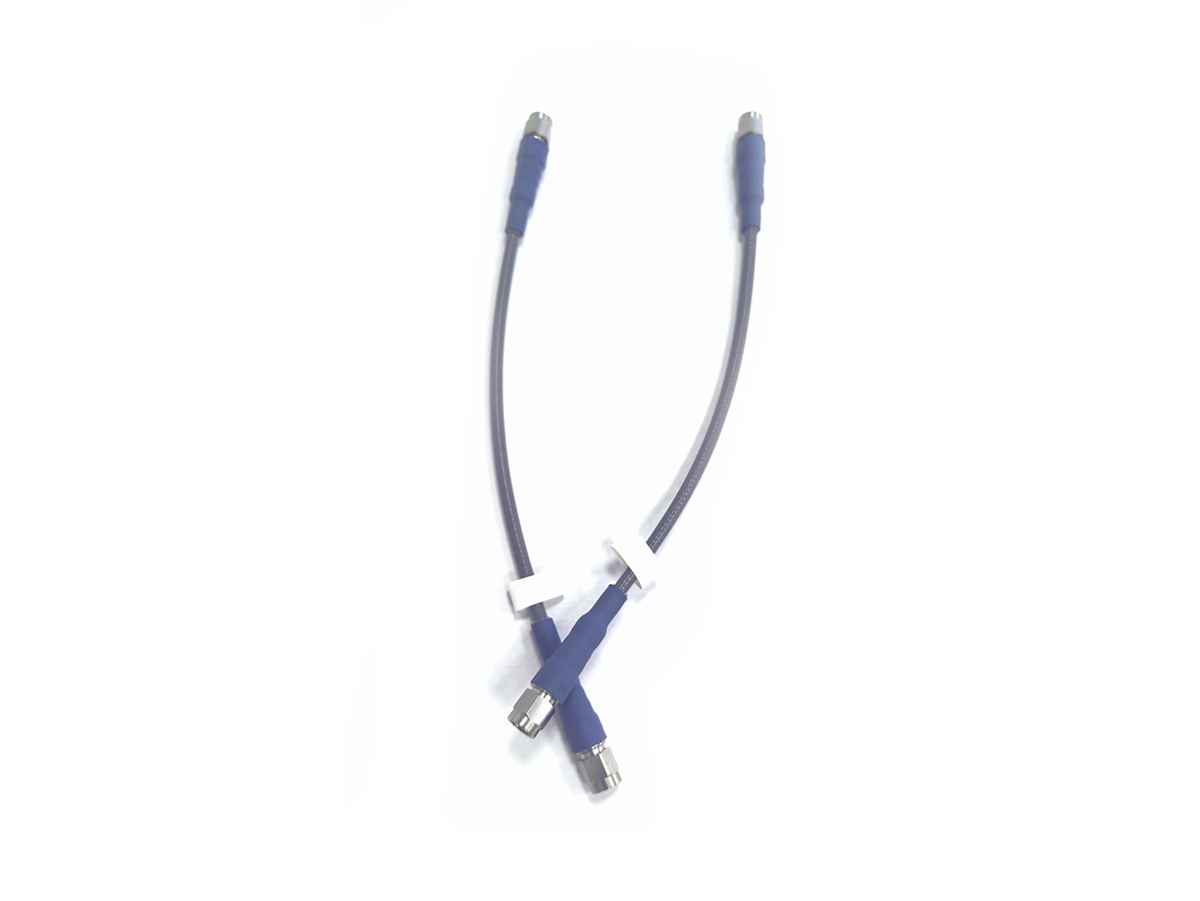
In today’s fast-paced digital world, efficient signal transmission is more crucial than ever. As we venture deeper into an era dominated by high-speed communication, the need for advanced technologies becomes undeniable. The **LD-PTFE Low Loss Cable** stands at the forefront of this revolution, offering unparalleled performance in electrical and telecommunications applications. This article explores the remarkable features, benefits, and practical applications of LD-PTFE Low Loss Cable, highlighting its transformative potential.
Understanding LD-PTFE Low Loss Cable
What is LD-PTFE?
**LD-PTFE**, or Low-Density Polytetrafluoroethylene, is a specialized polymer used to manufacture high-quality cables. Its unique properties, including low dielectric loss, high chemical resistance, and excellent thermal stability, make it an ideal choice for signal transmission. The structure of LD-PTFE enables minimal signal degradation and reduced interference, which are critical factors in maintaining the integrity of transmitted information.
Key Characteristics of LD-PTFE Low Loss Cable
LD-PTFE Low Loss Cable is characterized by several important attributes:
- **Low Dielectric Loss**: LD-PTFE cables exhibit low loss characteristics, allowing signals to be transmitted over long distances without significant attenuation.
- **Temperature Stability**: These cables can operate effectively in a wide range of temperatures, making them suitable for various environmental conditions.
- **Chemical Resistance**: The robust chemical resistance of LD-PTFE ensures that these cables can withstand harsh environments, including exposure to oils, solvents, and corrosive agents.
- **Flexibility and Durability**: LD-PTFE cables provide excellent flexibility, enabling ease of installation while maintaining durability against physical stress.
The Advantages of LD-PTFE Low Loss Cable
Enhanced Signal Quality
One of the primary benefits of using LD-PTFE Low Loss Cable is the enhancement of signal quality. With reduced loss and interference, these cables ensure that data transmission remains clear and accurate, which is particularly important in applications such as telecommunications, broadcasting, and data centers.
Cost-Effectiveness in the Long Run
While the initial investment in LD-PTFE cables may be higher compared to conventional cables, their durability and efficiency can lead to significant cost savings over time. Reduced maintenance and replacement costs, coupled with the improved performance, make LD-PTFE cables a smart investment for businesses aiming to enhance their communication infrastructure.
Improved Bandwidth Capacity
LD-PTFE Low Loss Cables support higher bandwidths, allowing for the transmission of more data simultaneously. This is crucial for modern applications that demand high-speed data transfer, such as streaming services, online gaming, and cloud computing.
Environmental Sustainability
In an age where environmental considerations are paramount, LD-PTFE cables offer a greener alternative. Their long lifespan and reduced energy loss during transmission contribute to lower overall energy consumption, aligning with sustainability goals in various industries.
Applications of LD-PTFE Low Loss Cable
Telecommunications and Data Transmission
LD-PTFE Low Loss Cables are widely used in the telecommunications sector for both indoor and outdoor applications. They are ideal for connecting antennas, routers, and other communication devices, ensuring minimal signal loss and maximum performance.
Broadcasting and Media Production
In broadcasting, maintaining signal integrity is paramount. LD-PTFE cables are employed in studios and transmission facilities to connect equipment such as cameras, microphones, and broadcast transmitters, ensuring high-quality audio and video transmission.
Industrial Automation
In the realm of industrial automation, LD-PTFE Low Loss Cables facilitate communication between sensors, actuators, and control systems. Their reliability and resistance to environmental stress make them suitable for factory settings where precision is key.
High-Frequency Applications
From radar systems to satellite communication, LD-PTFE cables excel in high-frequency applications where traditional cables may fail to perform. Their low loss characteristics allow for effective signal transmission in critical scenarios.
Installation and Maintenance of LD-PTFE Low Loss Cable
Installation Best Practices
For optimal performance, proper installation of LD-PTFE Low Loss Cables is essential. Here are some best practices:
- **Follow Manufacturer Guidelines**: Always adhere to manufacturer specifications when installing LD-PTFE cables to ensure proper use and performance.
- **Avoid Sharp Bends**: While LD-PTFE cables are flexible, avoiding sharp bends during installation can prevent damage and maintain signal quality.
- **Use Quality Connectors**: Pairing LD-PTFE cables with high-quality connectors will further enhance performance and reduce potential points of failure.
Maintenance Tips
To ensure the longevity of LD-PTFE cables, regular maintenance is recommended:
- **Regular Inspections**: Periodic checks for physical damage, wear, or signs of corrosion can help identify potential issues before they escalate.
- **Cleaning**: Keeping connectors and cable surfaces clean from dust and contaminants will reduce interference and maintain signal clarity.
- **Testing**: Utilizing testing equipment to monitor signal strength and quality can help ensure that the cables are functioning optimally.
Frequently Asked Questions (FAQs)
1. What makes LD-PTFE Low Loss Cables different from regular cables?
LD-PTFE Low Loss Cables are designed with low dielectric loss characteristics, which means they maintain signal quality over longer distances compared to standard cables. Their chemical resistance and flexibility further enhance their performance in various applications.
2. In what environments can LD-PTFE cables be used?
These cables are suitable for a wide range of environments, including outdoor, industrial, and commercial settings. Their durability and resistance to adverse conditions make them versatile for various applications.
3. Are LD-PTFE Low Loss Cables more expensive than traditional cables?
While LD-PTFE cables may have a higher upfront cost, their long-term benefits such as reduced maintenance and improved performance can result in overall cost savings.
4. How do I determine the right size of LD-PTFE cable for my application?
The appropriate cable size depends on several factors, including the required bandwidth, distance of transmission, and environmental conditions. Consulting with a professional or referring to manufacturer specifications can help in making the right choice.
5. Can LD-PTFE cables be used for both analog and digital signals?
Yes, LD-PTFE Low Loss Cables are versatile and can effectively transmit both analog and digital signals, making them suitable for a wide variety of applications.
Conclusion
The introduction of **LD-PTFE Low Loss Cables** has brought about significant advancements in signal transmission, setting new standards for efficiency, reliability, and performance. With their unique properties and broad range of applications, these cables are paving the way for enhanced communication infrastructure in various industries. As technology continues to evolve, LD-PTFE cables will undoubtedly play a pivotal role in shaping the future of data transmission, ensuring that we remain connected in an increasingly digital world. Embracing this technology today means investing in a more efficient and sustainable tomorrow.


Do you have Questions?
Not sure what you're looking for? Unable to find what you need?