

Connecting the Dots: The Essential Guide to RF Coaxial Assemblies
Release Date:2026-02-26


Image Source: unsplash
Understanding RF Coaxial Assemblies
When it comes to the world of radio frequency (RF) communication, nothing quite connects like RF coaxial assemblies. These components are the unsung heroes behind many of our modern technological marvels, serving as the backbone of reliable signal transmission across a variety of applications.
What Are RF Coaxial Assemblies?
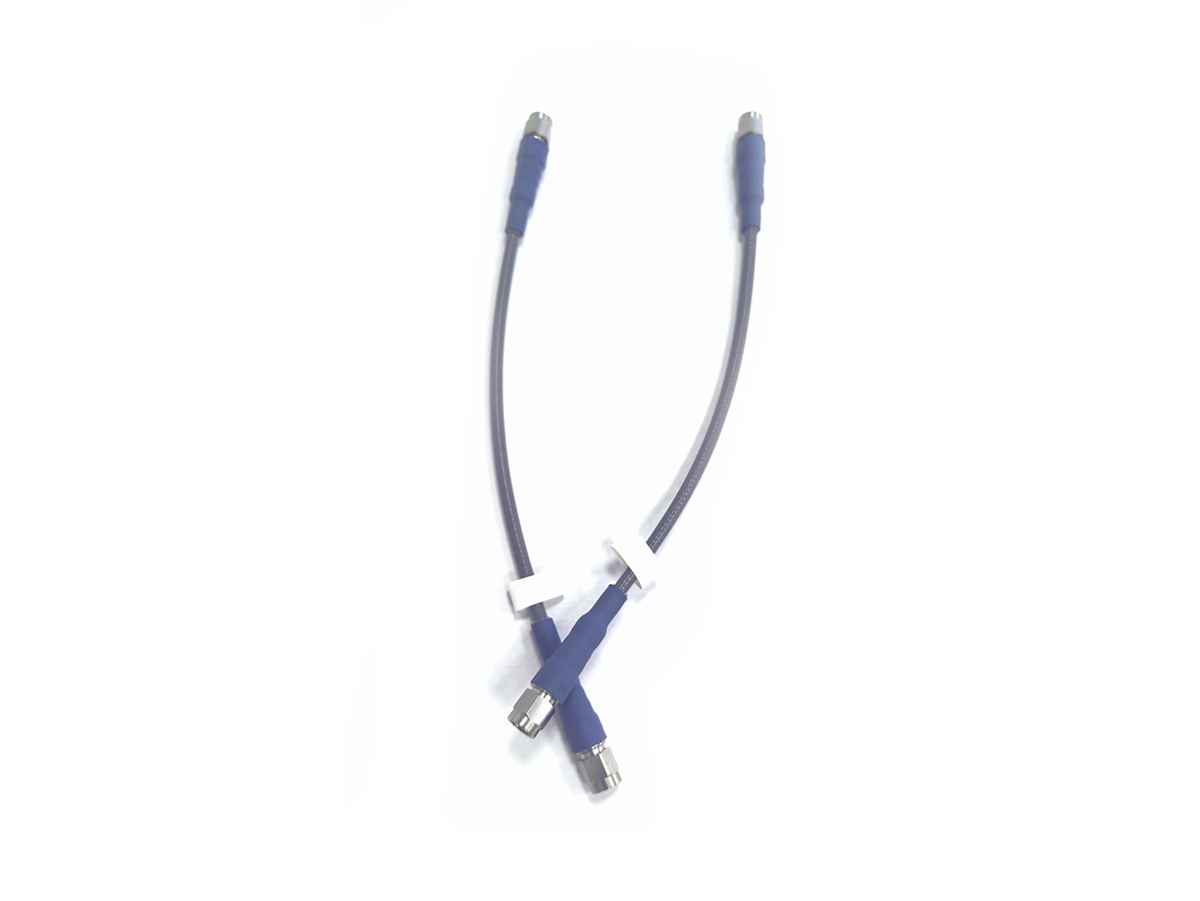
So, what exactly are RF coaxial assemblies? In layman's terms, they are specialized cables designed to carry RF signals with minimal loss and interference. Picture them as the superhighways of electrical signals, allowing everything from your smartphone to the latest satellite technology to function seamlessly.
The Anatomy of RF Coaxial Assemblies
Typically, these assemblies consist of a central conductor, an insulating layer, and an outer conductor that shields the signal from external interference. This design not only helps in maintaining signal integrity but also ensures that the transmission is efficient. Let's break it down:
- Central Conductor: This is where the magic happens. It carries the actual RF signal.
- Dielectric Insulator: Ensures that the signal travels without any disruption.
- Outer Conductor: Provides a protective shield against interference from the environment.
- Jacket: The exterior layer that protects the assembly from physical damage.
Industries That Rely on RF Coaxial Assemblies
RF coaxial assemblies are everywhere—no kidding! From telecommunications to aerospace, their applications are vast. Here are a few sectors that heavily depend on these assemblies:
- Telecommunications: Essential for mobile networks, ensuring that your calls and data go through without a hitch.
- Aerospace: Used in aircraft communication and navigation systems, where reliability is paramount.
- Broadcasting: Vital for radio and television transmission, helping to deliver crisp signals to your devices.
- Medical Devices: Found in imaging equipment and other devices that require precise signal transmission.
Choosing the Right RF Coaxial Assembly
Now, if you're in the market to select RF coaxial assemblies for your project, here are a few tips to keep in mind:
- Frequency Range: Make sure the assembly is suitable for the frequencies you intend to use.
- Impedance: Choose the right impedance (typically 50 or 75 ohms) based on your application.
- Length and Flexibility: Consider the installation environment—shorter cables with more flexibility may be needed in tight spaces.
The Future of RF Coaxial Assemblies
As technology continues to evolve, so does the demand for more sophisticated RF coaxial assemblies. Innovations in materials and design are paving the way for even better performance. For example, advancements in low-loss materials are enhancing signal integrity, making them more efficient than ever!
Final Thoughts
In a nutshell, RF coaxial assemblies play a crucial role in keeping our world connected. Whether you're a tech enthusiast or a professional in the industry, understanding these assemblies can empower you to make informed decisions on your projects. After all, in today's fast-paced digital age, staying ahead of the curve is key!


Do you have Questions?
Not sure what you're looking for? Unable to find what you need?