

Understanding RF Coaxial Assemblies: The Backbone of Signal Transmission
Release Date:2026-02-27


Image Source: unsplash
The Basics of RF Coaxial Assemblies
Ever wondered how your favorite gadgets communicate? Look no further than Radio Frequency Coaxial Assemblies! These nifty components are the unsung heroes of signal transmission, making them crucial in everything from your smartphone to satellite dishes. But what exactly are they, and how do they work?
What Are RF Coaxial Assemblies?
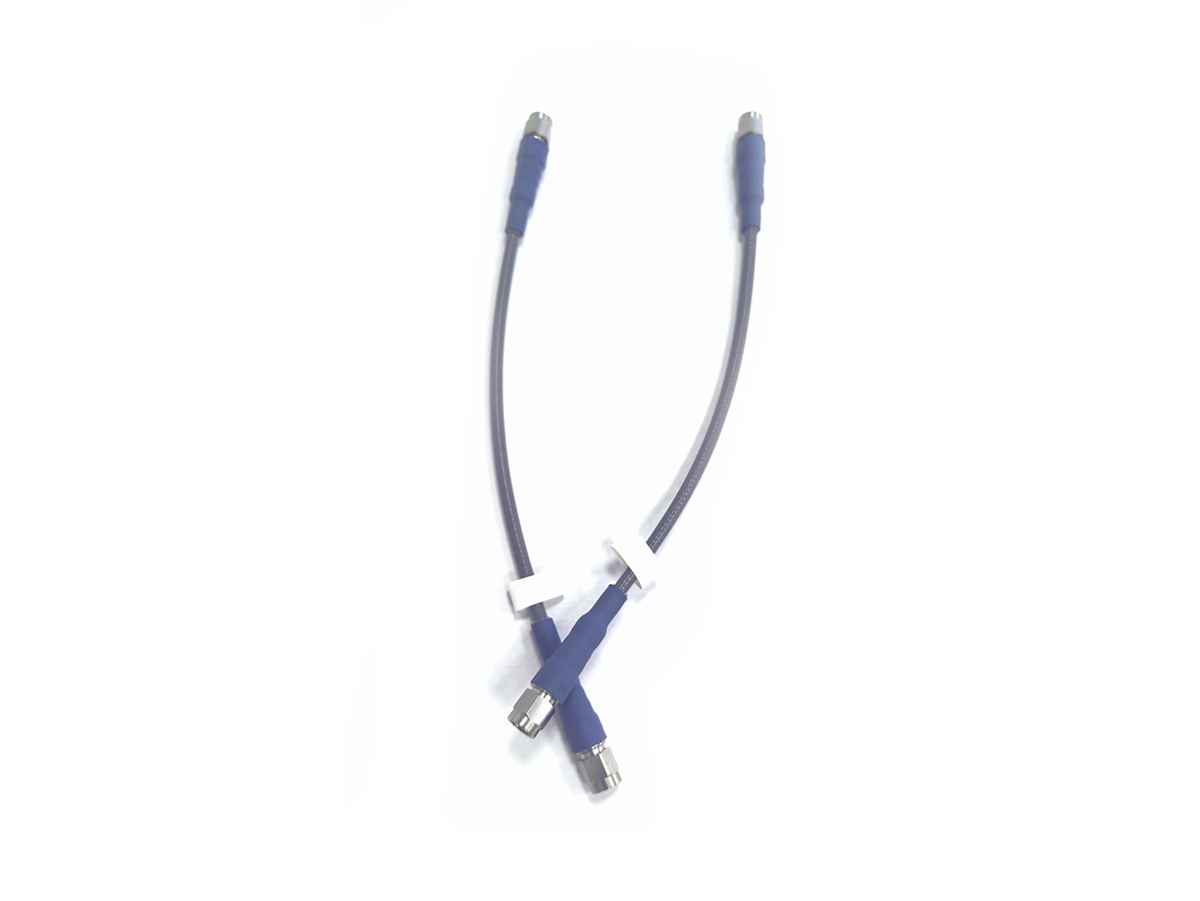
So, let's break it down. Radio Frequency Coaxial Assemblies are specialized cables designed to carry radio frequency signals. They consist of a central conductor surrounded by an insulating layer, which in turn is encased in a metallic shield. This structure helps minimize interference while maximizing signal integrity.
How Do They Work?
Okay, here's where it gets interesting! The beauty of Radio Frequency Coaxial Assemblies lies in their ability to transmit high-frequency signals with minimal loss. The central conductor transports the signal, while the insulating layer ensures that the signal remains intact and the shield protects it from external electromagnetic interference. It's like having a protective bubble around your data!
Key Components
To understand how Radio Frequency Coaxial Assemblies function, you need to know their main components:
- Center Conductor: This is typically made of copper and carries the electrical signal.
- Dielectric Insulator: A non-conductive material that separates the center conductor from the outer shield.
- Outer Shield: Usually made from braided or solid metal, it acts as a barrier against external signals.
- Jacket: This is the outer layer that protects the assembly from physical damage.
Applications Galore!
From telecommunications to broadcasting, Radio Frequency Coaxial Assemblies play a pivotal role in various industries. They're used in:
- Telecommunication Systems: Ensuring clear signals in mobile networks.
- Broadcasting: Transmitting signals for television and radio.
- Aerospace and Defense: Supporting communication in critical systems.
Just imagine the chaos if your phone calls were filled with static! Thanks to Radio Frequency Coaxial Assemblies, our communications remain clear and reliable.
Choosing the Right Assembly
When it comes to selecting Radio Frequency Coaxial Assemblies, there are a few factors to consider:
- Frequency Range: Make sure the assembly can handle the frequencies used in your application.
- Impedance: Most systems require a specific impedance; common values are 50 and 75 ohms.
- Length: Longer assemblies can result in more signal loss, so choose wisely!
The Future is Bright
With advancements in technology, the demand for high-quality Radio Frequency Coaxial Assemblies is only set to rise. As we continue to innovate in fields like IoT and wireless communications, these assemblies will remain at the forefront, ensuring that our devices communicate smoothly.
Final Thoughts
In conclusion, Radio Frequency Coaxial Assemblies are the backbone of modern communication technology. With their unique construction and adaptability, they ensure that our devices can send and receive signals reliably. Next time you use your smartphone or tune into your favorite radio station, remember the vital role these assemblies play in making it all happen!


Do you have Questions?
Not sure what you're looking for? Unable to find what you need?