

Navigating the World of RF Coaxial Assemblies: Common Questions Answered
Release Date:2026-02-28


Image Source: unsplash
Introduction to RF Coaxial Assemblies
Ever found yourself scratching your head over RF coaxial assemblies? You're not alone! These components play a vital role in various electronic applications, from telecommunications to broadcasting. In this article, we'll tackle some of the most frequently asked questions about these essential pieces of equipment.
What Exactly Are RF Coaxial Assemblies?
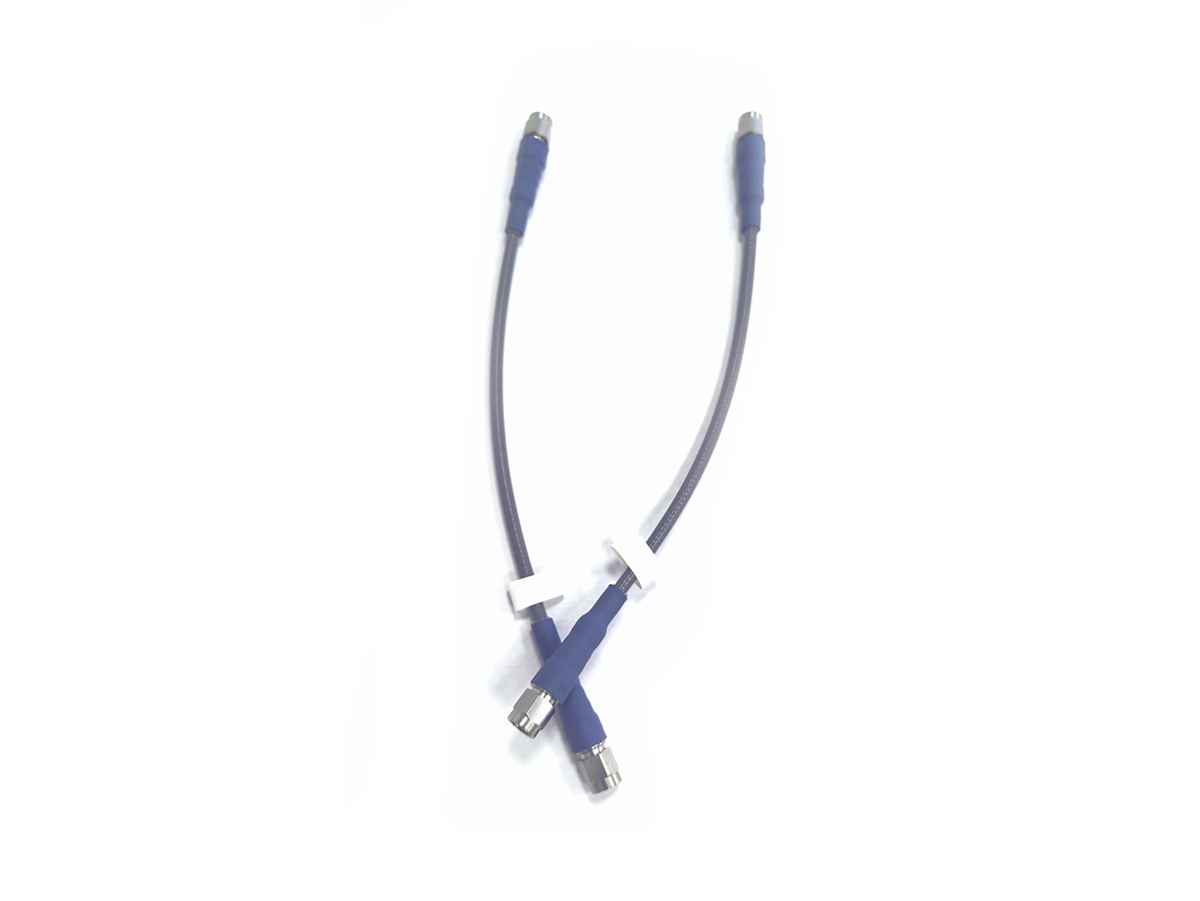
At their core, RF coaxial assemblies are cables designed to carry radio frequency signals. They consist of a central conductor, insulation, a shielding layer, and an outer jacket. This construction helps minimize signal loss and interference, which is crucial for maintaining signal integrity.
Why Are They Used?
Imagine trying to tune into your favorite radio station without a solid connection—the sound would be a jumbled mess! RF coaxial assemblies ensure that your devices can transmit and receive signals smoothly. They are widely used in applications such as GPS, cellular networks, and satellite communications.
Common Questions About RF Coaxial Assemblies
Let's dive into some burning questions that often pop up regarding RF coaxial assemblies:
1. What Types of RF Coaxial Assemblies Are Available?
You've got plenty of options when it comes to RF coaxial assemblies! There are various types, including flexible, semi-rigid, and rigid cables. Each type serves specific purposes, so it's essential to choose one that best fits your application.
2. How Do I Choose the Right Assembly?
Choosing the right RF coaxial assembly can feel like finding a needle in a haystack. Factors like frequency range, impedance, and environmental conditions all play a part. It's like picking the right shoes for a marathon—you want something that fits your needs perfectly!
3. What's the Importance of Impedance?
Ah, impedance—a term that can seem daunting but is vital! Impedance mismatch can lead to reflections and signal loss, much like having a poorly fitting puzzle piece. Most RF applications use 50 ohms or 75 ohms, so knowing which one you need is key.
4. How Long Do RF Coaxial Assemblies Last?
Well, it depends! With proper care and the right environment, RF coaxial assemblies can last years. Think of them as the reliable workhorses of your electronics. Just remember, exposure to harsh conditions can shorten their lifespan.
5. Can I Make My Own RF Coaxial Assemblies?
DIY enthusiasts, rejoice! You can absolutely create your own RF coaxial assemblies, provided you have the right tools and materials. Just ensure you're following best practices to avoid issues down the line. It's a bit like cooking; follow the recipe, and you'll whip up something fantastic!
Maintaining Your RF Coaxial Assemblies
To keep your RF coaxial assemblies in tip-top shape, regular maintenance is a must. Check for wear and tear, ensure connectors are tight, and keep them away from extreme temperatures. A little TLC goes a long way!
Final Thoughts
RF coaxial assemblies may seem complex, but they're essential for smooth communications in our technology-driven world. By understanding their importance and knowing the answers to common questions, you'll be better equipped to make informed decisions for your projects. So, go forth and conquer your RF needs!


Do you have Questions?
Not sure what you're looking for? Unable to find what you need?