

Understanding Low Loss Coaxial Cables: The Backbone of Reliable Connections
Release Date:2026-03-06


Image Source: unsplash
The Unsung Heroes of Connectivity
In today's fast-paced digital world, where every second counts, the importance of low loss coaxial cable cannot be overstated. These cables serve as the backbone of our communication systems, enabling seamless data transfer and robust connections. But what exactly makes them stand out?
What is Low Loss Coaxial Cable?
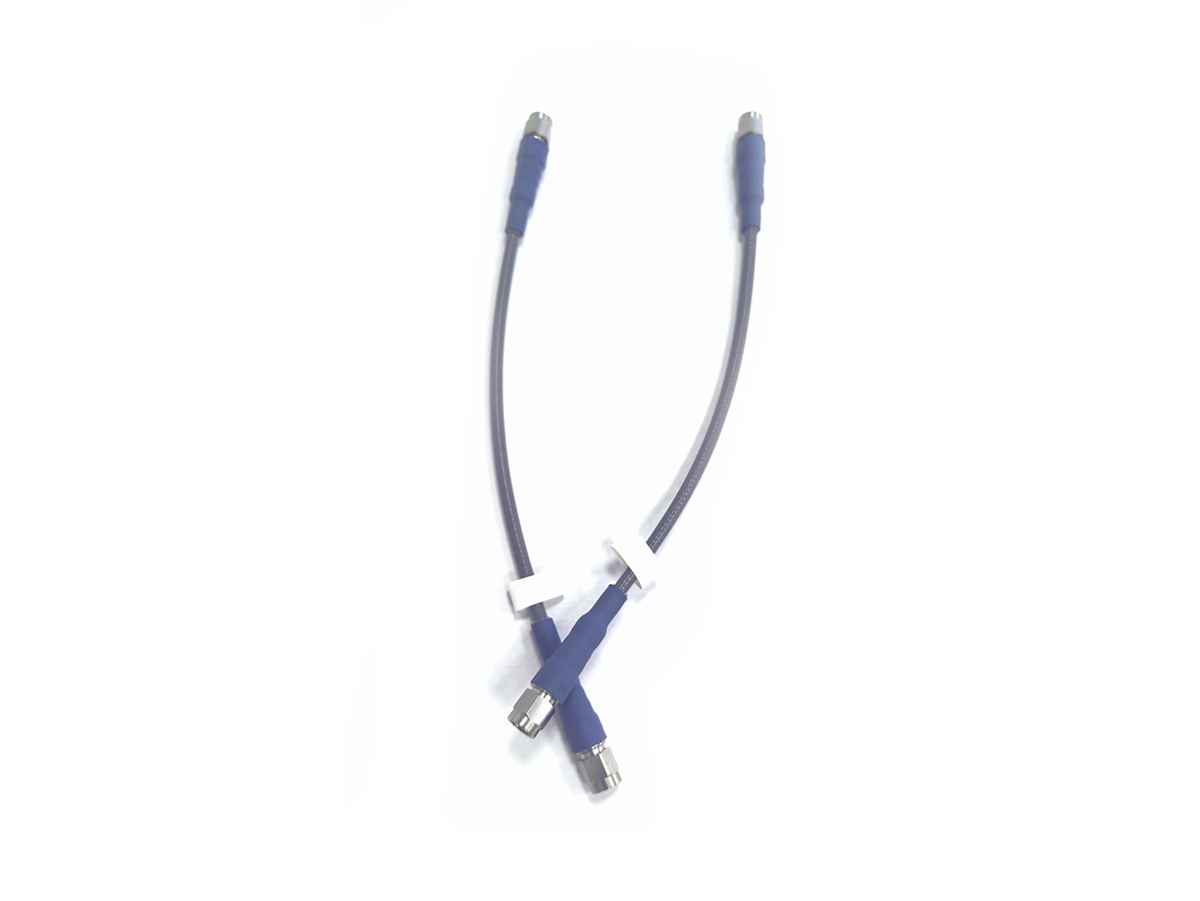
Simply put, low loss coaxial cables are specially designed to minimize signal loss during transmission. Unlike standard cables, which can lead to significant degradation of the signal over distance, these cables maintain the integrity of the data being sent. This is crucial for applications like television broadcasting, internet connections, and even satellite communications. You wouldn't want your favorite show buffering, right?
Why Choose Low Loss Options?
Ah, the million-dollar question! Opting for low loss coaxial cables can save you a boatload of trouble. Let's break it down:
- Enhanced Performance: The reduced signal loss means that your devices can communicate more effectively. Whether it's streaming 4K content or participating in a video conference, you can count on smoother performance.
- Longer Distances: Need to run cables over longer distances? No sweat! Low loss cables can stretch your reach without compromising quality.
- Cost-Effective: While the initial investment might be a tad higher, the long-term benefits, such as reduced maintenance costs and fewer replacements, make these cables a smart choice.
Applications Galore!
From residential setups to industrial applications, low loss coaxial cables are everywhere. Here's where you might find them:
- Telecommunications: Critical for phone lines and broadband connections, ensuring that your calls and data flow without interruptions.
- Broadcasting: Television stations rely on these cables to deliver crystal-clear signals to viewers.
- Security Systems: Many CCTV systems use these cables for reliable video transmission.
The Science Behind It
Now, let's dive a bit deeper into the mechanics. The construction of low loss coaxial cables typically includes:
- Inner Conductor: This is where the signal travels. Made from copper or aluminum, it plays a vital role in reducing resistance.
- Insulation: This layer prevents unwanted interference and maintains the signal's quality.
- Outer Shielding: A layer of metal mesh or foil that protects against external electromagnetic interference.
Installation Tips
Installing low loss coaxial cables might seem like a daunting task, but with a few handy tips, you can tackle it like a pro:
- Plan Your Route: Before you start, map out the best path for your cables to avoid unnecessary bends and turns.
- Use Quality Connectors: Pair your cables with high-quality connectors to ensure minimal signal loss at junctions.
- Test as You Go: Don't wait until everything is installed to check your signal strength. Testing along the way can save you time and hassle.
Final Thoughts
In conclusion, low loss coaxial cables are more than just wires; they are vital components that enhance our connectivity experience. Whether you're setting up a home theater, upgrading your internet connection, or installing a security system, these cables will not let you down. So next time you're in the market for cables, remember the advantages of low loss options. Your future self will thank you!


Do you have Questions?
Not sure what you're looking for? Unable to find what you need?