

Discovering the Benefits of Low Loss Coaxial Cable
Release Date:2026-03-07


Image Source: unsplash
Understanding Low Loss Coaxial Cable
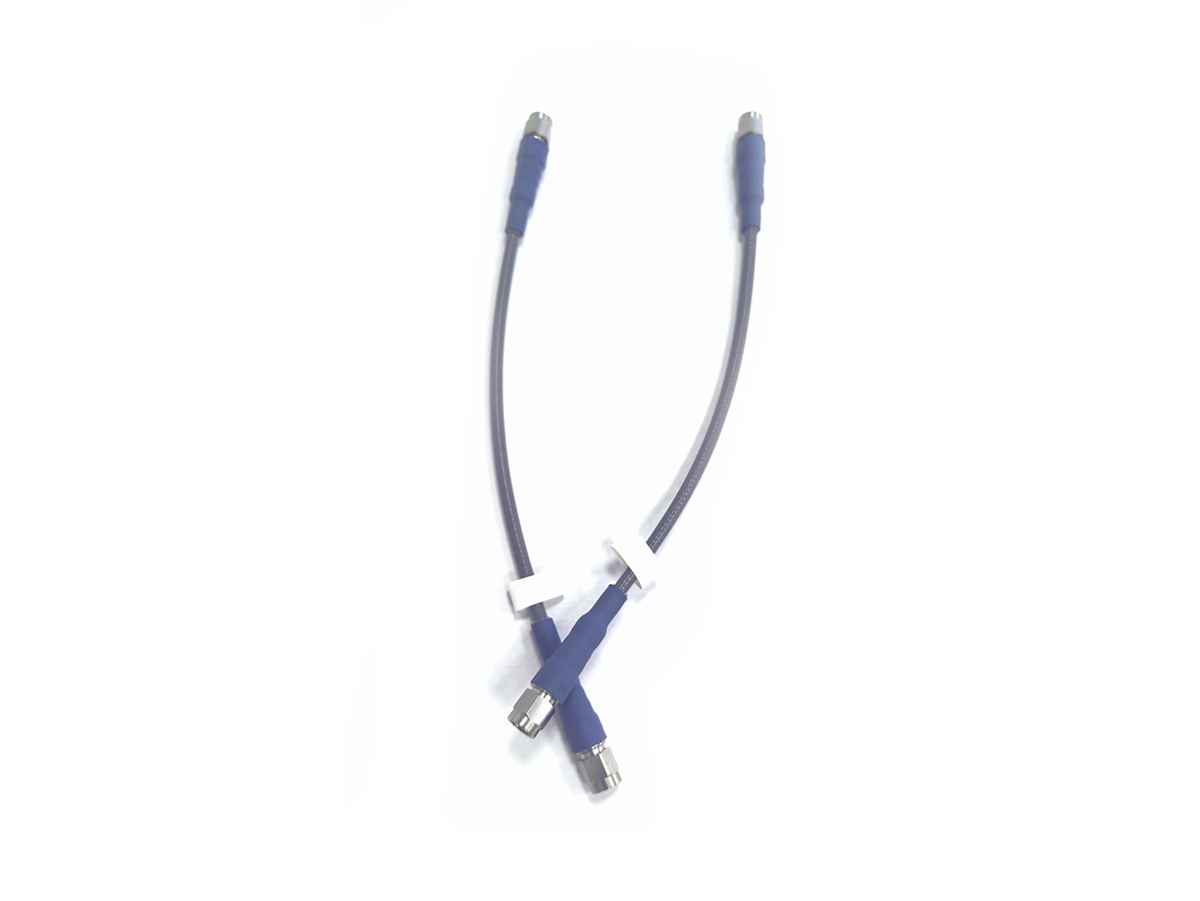
When it comes to communication systems, having the right equipment can make all the difference. Enter the low loss coaxial cable, a game-changer in the world of data transmission. This type of cable is specifically designed to minimize signal loss, ensuring that your audio, video, and data signals maintain integrity over long distances. So, what's the big deal?
Why Choose Low Loss Coaxial Cable?
Let's break it down! Low loss coaxial cables are crafted with quality materials that help reduce the attenuation of signals. This means you get clearer sound and sharper images, which is especially crucial for applications like broadcasting, telecommunications, and high-speed internet. If you've ever faced the frustration of fuzzy images or choppy audio, you'll appreciate the difference!
How Does It Work?
Low loss coaxial cables consist of a central conductor, insulation, a metallic shield, and an outer jacket. The central conductor carries the signal, while the insulation prevents interference from external sources. The shield is essential as it keeps the signal from leaking and provides protection against electromagnetic interference. This combination allows the cable to maintain a strong signal strength, even when stretched over considerable distances.
Applications in Real Life
So, where can you find low loss coaxial cables in action? Think about your favorite TV shows or video calls with family. These cables are used in everything from satellite TV installations to internet connections. They're also prevalent in the world of professional audio and video production, where even the tiniest bit of signal loss can ruin an entire project. Talk about pressure!
Selecting the Right Type
Not all low loss coaxial cables are created equal, mind you. Depending on your specific needs, you might want to consider factors like cable length, frequency range, and the environment in which the cable will be used. For example, outdoor installations require cables that can withstand harsh weather conditions. On the flip side, indoor cables might prioritize flexibility and ease of installation.
Installation Tips
Alright, let's get practical! When installing low loss coaxial cable, it's vital to avoid sharp bends or kinks. These can cause damage and lead to increased signal loss. Instead, go for gentle curves and ensure that the cable is adequately secured to prevent any movement. Also, using quality connectors can enhance performance, so don't skimp on that!
Final Thoughts
In a nutshell, low loss coaxial cables are a must-have for anyone serious about maintaining high-quality signal transmission. Whether you're upgrading your home entertainment system or working on a professional project, these cables are your go-to solution. So, why settle for less when you can enjoy crisp, clear signals? Get yourself some low loss coaxial cables, and experience the difference firsthand!


Do you have Questions?
Not sure what you're looking for? Unable to find what you need?