

Understanding Low Loss Coaxial Cable: Trends and Insights
Release Date:2026-03-11


Image Source: unsplash
Introduction to Low Loss Coaxial Cable
When it comes to transmitting signals with minimal interference, the low loss coaxial cable is the unsung hero of the telecommunications world. These cables are designed to reduce attenuation, ensuring that signals travel smoothly and efficiently. But what exactly makes them so special? Let's dive into the nitty-gritty of this essential technology.
Why Low Loss Matters
In the fast-paced world of communications, every decibel counts. Low loss coaxial cables minimize signal degradation over long distances, which is crucial for maintaining quality in audio and video transmission. It's like having a conversation across a crowded room—every bit of background noise can make it harder to hear what's being said. This is why industries are increasingly turning to low loss solutions.
The Components of Low Loss Coaxial Cable
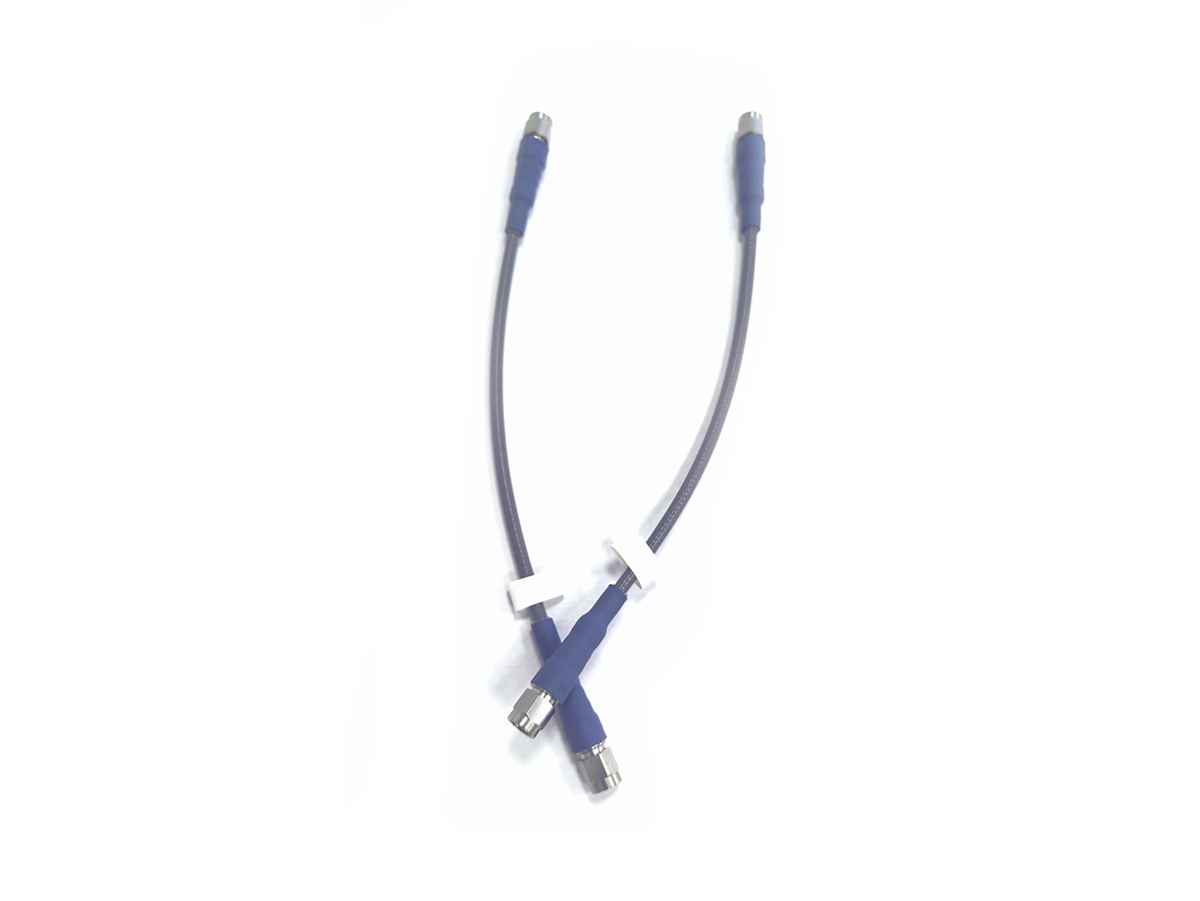
Now, let's break it down a bit. A typical coaxial cable consists of a central conductor, an insulating layer, a metallic shield, and an outer layer. The magic of low loss cables lies in the materials used. High-quality dielectric insulators reduce signal loss, while specialized shielding protects against external interference. It's all about keeping that signal strong and clear.
Applications in Various Industries
Low loss coaxial cables are not just for one type of application; they're everywhere! From broadcasting and telecommunications to satellite systems and even cable TV, these cables are the backbone of consistent communication. Think about it—without them, those binge-watching marathons would be riddled with interruptions!
Industry Trends and Innovations
As technology evolves, so do the demands on coaxial cable systems. The latest trends indicate a growing emphasis on durability and flexibility without sacrificing performance. For instance, manufacturers are exploring new materials that can withstand harsh environments while maintaining low loss characteristics. This innovation is pivotal for remote installations in challenging conditions.
Future-Proofing Communication
With the advent of 5G technology and the Internet of Things (IoT), the need for reliable, high-performance cables is more pressing than ever. Low loss coaxial cables are stepping up to the plate, providing the necessary infrastructure to support these advancements. They're becoming a vital component in ensuring that our connected world continues to thrive.
Choosing the Right Low Loss Coaxial Cable
So, you might be wondering, how do you choose the right low loss coaxial cable? It boils down to understanding your specific needs. Factors like frequency range, cable length, and environmental conditions all play a role. Plus, don't forget to consider the connector types that best suit your equipment. It's a bit like picking the right tool for the job—get it right, and everything runs smoothly.
Conclusion
In a world where connectivity is king, understanding the role of low loss coaxial cables is essential. They're not just cables; they're the lifeline of communication that keeps our modern society connected. As industries continue to adapt and innovate, these cables will undoubtedly play a crucial role in shaping the future of telecommunications. So, whether you're a tech enthusiast or a professional in the field, keeping an eye on the developments around low loss coaxial cable is certainly worthwhile!


Do you have Questions?
Not sure what you're looking for? Unable to find what you need?