

Understanding Low Loss Coaxial Cable: Common Questions Answered
Release Date:2026-03-10


Image Source: unsplash
What is Low Loss Coaxial Cable?
If you've ever dealt with audio or video systems, you might have come across the term 'low loss coaxial cable.' But what does it really mean? In the simplest terms, this type of cable is designed to minimize signal loss over distance. Whether you're setting up a home theater system or working on a professional broadcast setup, understanding the ins and outs of this technology can make all the difference!
Why Should You Use It?
Imagine you're at a concert, and the sound is crystal clear. That's the beauty of low loss coaxial cable! It helps maintain high-quality signals, reducing distortion and ensuring that what you hear or see is as true to the source as possible. This is particularly important for anyone in the broadcasting industry or those who simply want the best experience at home.
Common Questions About Low Loss Coaxial Cable
Now, let's jump into some frequently asked questions that might be bouncing around in your mind!
1. How Does Low Loss Coaxial Cable Work?
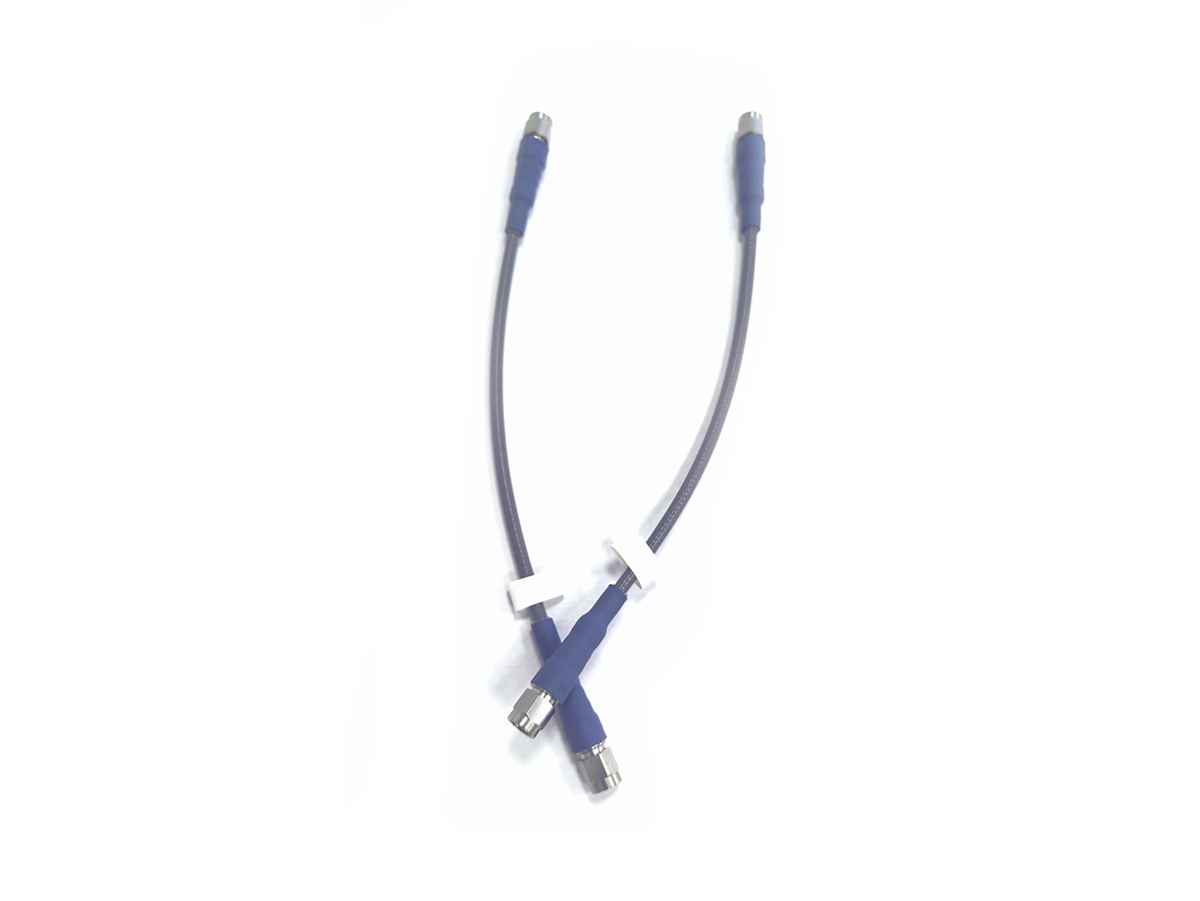
At its core, low loss coaxial cable uses a special design that includes a central conductor surrounded by insulation and an outer conductor. This construction helps to shield the signal, protecting it from interference and loss. The materials used in making these cables are also crucial; higher quality materials lead to lower loss.
2. What Are the Key Benefits?
- Minimized signal loss over long distances.
- Better performance for high-frequency applications.
- Improved overall audio and video quality.
3. How Do I Choose the Right One?
Choosing the right low loss coaxial cable can be a bit of a head-scratcher. Look for specifications such as the cable's attenuation rating, which indicates how much signal loss occurs over distance. Additionally, consider the frequency range you need the cable to support. Not all cables are created equal, so do your homework!
4. Are There Different Types?
You bet! There are several types of low loss coaxial cables, each designed for specific applications. For instance, RG-6 is popular for satellite TV and cable modems, while LMR-400 is often used in wireless communications. Knowing your needs will help you pick the right one.
5. Can I Use It for DIY Projects?
Absolutely! If you're into DIY electronics or home improvements, low loss coaxial cable can be a game changer. Just remember to follow the basics of installation to ensure you get the best performance. A little effort can lead to a huge payoff!
Final Thoughts
In the end, investing in low loss coaxial cable can significantly enhance your audio and video experiences. Whether you're a tech enthusiast or just someone who enjoys a good movie night, understanding the importance of these cables can make a world of difference. So, ready to upgrade your setup?


Do you have Questions?
Not sure what you're looking for? Unable to find what you need?