

Understanding Phase Stable Coaxial Cable: The Unsung Hero of Connectivity
Release Date:2026-03-19


Image Source: unsplash
The Unsung Hero of Connectivity
When it comes to modern communication, it's easy to overlook the unsung heroes behind the scenes. One such hero is the phase stable coaxial cable, a key player in ensuring reliable signal transmission across various devices. Whether in broadcasting, telecommunications, or even your home entertainment system, understanding how these cables work can give you a newfound appreciation for their role in our tech-driven lives.
What is a Phase Stable Coaxial Cable?
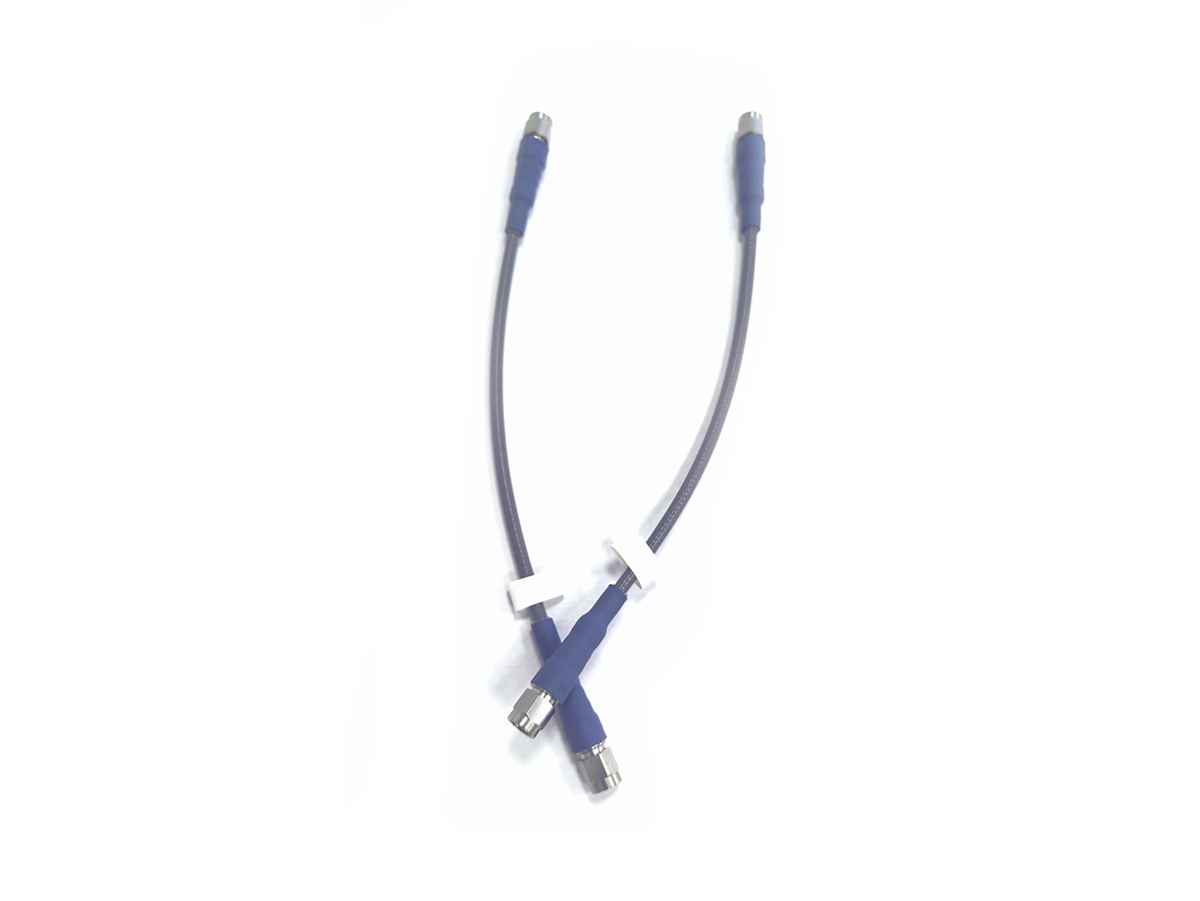
So, what exactly is this phase stable coaxial cable? In simple terms, it's a type of cable designed to maintain a consistent phase relationship in the signals it carries. This consistency is crucial, particularly in applications where timing is everything. Imagine trying to watch a live sports event; if the signal is out of sync, your experience could be ruined!
How Does It Work?
The magic of the phase stable coaxial cable lies in its unique construction. These cables consist of a central conductor, an insulating layer, a shield, and an outer jacket. Each component plays a vital role:
- Central Conductor: This is where the signal travels. Made of copper or aluminum, it's designed for minimal resistance.
- Insulating Layer: This material prevents signal loss and interference, ensuring the integrity of the signal.
- Shield: Often made of braided metal, this layer protects against electromagnetic interference, which can distort signals.
- Outer Jacket: This serves as a protective barrier against physical damage.
Now, let's talk about the phase stability itself. Unlike standard coaxial cables, which can be affected by temperature fluctuations and mechanical stress, phase stable cables are engineered to resist these changes. This means that the signal's timing remains constant, allowing for higher quality audio and video transmission.
Applications and Benefits
The versatility of the phase stable coaxial cable is impressive. Here are a few applications where this type of cable shines:
- Broadcasting: These cables are essential in TV studios for transmitting signals without loss of quality.
- Telecommunications: They play a crucial role in connecting different network components, ensuring data integrity.
- Home Theater Systems: For those who love their movies, phase stable cables can enhance sound and picture quality, making for an immersive experience.
In addition to their performance, these cables are often more durable than regular coaxial cables, making them a wise investment for anyone serious about their audio-visual setup. So, whether you're a tech guru or just someone who enjoys a good movie night, recognizing the importance of these cables can elevate your experience.
Final Thoughts
In conclusion, the phase stable coaxial cable may not be the flashiest component of your tech setup, but it's certainly one of the most important. Understanding its workings not only underscores its value but also enhances our appreciation for the technology we often take for granted. So, the next time you enjoy a flawless streaming experience or crystal-clear audio, remember the silent but reliable role of phase stable coaxial cables!


Do you have Questions?
Not sure what you're looking for? Unable to find what you need?