

Unraveling the Mystery of Phase Stable Coaxial Cable
Release Date:2026-03-20


Image Source: unsplash
Understanding Phase Stable Coaxial Cable
Let's face it—when it comes to high-frequency applications, phase stable coaxial cable is often the unsung hero. Whether you're working on intricate audio systems, broadcasting, or data communication, this type of cable plays a crucial role. So, what makes it so essential? Buckle up as we dive deep into the world of phase stable coaxial cable!
What is Phase Stable Coaxial Cable?
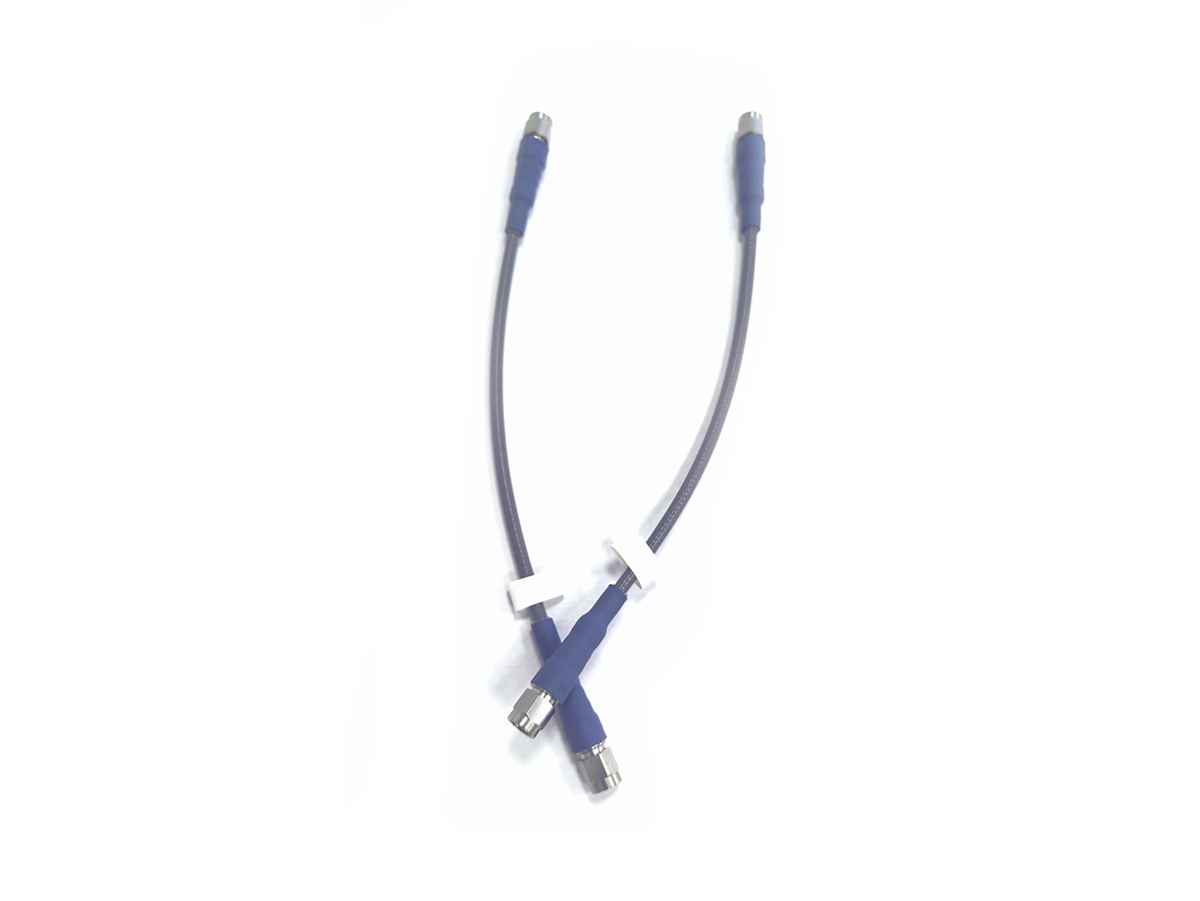
Simply put, phase stable coaxial cable is designed to maintain consistent phase characteristics over varying environmental conditions. Unlike standard coaxial cables, which might falter under pressure (literally and figuratively!), phase stable versions are crafted to endure and perform consistently. This stability is vital for applications where timing is everything.
Common Uses
From the studio to the field, these cables are everywhere! You'll find them in:
- Broadcasting systems, ensuring clear signals.
- Audio setups, where sound quality is paramount.
- Data transmission, allowing seamless communication.
Each of these applications relies heavily on the precision that phase stable coaxial cable provides.
Frequently Asked Questions
1. Why choose phase stable coaxial cable?
Great question! The primary reason is reliability. If you're dealing with high frequencies, maintaining phase integrity can make or break your project. Think about it! Would you trust a cable that could potentially alter your signal timing? No way!
2. How does it differ from standard coaxial cables?
Ah, the million-dollar question! The difference lies in the construction. Phase stable coaxial cables typically use specialized materials and designs to minimize variations caused by temperature or mechanical stress. So, while standard cables may be good enough for casual use, phase stable cables are built for precision.
3. Can I use phase stable coaxial cable for low-frequency applications?
Sure thing! While these cables are particularly beneficial for high-frequency scenarios, they can also serve well in lower frequency applications. However, if your needs are basic, you might not need to invest in phase stability—it's all about matching your tools to your tasks!
4. Are there any downsides?
Well, like anything, there are a few considerations. Phase stable coaxial cables can be pricier than their standard counterparts, so it's essential to weigh the costs against your project requirements. But in high-stakes settings, the investment often pays off!
Conclusion
So, there you have it! The phase stable coaxial cable is a cornerstone for many professional audio, video, and data communications. By maintaining phase integrity, it ensures that your signals remain clear and consistent—no matter the environment. Next time you're gearing up for a project, consider the benefits of this reliable cable. Happy wiring!


Do you have Questions?
Not sure what you're looking for? Unable to find what you need?