

Applications of LD-PTFE Low Loss Cable in Modern Telecommunications
Release Date:2026-03-22


Applications of LD-PTFE Low Loss Cable in Modern Telecommunications
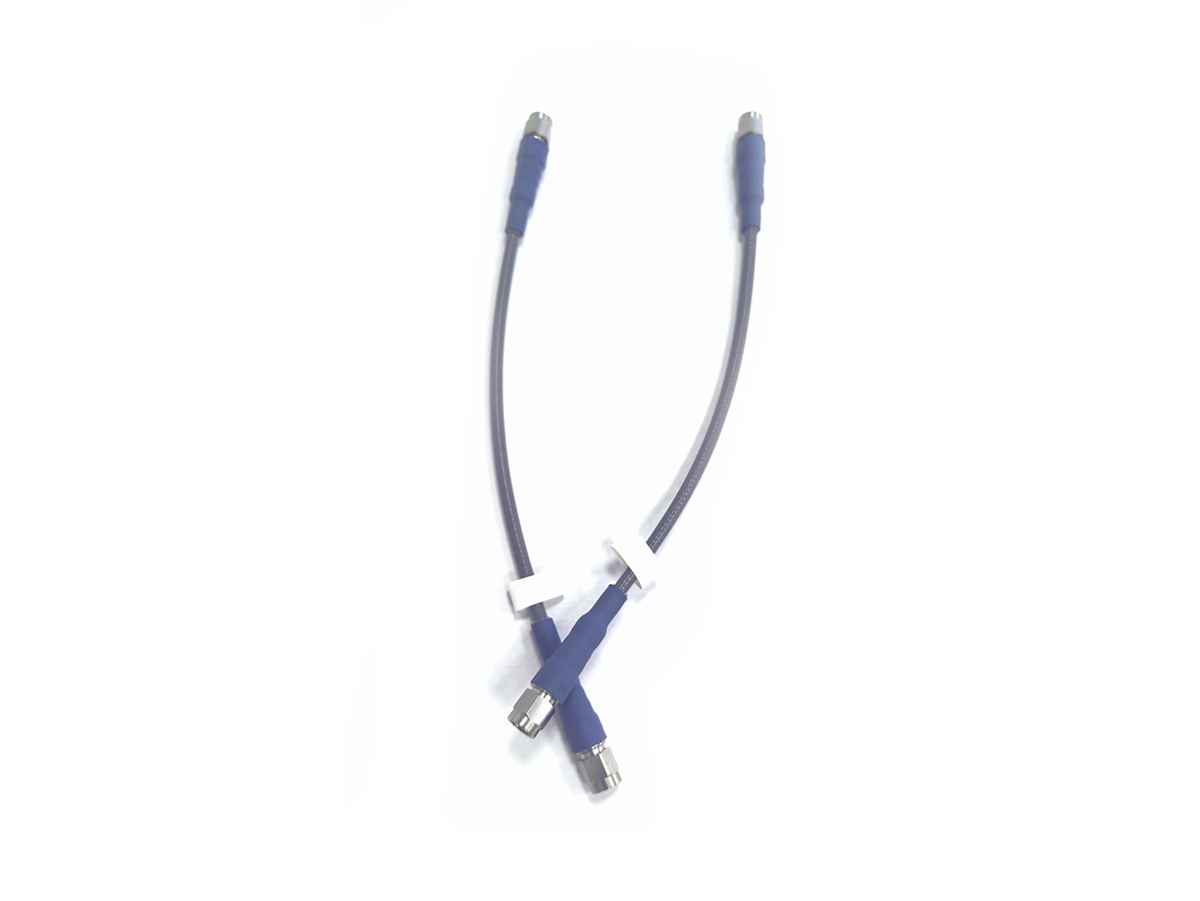
In an era where seamless communication is paramount, the efficiency of transmission mediums plays a critical role in determining the quality of connectivity. One such technological marvel that has gained prominence in modern telecommunications is the **LD-PTFE Low Loss Cable**. This article delves into the multifaceted applications of LD-PTFE low loss cables and how they are revolutionizing the telecommunications landscape.
Understanding LD-PTFE Low Loss Cable
LD-PTFE stands for **Low-Density Polytetrafluoroethylene**, a high-performance polymer that provides exceptional electrical insulation. Low loss cables made from this material are engineered to minimize signal degradation during transmission, making them ideal for telecommunications applications.
Key Characteristics of LD-PTFE Low Loss Cable
1. **Low Signal Attenuation**: One of the most significant advantages of LD-PTFE low loss cables is their ability to maintain signal integrity over long distances. This is crucial for telecommunications where data must travel across vast networks without loss.
2. **High Frequency Performance**: These cables can effectively transmit high-frequency signals, making them suitable for advanced technologies such as 5G and beyond.
3. **Temperature Resistance**: LD-PTFE cables exhibit excellent thermal stability, allowing them to function effectively in a wide range of environmental conditions.
4. **Chemical Resistance**: The material is resistant to corrosion and degradation from various chemicals, enhancing its durability in various installations.
5. **Flexibility and Lightweight**: This cable type is lighter and more flexible than traditional copper or other cable types, simplifying installation processes.
Applications in Telecommunications
The versatility of LD-PTFE low loss cables makes them suitable for a range of telecommunications applications. Here, we explore some of the most impactful uses.
1. Cellular and Mobile Networks
As mobile technology evolves, the demand for higher data rates and faster connectivity has surged. LD-PTFE low loss cables are instrumental in connecting base stations to antennas, ensuring minimal signal loss, especially in high-frequency environments. Their lightweight nature allows for easy installation on tower structures.
2. Fiber Optic Systems
While fiber optics dominate high-speed data transmission, LD-PTFE cables play a supportive role. They are utilized in the coaxial links that connect fiber optic systems, where maintaining signal quality is essential. These cables contribute to the seamless integration of optical networks and enhance overall performance.
3. 5G Infrastructure
The rollout of 5G technology necessitates innovative solutions to handle increased bandwidth and lower latency. LD-PTFE low loss cables fit perfectly into this landscape, providing the necessary infrastructure for 5G antennas and small cell sites, ensuring optimal signal transmission without degradation.
4. Satellite Communications
In satellite communication, signal clarity is paramount. LD-PTFE cables are used in applications that require long-distance signal transmission, such as ground stations and satellite uplink/downlink systems. Their low attenuation properties enhance the reliability of these critical communications links.
5. Radio Frequency (RF) Systems
For RF applications, LD-PTFE cables excel in preserving signal strength over extended distances. They are widely used in military communications, broadcasting, and other RF applications where reliable and efficient signal transmission is required.
6. Internet of Things (IoT)
With the rise of IoT devices, which require constant connectivity and data transmission, LD-PTFE cables provide the backbone for effective communication. Their capabilities support various IoT applications, from smart homes to industrial automation, ensuring robust connectivity.
7. Data Centers and Network Infrastructure
Data centers require reliable cabling solutions to support high-speed data transfer. LD-PTFE low loss cables are employed in interconnects and distribution systems, providing the efficiency needed for data-heavy operations while reducing energy consumption.
Advantages of LD-PTFE Low Loss Cables
Understanding the advantages of LD-PTFE cables can illuminate why they are becoming the preferred choice in telecommunications.
Enhanced Performance and Efficiency
LD-PTFE cables maintain signal integrity, minimizing losses and enhancing the efficiency of communication networks. This translates to improved user experiences and higher overall productivity.
Cost-Effectiveness
While the initial investment may be higher than traditional cables, the long-term savings from reduced signal loss, lower maintenance costs, and fewer replacements make LD-PTFE cables a cost-effective solution.
Environmental Resilience
These cables can withstand harsh environmental conditions, making them ideal for outdoor installations. Their durability reduces the need for frequent replacements and repairs, contributing to sustainability.
Future-Proof Technology
As telecommunications technology continues to advance, the demand for high-performance cabling solutions will grow. LD-PTFE low loss cables are designed to meet the evolving needs of modern communication systems, making them a future-proof investment.
Challenges and Considerations
Despite the numerous advantages, there are challenges associated with LD-PTFE low loss cables that users must consider.
Installation Complexity
While flexible, LD-PTFE cables can be more challenging to install than conventional cables. Proper training and expertise are required to ensure correct installation and optimal performance.
Cost Considerations
The initial cost can deter some businesses from transitioning to LD-PTFE cables. However, weighing the long-term benefits against the upfront costs is essential for informed decision-making.
Availability and Supply Chain Issues
As demand for advanced cabling solutions increases, availability can become an issue. Ensuring a steady supply chain is critical for organizations looking to adopt LD-PTFE low loss cables.
Future Trends in Telecommunications Cabling
As technology evolves, so does the need for innovative cabling solutions. The future of telecommunications will likely see increased reliance on LD-PTFE low loss cables as industries seek to enhance connectivity and data transfer rates.
Integration with Emerging Technologies
Technologies such as Artificial Intelligence (AI) and Machine Learning (ML) are expected to integrate with telecommunications systems, necessitating advanced cabling solutions like LD-PTFE cables that can support high data throughput.
Focus on Sustainability
The telecommunications industry is increasingly prioritizing sustainability. LD-PTFE cables contribute to environmental goals by having a longer lifespan and reducing energy consumption during transmission.
Frequently Asked Questions (FAQs)
What is LD-PTFE Low Loss Cable made of?
LD-PTFE low loss cables are primarily made from low-density polytetrafluoroethylene, a high-performance polymer known for its excellent insulation properties.
Why are LD-PTFE cables preferred in telecommunications?
Their low signal attenuation, high-frequency performance, and durability make LD-PTFE cables a preferred choice in telecommunications, particularly for high-speed data transfer.
What applications benefit most from LD-PTFE cables?
LD-PTFE cables are highly beneficial in cellular networks, satellite communications, data centers, and 5G infrastructure, among other areas.
Are LD-PTFE cables cost-effective in the long run?
Yes, while they may have a higher upfront cost, their durability and low maintenance requirements can lead to significant long-term savings.
How do LD-PTFE cables compare to traditional copper cables?
LD-PTFE cables generally offer lower signal loss, better high-frequency performance, and increased resistance to environmental factors compared to traditional copper cables.
Conclusion
The **LD-PTFE Low Loss Cable** represents a significant advancement in telecommunications technology, addressing the ever-growing demands for efficient, high-quality communication. With its outstanding performance characteristics and versatility, it is clear that LD-PTFE cables are not just a passing trend—they are an essential component of modern telecommunications infrastructure. As we continue to innovate and expand our connectivity capabilities, LD-PTFE cables will undoubtedly play a vital role in shaping the future of communication.


Do you have Questions?
Not sure what you're looking for? Unable to find what you need?