

Understanding Low Skew Differential Signal Cables: Essential Insights for Professionals
Release Date:2026-03-24


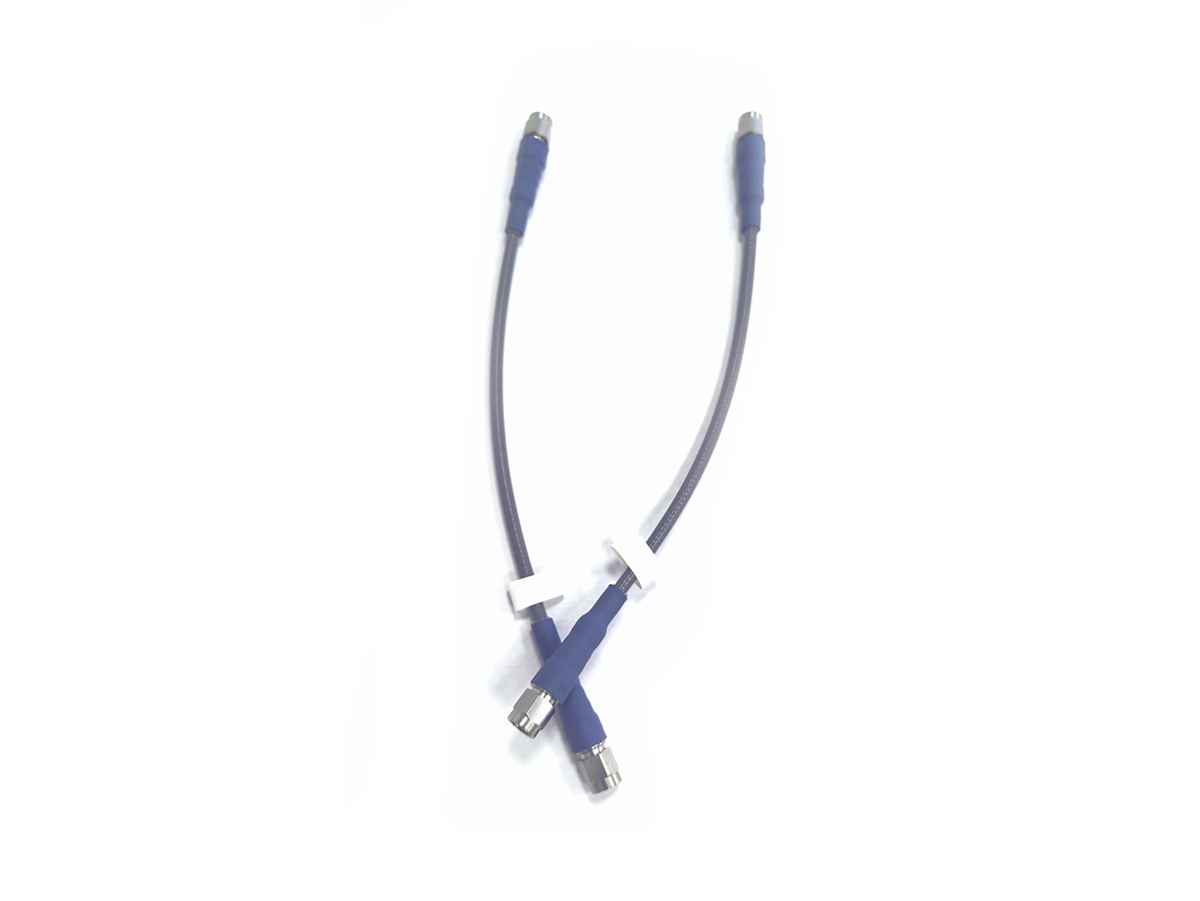
Low skew differential signal cables play an essential role in ensuring high-speed data transmission while minimizing signal integrity issues. These cables are particularly valuable in environments where timing and synchronization are critical, such as in telecommunications, data centers, and other high-frequency applications.
A differential signal consists of two complementary signals that are transmitted simultaneously over twisted pairs or coaxial cables. This approach effectively cancels out common-mode noise, improving the clarity and reliability of the transmitted data. Low skew refers to the minimal difference in propagation delay between the two signals, which is crucial in maintaining signal integrity over longer distances.
One of the primary advantages of low skew differential signal cables is their improved performance in high-speed applications. As data rates increase, even minor variations in signal timing can lead to significant errors. By using low skew cables, professionals can ensure that signals arrive at their destination simultaneously, thereby reducing the chance of data corruption and enhancing overall system performance.
Furthermore, low skew differential signal cables are designed to handle various frequencies without compromising their effectiveness. They are built with high-quality materials and advanced manufacturing techniques, allowing them to excel in demanding environments. The selection of appropriate insulation and shielding materials also plays a vital role in minimizing external interference, which can distort signals and degrade performance.
When choosing low skew differential signal cables for specific applications, several key factors must be considered. First, ensure that the cable meets the required specifications for the data transmission standards in use. This includes checking for compatible connectors, impedance, and overall cable length. Additionally, it is essential to evaluate the environmental conditions in which the cables will be installed, as factors like temperature, humidity, and exposure to chemicals can affect the cable's long-term performance.
In summary, low skew differential signal cables are indispensable in modern electrical systems requiring reliable data transmission. Their unique design minimizes propagation delay discrepancies, enabling the seamless transfer of information in high-speed applications. By choosing the right low skew cables and considering essential factors during implementation, professionals can significantly enhance the efficiency and reliability of their communication systems.
A differential signal consists of two complementary signals that are transmitted simultaneously over twisted pairs or coaxial cables. This approach effectively cancels out common-mode noise, improving the clarity and reliability of the transmitted data. Low skew refers to the minimal difference in propagation delay between the two signals, which is crucial in maintaining signal integrity over longer distances.
One of the primary advantages of low skew differential signal cables is their improved performance in high-speed applications. As data rates increase, even minor variations in signal timing can lead to significant errors. By using low skew cables, professionals can ensure that signals arrive at their destination simultaneously, thereby reducing the chance of data corruption and enhancing overall system performance.
Furthermore, low skew differential signal cables are designed to handle various frequencies without compromising their effectiveness. They are built with high-quality materials and advanced manufacturing techniques, allowing them to excel in demanding environments. The selection of appropriate insulation and shielding materials also plays a vital role in minimizing external interference, which can distort signals and degrade performance.
When choosing low skew differential signal cables for specific applications, several key factors must be considered. First, ensure that the cable meets the required specifications for the data transmission standards in use. This includes checking for compatible connectors, impedance, and overall cable length. Additionally, it is essential to evaluate the environmental conditions in which the cables will be installed, as factors like temperature, humidity, and exposure to chemicals can affect the cable's long-term performance.
In summary, low skew differential signal cables are indispensable in modern electrical systems requiring reliable data transmission. Their unique design minimizes propagation delay discrepancies, enabling the seamless transfer of information in high-speed applications. By choosing the right low skew cables and considering essential factors during implementation, professionals can significantly enhance the efficiency and reliability of their communication systems.


Do you have Questions?
Not sure what you're looking for? Unable to find what you need?