

Exploring Aerospace LVDS Cables: Essential Knowledge for Professionals in the Electrical and Electronics Industry
Release Date:2026-04-01


In the rapidly evolving landscape of aerospace technology, the demand for high-performance data communication systems is paramount. One of the most crucial components in fulfilling this requirement is the Low-Voltage Differential Signaling (LVDS) cable. The aerospace LVDS cable plays an integral role in ensuring reliable and efficient data transmission in various aerospace applications.
LVDS technology is characterized by its ability to transmit data over twisted pair cables while minimizing electromagnetic interference (EMI). This is especially important in aerospace environments, where multiple electronic systems operate in close proximity, and any disruption could lead to critical failures. The inherent design of LVDS enables it to maintain signal integrity over long distances, making it ideal for use in aircraft systems, satellite communications, and avionics.
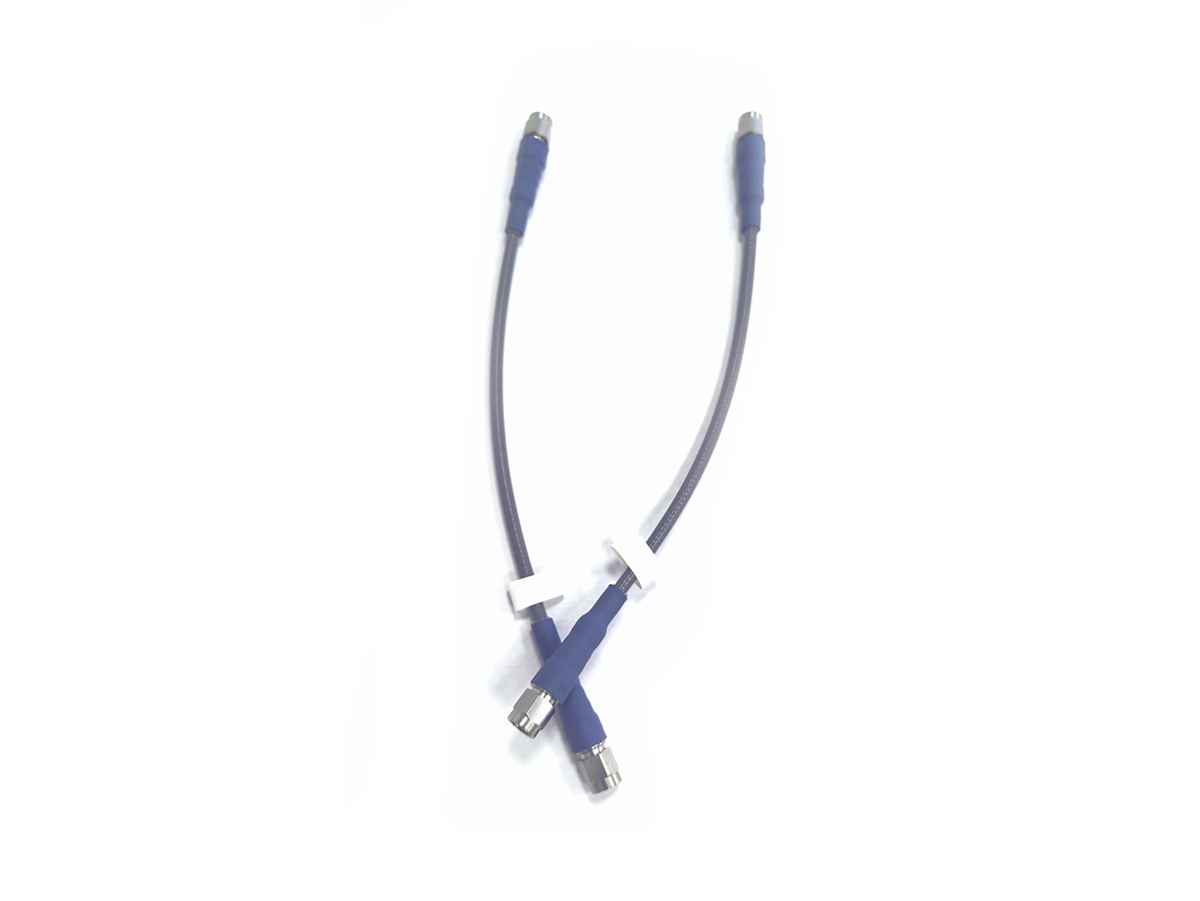
Aerospace LVDS cables are typically constructed with high-quality materials that can withstand extreme conditions, including temperature fluctuations, humidity, and vibration. These cables often feature a robust shielding design that further protects against external interference, ensuring that the data transmitted remains accurate and reliable. The flexibility and durability of these cables make them suitable for installation in confined spaces within aircraft, where weight and space are significant concerns.
The applications of aerospace LVDS cables are varied and encompass numerous systems within the aerospace industry. They are commonly used in flight control systems, real-time data acquisition systems, and in-flight entertainment systems. The ability to transmit high-speed data without significant latency allows for enhanced operational efficiency and improved safety standards.
As the aerospace industry continues to evolve, the importance of high-speed data communication systems will only increase. Professionals in the electrical and electronics field must stay informed about the latest advancements in cable technology, including aerospace LVDS cables, to meet the growing demands of modern aerospace applications.
In summary, understanding aerospace LVDS cables is essential for professionals in the electrical and electronics sector. Their unique properties and applications make them a critical component in the aerospace industry, ensuring reliable data transmission in increasingly complex systems. As technology advances, staying educated about these cables will enable industry professionals to contribute to the development of safer, more efficient aerospace systems.
LVDS technology is characterized by its ability to transmit data over twisted pair cables while minimizing electromagnetic interference (EMI). This is especially important in aerospace environments, where multiple electronic systems operate in close proximity, and any disruption could lead to critical failures. The inherent design of LVDS enables it to maintain signal integrity over long distances, making it ideal for use in aircraft systems, satellite communications, and avionics.
Aerospace LVDS cables are typically constructed with high-quality materials that can withstand extreme conditions, including temperature fluctuations, humidity, and vibration. These cables often feature a robust shielding design that further protects against external interference, ensuring that the data transmitted remains accurate and reliable. The flexibility and durability of these cables make them suitable for installation in confined spaces within aircraft, where weight and space are significant concerns.
The applications of aerospace LVDS cables are varied and encompass numerous systems within the aerospace industry. They are commonly used in flight control systems, real-time data acquisition systems, and in-flight entertainment systems. The ability to transmit high-speed data without significant latency allows for enhanced operational efficiency and improved safety standards.
As the aerospace industry continues to evolve, the importance of high-speed data communication systems will only increase. Professionals in the electrical and electronics field must stay informed about the latest advancements in cable technology, including aerospace LVDS cables, to meet the growing demands of modern aerospace applications.
In summary, understanding aerospace LVDS cables is essential for professionals in the electrical and electronics sector. Their unique properties and applications make them a critical component in the aerospace industry, ensuring reliable data transmission in increasingly complex systems. As technology advances, staying educated about these cables will enable industry professionals to contribute to the development of safer, more efficient aerospace systems.


Do you have Questions?
Not sure what you're looking for? Unable to find what you need?