

RF Coaxial Assemblies Comprehensive Guide to Structure Performance Applications and Industry Advantages
Release Date:2026-03-31


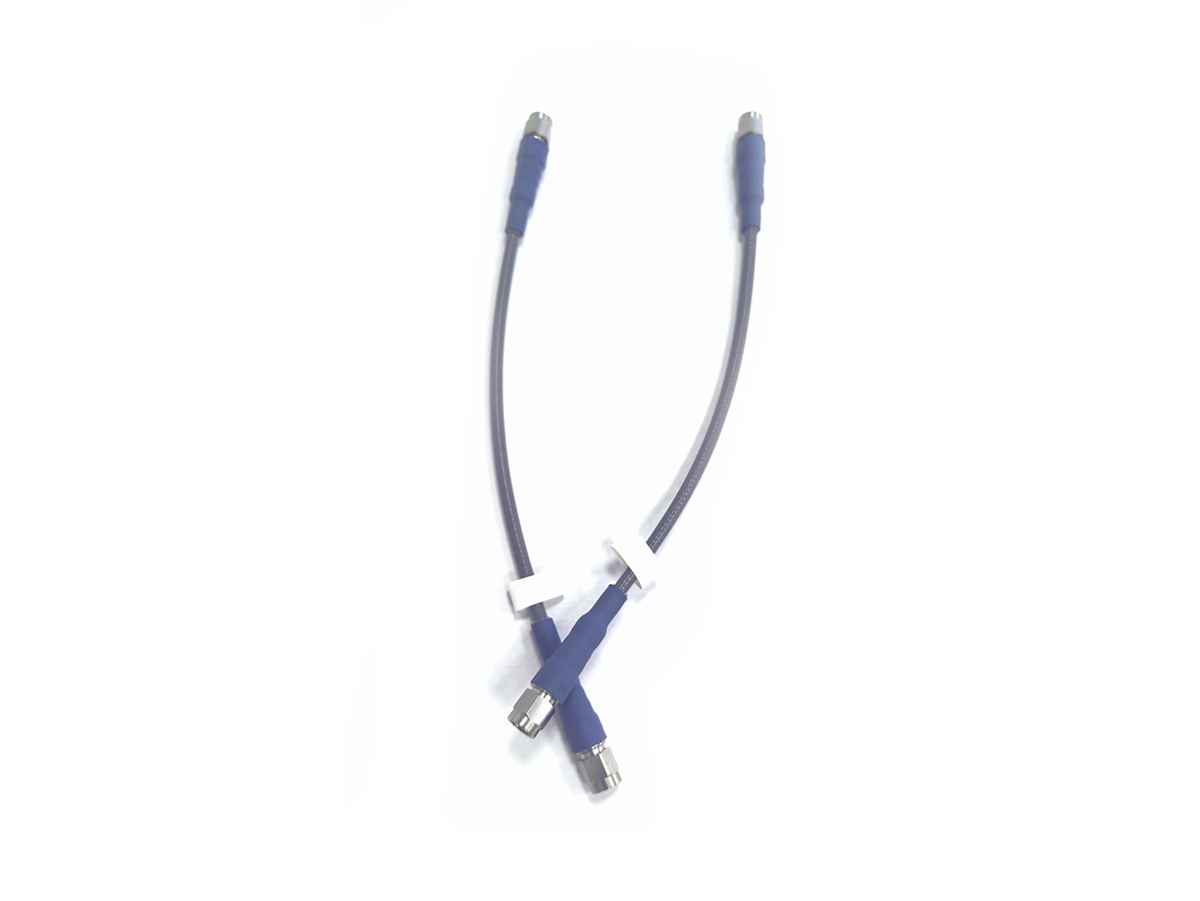
RF coaxial assemblies are specialized cable systems engineered to transmit radio frequency (RF) signals with high efficiency, low attenuation, and minimal electromagnetic interference. These assemblies are fundamental components in modern communication, electronic, and signal processing systems, ensuring reliable performance across a wide range of frequencies from MHz to GHz and beyond.
A typical RF coaxial assembly consists of four primary components: a central conductor, dielectric insulation, an outer conductor (shield), and a protective outer jacket. The central conductor, usually made of copper or copper-clad steel, carries the RF signal. Surrounding it is the dielectric layer, which maintains precise spacing and electrical insulation. The outer conductor, often a braided or solid metallic shield, provides a return path for the signal and protects against electromagnetic interference (EMI). Finally, the outer jacket, typically made of durable materials such as PVC, PE, or PTFE, offers mechanical protection and environmental resistance.
One of the defining characteristics of RF coaxial assemblies is their excellent shielding effectiveness. The coaxial structure confines the electromagnetic field within the cable, preventing signal leakage and protecting the transmission from external interference. This makes them highly suitable for environments with high electromagnetic noise, such as industrial facilities, broadcast stations, and dense communication networks.
Another important performance factor is impedance control. RF coaxial assemblies are designed with standard impedance values, most commonly 50 ohms and 75 ohms, depending on the application. Maintaining consistent impedance along the cable ensures minimal signal reflection and optimal power transfer, which is critical for high-frequency signal integrity.
RF coaxial assemblies are widely used across multiple industries. In telecommunications, they connect antennas, base stations, and network infrastructure, enabling reliable wireless communication. In broadcasting, they are essential for transmitting audio and video signals with high clarity. In aerospace and defense, RF coaxial assemblies are used in radar systems, satellite communication, and avionics, where performance and reliability are crucial. In the medical field, they support imaging systems, diagnostic equipment, and monitoring devices. Additionally, they are extensively used in test and measurement equipment, such as spectrum analyzers and signal generators, where precise signal transmission is required.
Connector compatibility is another key aspect of RF coaxial assemblies. These cables can be terminated with a wide range of connectors, including SMA, BNC, N-type, TNC, MCX, and more. Each connector type is designed to meet specific frequency ranges, power handling capabilities, and mechanical requirements. Customization options allow manufacturers to tailor cable length, connector configuration, and shielding performance to suit specific applications.
Durability and environmental resistance are also critical advantages. High-quality RF coaxial assemblies are designed to withstand harsh conditions, including extreme temperatures, moisture, vibration, and chemical exposure. Materials such as PTFE insulation and fluoropolymer jackets enhance thermal stability and longevity, making these assemblies suitable for demanding environments such as outdoor installations and aerospace systems.
Furthermore, RF coaxial assemblies offer excellent flexibility and ease of installation. Depending on the design, cables can be manufactured with varying degrees of flexibility, from semi-rigid to highly flexible types, allowing for easy routing in complex systems. Their robust construction ensures long service life with minimal maintenance.
With the rapid development of technologies such as 5G, Internet of Things (IoT), and high-speed data communication, the demand for high-performance RF coaxial assemblies continues to grow. These advanced applications require cables that can support higher frequencies, lower signal loss, and improved shielding performance.
In conclusion, RF coaxial assemblies are indispensable components in modern electronic and communication systems. Their superior signal transmission capabilities, strong shielding performance, precise impedance control, and adaptability make them essential for a wide range of applications. As technology continues to evolve, RF coaxial assemblies will remain a critical solution for achieving reliable and high-quality signal transmission.


Do you have Questions?
Not sure what you're looking for? Unable to find what you need?