

LD-PTFE Low Loss Cable vs. Traditional Cables: An In-Depth Comparative Analysis
Release Date:2026-04-07


LD-PTFE Low Loss Cable vs. Traditional Cables: A Comparative Analysis
In the rapidly evolving world of electrical engineering, cable technology plays a pivotal role in defining efficiency, performance, and safety standards. With the emergence of innovative materials like LD-PTFE (Low-Density Polytetrafluoroethylene), a significant shift is underway in how we perceive and utilize cables. This article delves into the comparative analysis of LD-PTFE Low Loss Cable and traditional cables, examining their fundamental differences, advantages, and applications.
Table of Contents
- 1. Introduction to Cable Technologies
- 2. Understanding LD-PTFE Low Loss Cable
- 3. Overview of Traditional Cables
- 4. Performance Comparison: LD-PTFE vs. Traditional Cables
- 5. Applications of LD-PTFE Low Loss Cable
- 6. Cost Analysis: LD-PTFE vs. Traditional Cables
- 7. Installation and Maintenance Considerations
- 8. Environmental Impact of Cable Materials
- 9. Frequently Asked Questions
- 10. Conclusion
1. Introduction to Cable Technologies
The demand for reliable and efficient electrical systems has led to significant advancements in cable technologies. As industries continue to evolve, the need for improved materials that enhance conductivity and reduce signal loss has become paramount. Among these innovations, LD-PTFE Low Loss Cable stands out due to its unique properties and performance metrics. This article aims to clarify the distinctions between LD-PTFE and traditional cables, providing a comprehensive analysis of their functionalities and benefits.
2. Understanding LD-PTFE Low Loss Cable
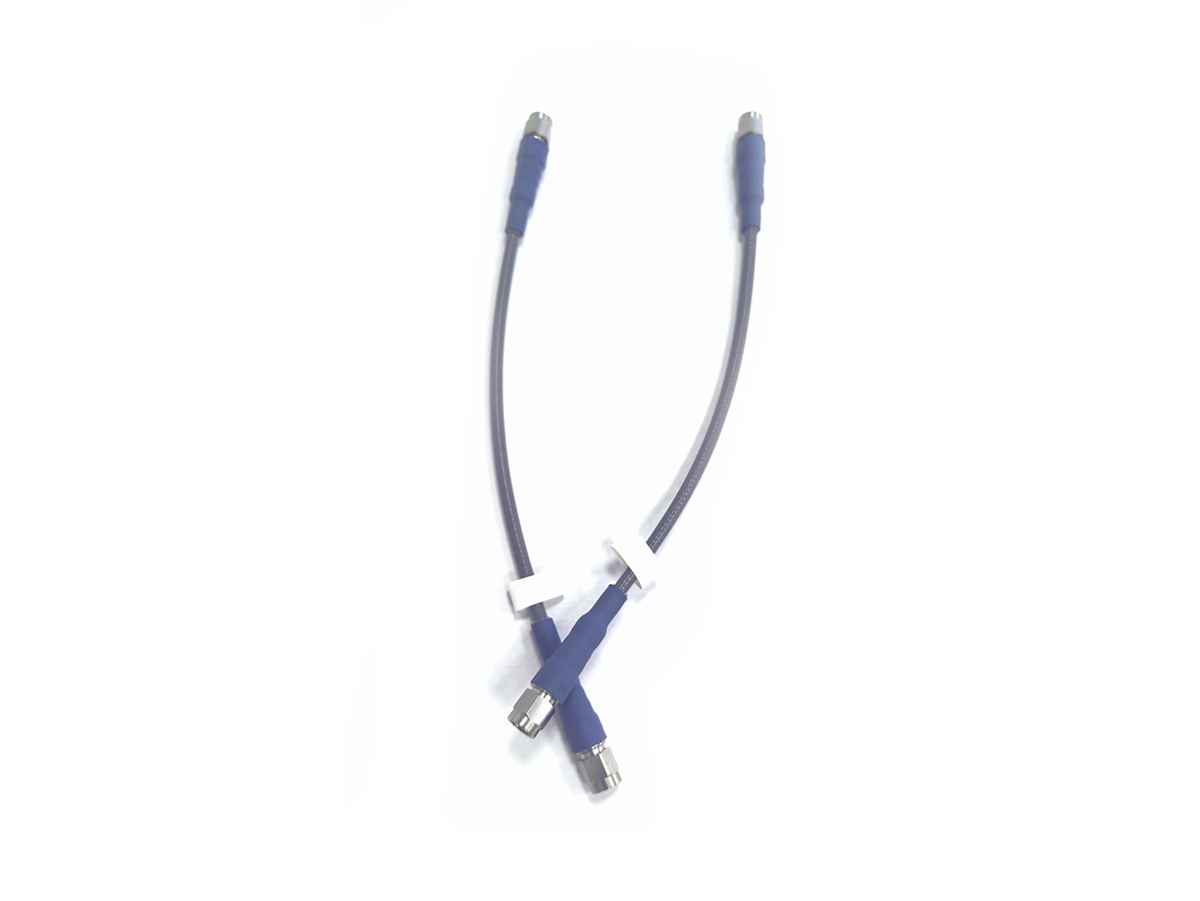
LD-PTFE Low Loss Cable is engineered from a specialized variation of PTFE, a fluoropolymer known for its excellent dielectric properties. This type of cable is specifically designed to minimize signal loss, making it ideal for high-frequency applications.
2.1 Key Features of LD-PTFE
Some of the defining characteristics of LD-PTFE include:
- Low Signal Loss: LD-PTFE cables are designed to significantly reduce attenuation, particularly at high frequencies.
- High Thermal Stability: These cables can withstand extreme temperatures, ensuring consistent performance regardless of environmental conditions.
- Chemical Resistance: The material is resistant to various chemicals, making it suitable for use in industrial applications.
- Flexibility: LD-PTFE cables are lightweight and flexible, which simplifies installation in tight spaces.
3. Overview of Traditional Cables
Traditional cables, such as those made from copper or aluminum, have been the backbone of electrical systems for decades. These cables vary in design, insulation types, and conductivity but are generally characterized by their robustness and versatility.
3.1 Common Types of Traditional Cables
Some widely used traditional cables include:
- Copper Cables: Known for their excellent conductivity but can suffer from higher signal loss compared to LD-PTFE.
- Aluminum Cables: Lightweight and cost-effective but less conductive than copper, leading to potential efficiency losses.
- Coaxial Cables: Used primarily for data transmission but can exhibit significant attenuation over long distances.
4. Performance Comparison: LD-PTFE vs. Traditional Cables
When comparing the performance of LD-PTFE Low Loss Cable with traditional cables, several factors come into play, including signal integrity, attenuation, and frequency response.
4.1 Signal Integrity
LD-PTFE cables maintain higher signal integrity at elevated frequencies, making them ideal for modern telecommunications and high-speed data applications. In contrast, traditional cables may experience greater signal degradation over distance, particularly in high-frequency scenarios.
4.2 Attenuation Rates
The attenuation rates of LD-PTFE cables are significantly lower than those of traditional cables. For instance, while traditional cables may experience a 5-10 dB loss per 100 meters, LD-PTFE cables can reduce this figure to less than 1 dB, showcasing their superiority in long-distance applications.
4.3 Frequency Response
LD-PTFE cables excel in frequency response, allowing for efficient transmission of signals up to several GHz. Traditional cables often fall short in this aspect, limiting their effectiveness in high-speed applications.
5. Applications of LD-PTFE Low Loss Cable
The unique properties of LD-PTFE Low Loss Cable make it suitable for various applications, including:
- Telecommunications: Ideal for connecting base stations and antennas, ensuring minimal signal loss.
- Broadcasting: Widely used in television and radio broadcasting due to their high-frequency capabilities.
- Aerospace: Suitable for lightweight and high-performance applications in aircraft and satellites.
- Medical Equipment: Utilized in devices that require high precision and reliability.
6. Cost Analysis: LD-PTFE vs. Traditional Cables
When evaluating cables, cost is a significant factor. LD-PTFE cables typically come at a premium due to their advanced manufacturing processes and superior performance. However, the long-term savings on maintenance and efficiency can offset the initial investment.
6.1 Initial Costs
Traditional cables may appear more cost-effective upfront, but they often require more frequent replacements and maintenance, particularly in high-demand applications.
6.2 Long-Term Savings
Investing in LD-PTFE cables can lead to substantial long-term savings by reducing signal loss, lowering energy consumption, and minimizing downtime due to cable failures.
7. Installation and Maintenance Considerations
Proper installation and maintenance are crucial for optimizing the performance of any cable. Both LD-PTFE and traditional cables have unique characteristics that influence their installation processes.
7.1 Installation Procedures
LD-PTFE cables are generally easier to install in confined spaces due to their flexibility and lightweight design. Traditional cables may require more robust supports and management systems to ensure proper installation and minimize wear.
7.2 Maintenance Requirements
While traditional cables may require regular inspections and replacements due to wear and tear, LD-PTFE cables often have a longer lifespan and require less frequent maintenance, making them a preferred option for many industries.
8. Environmental Impact of Cable Materials
The environmental impact of cables is an increasingly important consideration in today’s eco-conscious market. LD-PTFE cables are often regarded as more environmentally friendly due to their durability and longevity, which reduces landfill waste.
8.1 Recycling and Disposal
Traditional cables can pose disposal challenges as they may contain materials that are less environmentally friendly. LD-PTFE, while not biodegradable, can be recycled in specialized facilities, promoting a more sustainable cycle.
8.2 Carbon Footprint
By reducing the need for replacements and minimizing energy losses, LD-PTFE cables can contribute to a lower overall carbon footprint compared to traditional cables.
9. Frequently Asked Questions
9.1 What is the main advantage of LD-PTFE Low Loss Cable?
The primary advantage of LD-PTFE Low Loss Cable is its significantly lower signal loss compared to traditional cables, making it ideal for high-frequency applications.
9.2 How does LD-PTFE perform in extreme temperatures?
LD-PTFE cables exhibit high thermal stability, allowing them to perform effectively in extreme temperature conditions without compromising signal quality.
9.3 Are LD-PTFE cables more expensive than traditional cables?
While LD-PTFE cables may have a higher upfront cost, their long-term performance and reduced maintenance needs can lead to cost savings over time.
9.4 Can LD-PTFE cables be used in industrial settings?
Yes, LD-PTFE cables are suitable for various industrial applications due to their chemical resistance and durability.
9.5 What should I consider when choosing between LD-PTFE and traditional cables?
Consider factors such as the application environment, required performance levels, budget, and long-term maintenance needs when making your decision.
10. Conclusion
In conclusion, the choice between LD-PTFE Low Loss Cable and traditional cables hinges on specific application needs and long-term goals. While traditional cables have served various industries effectively, LD-PTFE cables offer distinct advantages in terms of performance, efficiency, and environmental impact. As technology continues to advance, embracing innovative solutions like LD-PTFE can lead to significant improvements in electrical systems, driving the industry toward a more efficient and sustainable future.


Do you have Questions?
Not sure what you're looking for? Unable to find what you need?