

Understanding Low Skew Differential Signal Cables: What You Need to Know
Release Date:2026-04-09


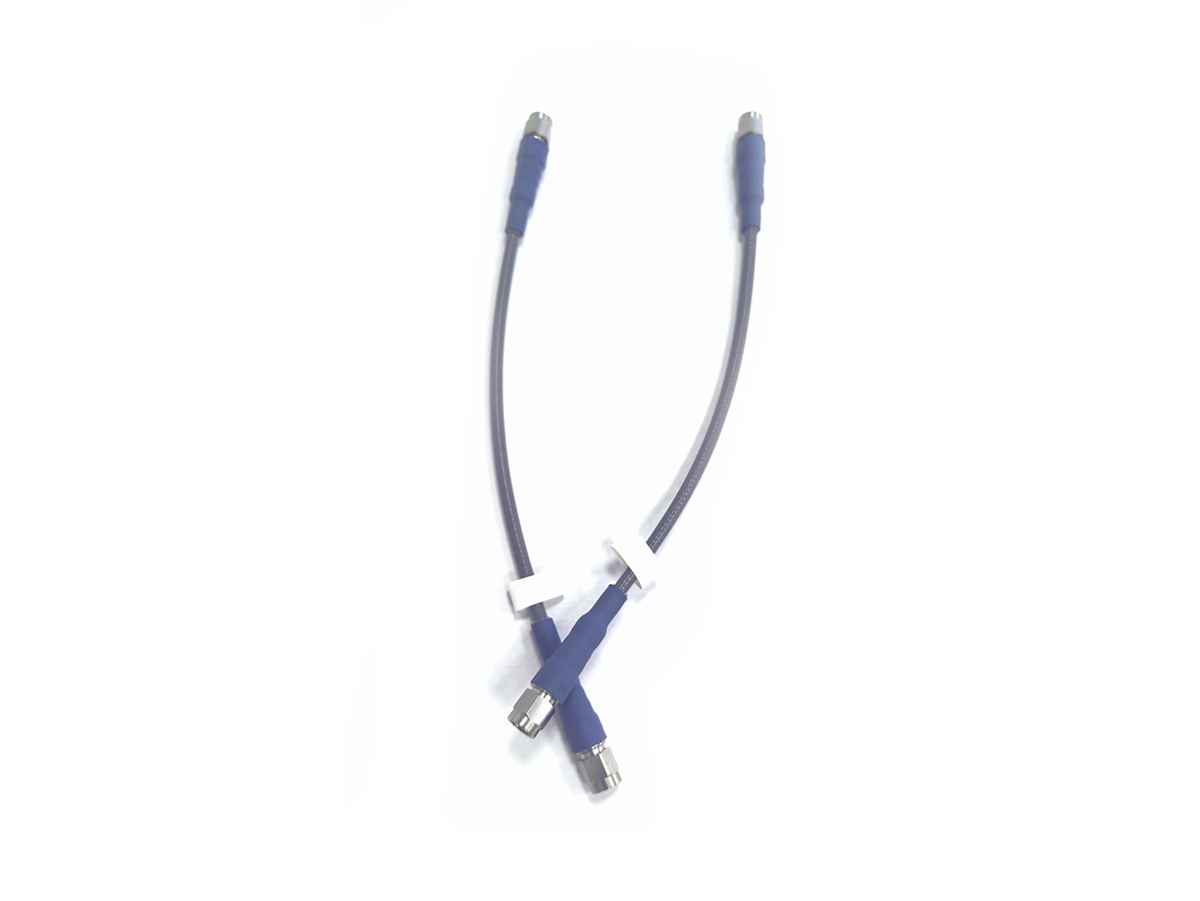
Low skew differential signal cables are integral components in modern electrical and electronic systems, particularly in applications where high-speed data transmission is critical. These cables are designed to minimize timing discrepancies between the positive and negative signals, ensuring that the signals arrive at their destination simultaneously. This feature is crucial for maintaining data integrity, especially in environments where signal clarity is paramount.
One of the key attributes of low skew differential signal cables is their impedance matching. Proper impedance matching is essential to reduce reflections that can lead to signal degradation. By maintaining a consistent impedance along the length of the cable, these cables help in achieving maximum power transfer and low signal loss, which is vital for high-frequency applications.
In addition to their electrical characteristics, low skew differential signal cables also offer mechanical benefits. They are often constructed using high-quality materials that enhance durability and flexibility. This makes them suitable for various installations, including those in tight spaces where movement and bending may occur. The robust construction also ensures that these cables can withstand environmental factors, such as temperature variations and electromagnetic interference, which can be detrimental to signal integrity.
When selecting low skew differential signal cables, it's also essential to consider the shielding options available. Shielding protects the cables from external noise and interference, preserving the quality of the transmitted signals. There are various shielding methods, including foil and braided shields, which can be tailored to specific application requirements.
Another important aspect of these cables is their application versatility. Low skew differential signal cables are widely used in numerous fields, including telecommunications, data centers, and industrial automation. They are particularly beneficial in high-speed communication systems, such as HDMI or USB interfaces, where signal timing is crucial for performance.
Moreover, investing in high-quality low skew differential signal cables can lead to improved system performance and reliability. In any electrical system, the quality of the cabling can significantly influence overall operation, making it essential to choose cables that meet high standards of performance.
In conclusion, understanding the features and benefits of low skew differential signal cables is vital for anyone involved in electrical and electronic systems. By ensuring optimal signal integrity, durability, and compatibility with various applications, these cables play a crucial role in advancing technology and enhancing communication systems. Whether you are designing a new system or upgrading existing infrastructure, consider the advantages that low skew differential signal cables can offer.
One of the key attributes of low skew differential signal cables is their impedance matching. Proper impedance matching is essential to reduce reflections that can lead to signal degradation. By maintaining a consistent impedance along the length of the cable, these cables help in achieving maximum power transfer and low signal loss, which is vital for high-frequency applications.
In addition to their electrical characteristics, low skew differential signal cables also offer mechanical benefits. They are often constructed using high-quality materials that enhance durability and flexibility. This makes them suitable for various installations, including those in tight spaces where movement and bending may occur. The robust construction also ensures that these cables can withstand environmental factors, such as temperature variations and electromagnetic interference, which can be detrimental to signal integrity.
When selecting low skew differential signal cables, it's also essential to consider the shielding options available. Shielding protects the cables from external noise and interference, preserving the quality of the transmitted signals. There are various shielding methods, including foil and braided shields, which can be tailored to specific application requirements.
Another important aspect of these cables is their application versatility. Low skew differential signal cables are widely used in numerous fields, including telecommunications, data centers, and industrial automation. They are particularly beneficial in high-speed communication systems, such as HDMI or USB interfaces, where signal timing is crucial for performance.
Moreover, investing in high-quality low skew differential signal cables can lead to improved system performance and reliability. In any electrical system, the quality of the cabling can significantly influence overall operation, making it essential to choose cables that meet high standards of performance.
In conclusion, understanding the features and benefits of low skew differential signal cables is vital for anyone involved in electrical and electronic systems. By ensuring optimal signal integrity, durability, and compatibility with various applications, these cables play a crucial role in advancing technology and enhancing communication systems. Whether you are designing a new system or upgrading existing infrastructure, consider the advantages that low skew differential signal cables can offer.


Do you have Questions?
Not sure what you're looking for? Unable to find what you need?