

Choosing the Right RG316 Coaxial Cable Assembly for Your Needs
Release Date:2026-04-19


Choosing the Right RG316 Coaxial Cable Assembly for Your Needs
Table of Contents
1. Introduction to RG316 Coaxial Cables
2. Key Features of RG316 Coaxial Cable Assemblies
3. Understanding the Specifications: What Matters Most
3.1 Impedance and Its Importance
3.2 Frequency Range and Signal Quality
3.3 Cable Length Considerations
4. Applications of RG316 Coaxial Cables
5. Factors to Consider When Choosing RG316 Coaxial Cables
5.1 Connector Types
5.2 Environmental Factors
5.3 Budget Constraints
6. Common Mistakes to Avoid
7. Tips for Proper Installation
8. Frequently Asked Questions (FAQs)
9. Conclusion
1. Introduction to RG316 Coaxial Cables
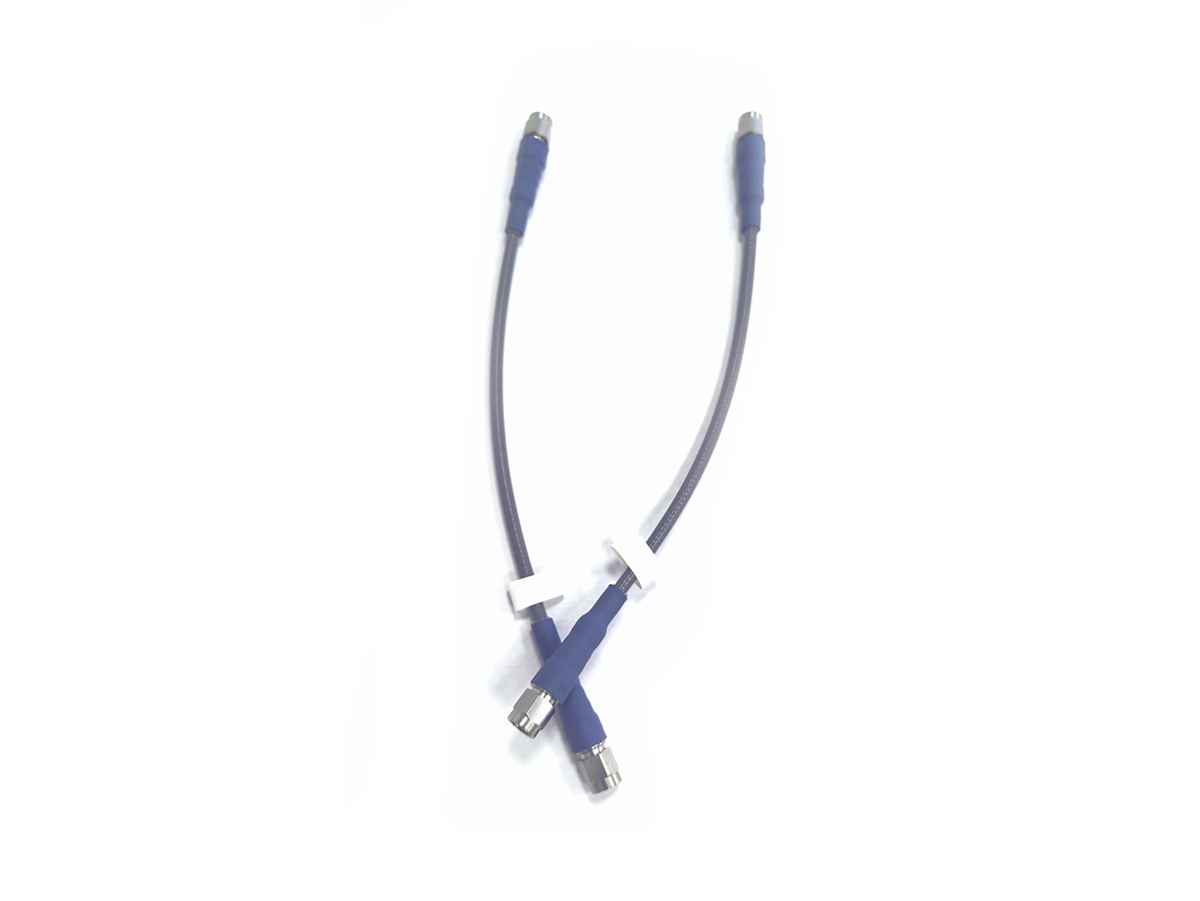
The RG316 coaxial cable assembly is a versatile and widely used component in many electronic applications. This cable type is favored for its ability to maintain signal integrity over a range of frequencies, making it ideal for radio frequency (RF) and microwave communications. Understanding how to choose the right RG316 coaxial cable assembly is crucial for ensuring optimal performance in your projects.
2. Key Features of RG316 Coaxial Cable Assemblies
RG316 coaxial cables are characterized by several key features that set them apart from other cable types. These features include:
- **Low loss**: RG316 is designed to minimize signal loss, making it suitable for long-distance transmissions.
- **Flexibility**: RG316 cables are more flexible than standard coaxial cables, allowing for easier installation in tight spaces.
- **Durability**: With excellent resistance to heat and chemicals, RG316 cables are well-suited for various environments.
3. Understanding the Specifications: What Matters Most
When selecting an RG316 coaxial cable assembly, understanding its specifications is essential. This section highlights the key specifications that influence performance and usability.
3.1 Impedance and Its Importance
Impedance is a critical factor in coaxial cables, typically measured in ohms (Ω). For RG316 cables, the standard impedance is 50Ω, which is ideal for RF applications. Choosing a cable with the proper impedance ensures maximum power transfer and minimizes signal reflection.
3.2 Frequency Range and Signal Quality
RG316 coaxial cables operate effectively across a wide frequency range, typically from DC to 6 GHz. Understanding the frequency requirements of your application is vital to ensure that the chosen cable assembly will maintain the integrity and quality of the transmitted signal.
3.3 Cable Length Considerations
The length of the coaxial cable can significantly impact signal strength. Longer cables can lead to increased attenuation, causing a loss of signal quality. When selecting an RG316 cable assembly, consider the optimal length to balance convenience and performance.
4. Applications of RG316 Coaxial Cables
RG316 coaxial cables are used in various applications, including:
- **Antenna connections**: Ideal for connecting antennas in communication systems.
- **RF transmitters and receivers**: Essential for maintaining signal quality in RF systems.
- **Test equipment**: Commonly used in laboratory settings for signal testing and measurement.
- **Video transmission**: Suitable for transmitting video signals in specialized environments.
5. Factors to Consider When Choosing RG316 Coaxial Cables
Choosing the correct RG316 coaxial cable assembly involves considering several factors that can impact overall performance.
5.1 Connector Types
Different connector types can affect compatibility and ease of installation. Common connectors for RG316 cables include SMA, BNC, and TNC connectors. Ensure the connector type is compatible with your devices to avoid installation issues.
5.2 Environmental Factors
Consider the environment where the cable will be used. If the cable will be exposed to extreme temperatures or harsh chemicals, select a variant specifically designed for such conditions.
5.3 Budget Constraints
While it's essential to invest in quality, budget constraints can also influence your decision. Determine a reasonable budget and look for RG316 assemblies that offer the best performance within that range.
6. Common Mistakes to Avoid
When choosing an RG316 coaxial cable assembly, avoid these common mistakes:
- **Neglecting cable length**: Ensure the length meets your requirements to prevent signal loss.
- **Overlooking connector compatibility**: Check that the connectors match your devices.
- **Ignoring environmental conditions**: Select cables designed for the specific conditions of your application.
7. Tips for Proper Installation
To ensure optimal performance from your RG316 coaxial cable assembly, consider the following installation tips:
- **Minimize bends**: Avoid sharp bends in the cable, which can lead to signal degradation.
- **Secure connections**: Ensure that all connections are tight to prevent signal loss.
- **Use proper tools**: Utilize appropriate tools for cutting and stripping the cable to maintain integrity.
8. Frequently Asked Questions (FAQs)
**Q1: What is the maximum frequency for RG316 coaxial cables?**
A1: RG316 coaxial cables typically operate effectively up to 6 GHz.
**Q2: Can RG316 cables be used for outdoor applications?**
A2: While RG316 cables can be used outdoors, it's essential to choose versions specifically designed for outdoor use to withstand environmental factors.
**Q3: How do I determine the right cable length for my project?**
A3: Consider the distance between devices and account for any additional length needed for routing or connection ease.
**Q4: Are RG316 coaxial cables suitable for video transmission?**
A4: Yes, RG316 cables can be used for specialized video transmission applications where low loss is required.
**Q5: What tools are necessary for installing RG316 coaxial cables?**
A5: Basic tools include a cable cutter, stripping tool, and crimping tool for connectors.
9. Conclusion
Choosing the right RG316 coaxial cable assembly is crucial for achieving optimal performance in various electronic applications. By understanding the key features, specifications, and common mistakes to avoid, we can make informed decisions tailored to our specific needs. Whether for personal or professional use, careful consideration of environmental factors, budgets, and installation practices will lead to successful outcomes in our projects. Investing time in selecting the right cable will ultimately enhance the reliability and quality of our communication systems.


Do you have Questions?
Not sure what you're looking for? Unable to find what you need?