

Understanding RG178 Coaxial Cable Assembly: Features, Applications, and Benefits
Release Date:2026-04-21


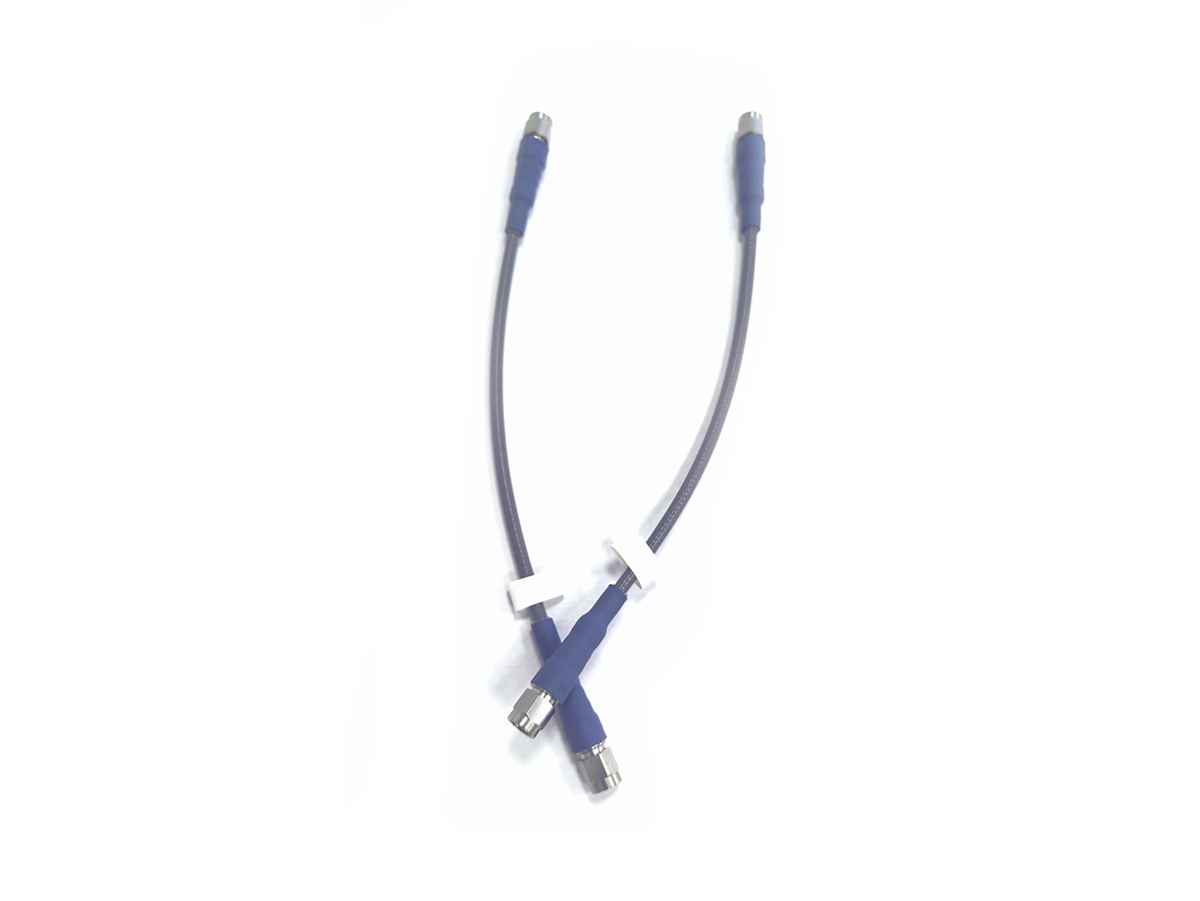
RG178 coaxial cable assembly is a popular choice for various applications requiring reliable and efficient signal transmission. This type of cable typically consists of a center conductor, an insulating layer, a shielding layer, and an outer jacket. The RG178 is designed to meet specific standards for impedance, loss, and frequency response, making it suitable for a wide range of uses, particularly in RF (radio frequency) applications.
One of the standout features of RG178 coaxial cables is their flexibility, which allows for easy installation in tight spaces. The cable is often used in applications such as antennas, communication devices, and instrumentation systems. The construction of RG178 cable includes a stranded or solid center conductor, which can be made from materials like copper, ensuring optimal conductivity. The dielectric material used provides excellent electrical insulation, crucial for maintaining signal integrity over long distances.
When it comes to shielding, RG178 coaxial cables often feature a combination of foil and braid, which effectively minimizes electromagnetic interference (EMI). This shielding is vital in environments where signals can be disrupted by external noise, ensuring that the transmitted data remains accurate and reliable. The cable typically has a characteristic impedance of 50 ohms, making it compatible with various RF systems, particularly in wireless communications.
In terms of applications, the RG178 coaxial cable assembly is widely used in telecommunications, aerospace, military, and medical devices. For instance, in aerospace applications, the lightweight and flexible nature of RG178 is advantageous for installations in aircraft where weight and space are critical factors. Furthermore, its performance under extreme conditions makes it suitable for military applications, where reliability is paramount.
The RG178 assembly can also support a range of connectors, which enhances its versatility. These connectors can be customized depending on the end-user requirements, ensuring a seamless integration into existing systems. The process of assembling RG178 cables involves precise workmanship to guarantee that the connectors are robust and securely attached, which is essential for preventing signal loss.
In conclusion, RG178 coaxial cable assemblies stand out due to their flexibility, reliable performance, and adaptability across various sectors. Their construction and shielding features make them a dependable choice for professionals looking to achieve high-quality signal transmission. Understanding the specifications and potential applications of RG178 can help engineers and technicians make informed decisions when selecting the right cable assemblies for their projects.
One of the standout features of RG178 coaxial cables is their flexibility, which allows for easy installation in tight spaces. The cable is often used in applications such as antennas, communication devices, and instrumentation systems. The construction of RG178 cable includes a stranded or solid center conductor, which can be made from materials like copper, ensuring optimal conductivity. The dielectric material used provides excellent electrical insulation, crucial for maintaining signal integrity over long distances.
When it comes to shielding, RG178 coaxial cables often feature a combination of foil and braid, which effectively minimizes electromagnetic interference (EMI). This shielding is vital in environments where signals can be disrupted by external noise, ensuring that the transmitted data remains accurate and reliable. The cable typically has a characteristic impedance of 50 ohms, making it compatible with various RF systems, particularly in wireless communications.
In terms of applications, the RG178 coaxial cable assembly is widely used in telecommunications, aerospace, military, and medical devices. For instance, in aerospace applications, the lightweight and flexible nature of RG178 is advantageous for installations in aircraft where weight and space are critical factors. Furthermore, its performance under extreme conditions makes it suitable for military applications, where reliability is paramount.
The RG178 assembly can also support a range of connectors, which enhances its versatility. These connectors can be customized depending on the end-user requirements, ensuring a seamless integration into existing systems. The process of assembling RG178 cables involves precise workmanship to guarantee that the connectors are robust and securely attached, which is essential for preventing signal loss.
In conclusion, RG178 coaxial cable assemblies stand out due to their flexibility, reliable performance, and adaptability across various sectors. Their construction and shielding features make them a dependable choice for professionals looking to achieve high-quality signal transmission. Understanding the specifications and potential applications of RG178 can help engineers and technicians make informed decisions when selecting the right cable assemblies for their projects.


Do you have Questions?
Not sure what you're looking for? Unable to find what you need?