

Unraveling the Mysteries of Aviation Data Cables and Coaxial Components
Release Date:2026-05-10


Understanding Aviation Data Cables
Aviation data cables, or aviation data lines, are essential components in modern aircraft systems. They serve as the lifelines for transmitting vast amounts of data swiftly and securely. Think of them as the nervous system of an aircraft, ensuring that every sensor and instrument communicates flawlessly. These cables are designed to withstand extreme conditions, including temperature fluctuations, vibrations, and electromagnetic interference. This durability is crucial because, in the air, reliability is non-negotiable!
The Role of RF Coaxial Lines
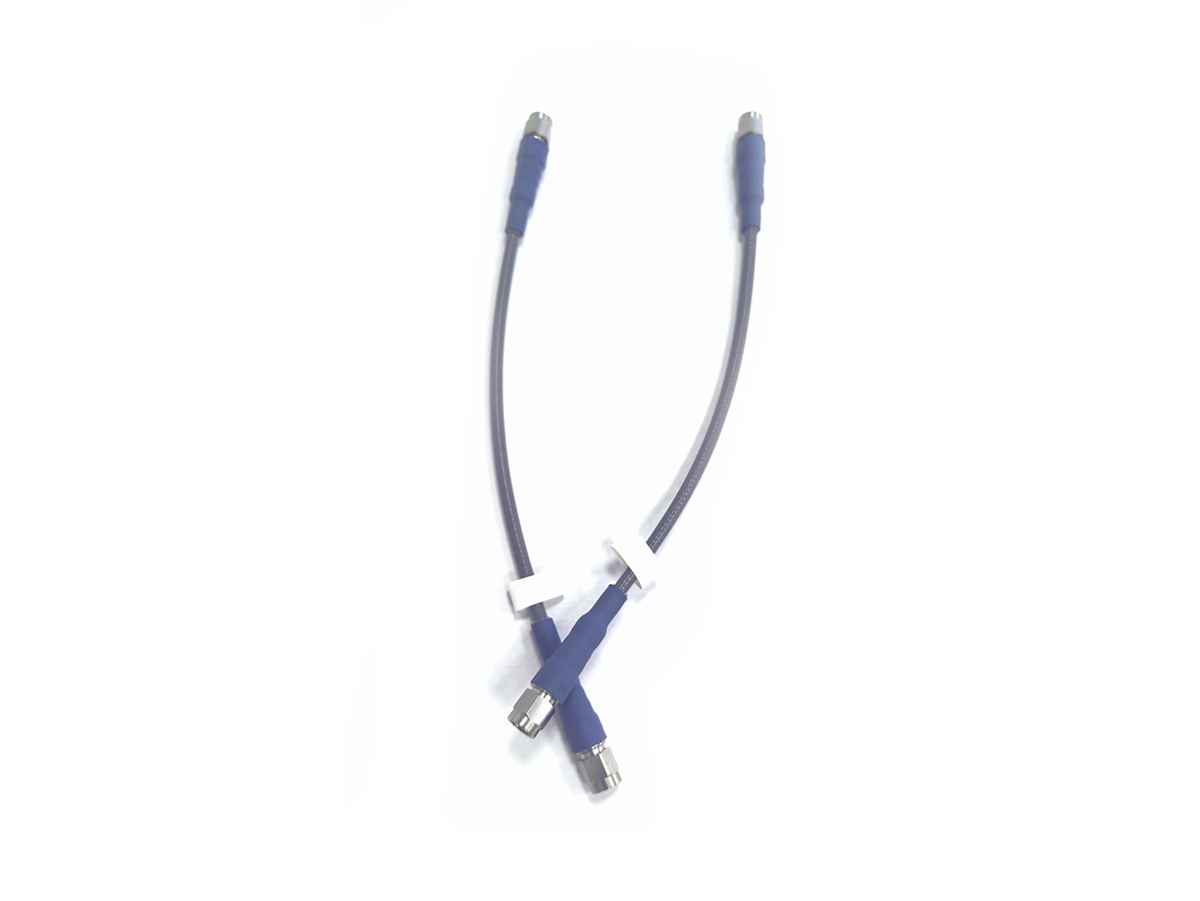
Moving on, let's talk about RF coaxial lines. These specialized cables are used to carry radio frequency signals between components, making them pivotal in communication systems. Imagine trying to have a conversation in a crowded room; without a good connection, your voice gets lost! RF coaxial lines help maintain signal integrity, ensuring that data transmitted remains clear and uninterrupted. They are commonly found in radar, telemetry, and satellite systems—vital for both civilian and military aviation.
Stable Phase Components: The Unsung Heroes
Now, let's delve into stable phase components. You might not have heard of them, but these components are the unsung heroes in ensuring that signals maintain consistent phase relationships. Why does that matter? Well, in the world of aviation, a stable phase means reliable operation, especially in systems like navigation and communication. Think of them as the steady hands of a clock, keeping everything in sync and running smoothly.
Why These Components Matter
The integration of aviation data cables, RF coaxial lines, and stable phase components is essential for achieving optimal performance in aviation systems. They work together in harmony, creating a robust infrastructure that supports everything from in-flight entertainment to critical navigation systems. Without them, the aviation industry would struggle to function at its best.
Challenges in the Industry
However, it's not all smooth sailing! The aviation sector faces challenges regarding the design and implementation of these components. For instance, manufacturers must ensure that the materials used can endure high-stress environments. Additionally, as technology advances, the demand for lighter and more efficient components continues to grow. It's a balancing act—achieving durability without compromising weight or performance.
The Future of Aviation Connectivity
As we look to the future, the evolution of aviation data cables and coaxial lines is promising. With the rise of artificial intelligence and automation in aviation, the need for advanced communication systems will only increase. Innovations like fiber optics and advanced materials are on the horizon, offering lighter, faster, and more efficient alternatives. The industry is buzzing with excitement as these technologies could redefine how we think about aviation connectivity.
Conclusion
In conclusion, the world of aviation data cables, RF coaxial lines, and stable phase components is intricate yet fascinating. These components are not just technical details; they are at the heart of safe and efficient flying. As the aviation industry continues to innovate and adapt, understanding these elements will become increasingly important for professionals and enthusiasts alike. So, the next time you board a flight, take a moment to appreciate the complex web of technology that keeps you connected and safe in the skies!


Do you have Questions?
Not sure what you're looking for? Unable to find what you need?