

Exploring the Essentials: Aircraft Data Cables and Coaxial Components
Release Date:2026-05-13


Unpacking the Essentials
In a world where connectivity is key, the importance of reliable communication systems cannot be overstated. For those in the aerospace industry, understanding the various components that facilitate seamless data transmission is crucial. Today, we're diving into the fascinating world of aircraft data cables, RF coaxial lines, and phase-stable coaxial components. Buckle up!
What Are Aircraft Data Cables?
First things first, let's talk about aircraft data cables. These specialized cables are designed to withstand the rigors of flight, including extreme temperatures and vibrations. They play a pivotal role in transmitting critical information between various systems on an aircraft, ensuring that everything runs smoothly. Just think about it: without these cables, communication between flight controls and navigation systems would be as reliable as a paper airplane in a storm!
Understanding RF Coaxial Lines
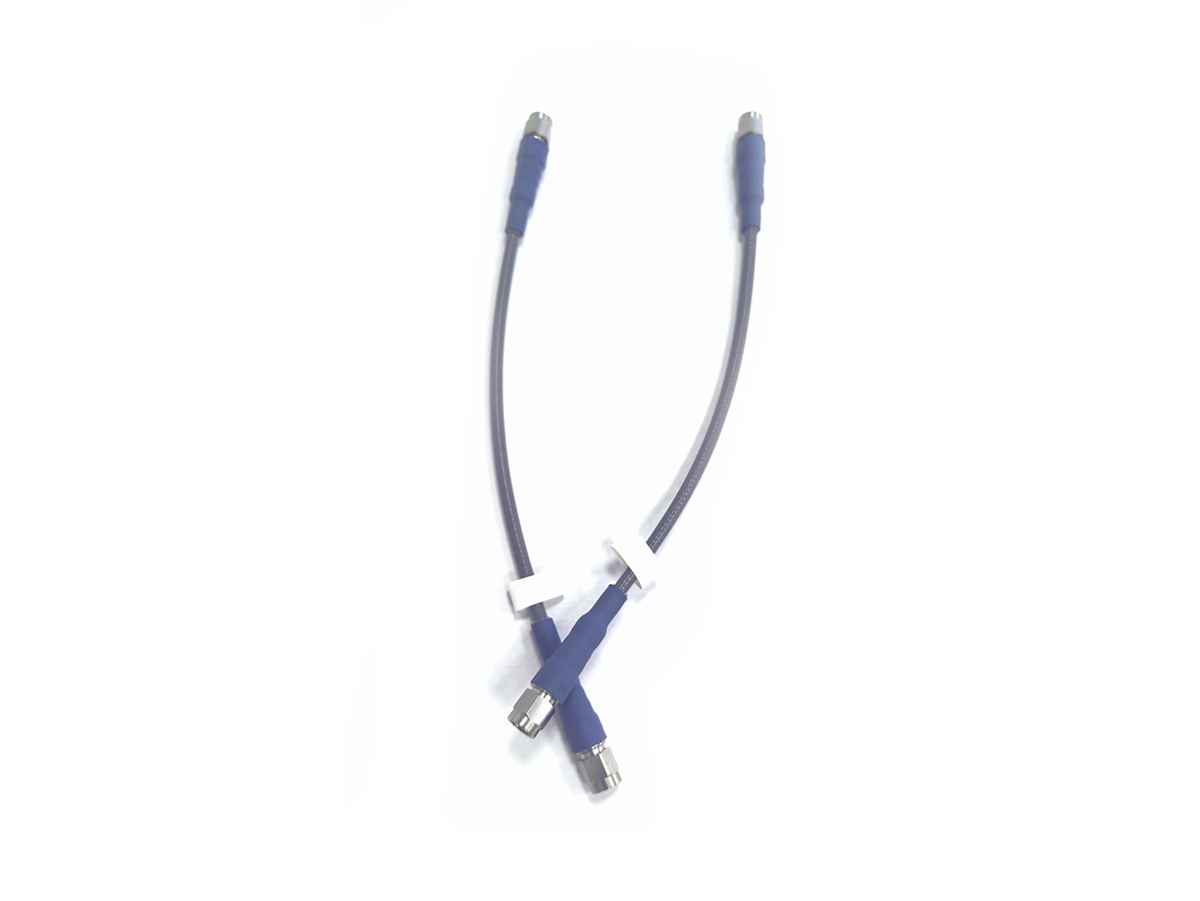
Next up, we have RF coaxial lines. These bad boys are the unsung heroes of radio frequency signal transmission. Made with a central conductor surrounded by an insulating layer and a protective outer shield, they minimize signal loss and interference, making them ideal for high-frequency applications. When you're trying to send a clear signal at thousands of feet in the air, every little bit counts!
The Magic of Phase-Stable Coaxial Components
Now, let's get into the nitty-gritty of phase-stable coaxial components. These components are engineered to maintain consistent performance over varying environmental conditions, providing reliable signal integrity. Imagine trying to communicate during turbulence—having phase-stable components ensures that your signals remain stable and clear, no matter what. It's like having a trusty co-pilot who always keeps you on course!
Why Quality Matters
When it comes to aviation, quality is not just a checkbox; it's a necessity. The components used in aircraft must meet stringent standards to ensure safety and reliability. After all, no one wants to experience technical difficulties mid-flight! Investing in high-quality aircraft data cables, RF coaxial lines, and phase-stable coaxial components can make all the difference in performance and safety.
Real-World Applications
So, where are these components used? Think avionics systems, radar equipment, and communication devices—basically, anywhere that requires reliable data transmission. They're the backbone of modern aviation, ensuring that pilots and ground control can communicate effectively, even in the most challenging conditions.
Conclusion
In summary, the world of aircraft data cables, RF coaxial lines, and phase-stable coaxial components is both intricate and vital. As technology advances, so do the demands on these components. Staying informed about their features and benefits will empower you in making decisions that enhance safety and efficiency in aviation. So next time you take to the skies, remember the unsung heroes working tirelessly behind the scenes to keep everything running smoothly!


Do you have Questions?
Not sure what you're looking for? Unable to find what you need?