

The Role of RG316 Coaxial Cable Assemblies in Broadcast Systems
Release Date:2026-05-14


The Role of RG316 Coaxial Cable Assemblies in Broadcast Systems
Table of Contents
1. Introduction to RG316 Coaxial Cable Assemblies
2. Understanding Coaxial Cable: What Sets RG316 Apart?
3. Key Features of RG316 Coaxial Cable Assemblies
4. Advantages of Using RG316 in Broadcast Systems
4.1 Enhanced Signal Integrity
4.2 Flexibility and Ease of Installation
4.3 Heat Resistance and Durability
5. Applications of RG316 Coaxial Cable Assemblies in Broadcasting
5.1 Television Broadcasting
5.2 Radio Transmission
5.3 Wireless Communication Systems
6. Comparison with Other Coaxial Cables
7. Installation Tips for RG316 Coaxial Cable Assemblies
8. Frequently Asked Questions (FAQs)
9. Conclusion
1. Introduction to RG316 Coaxial Cable Assemblies
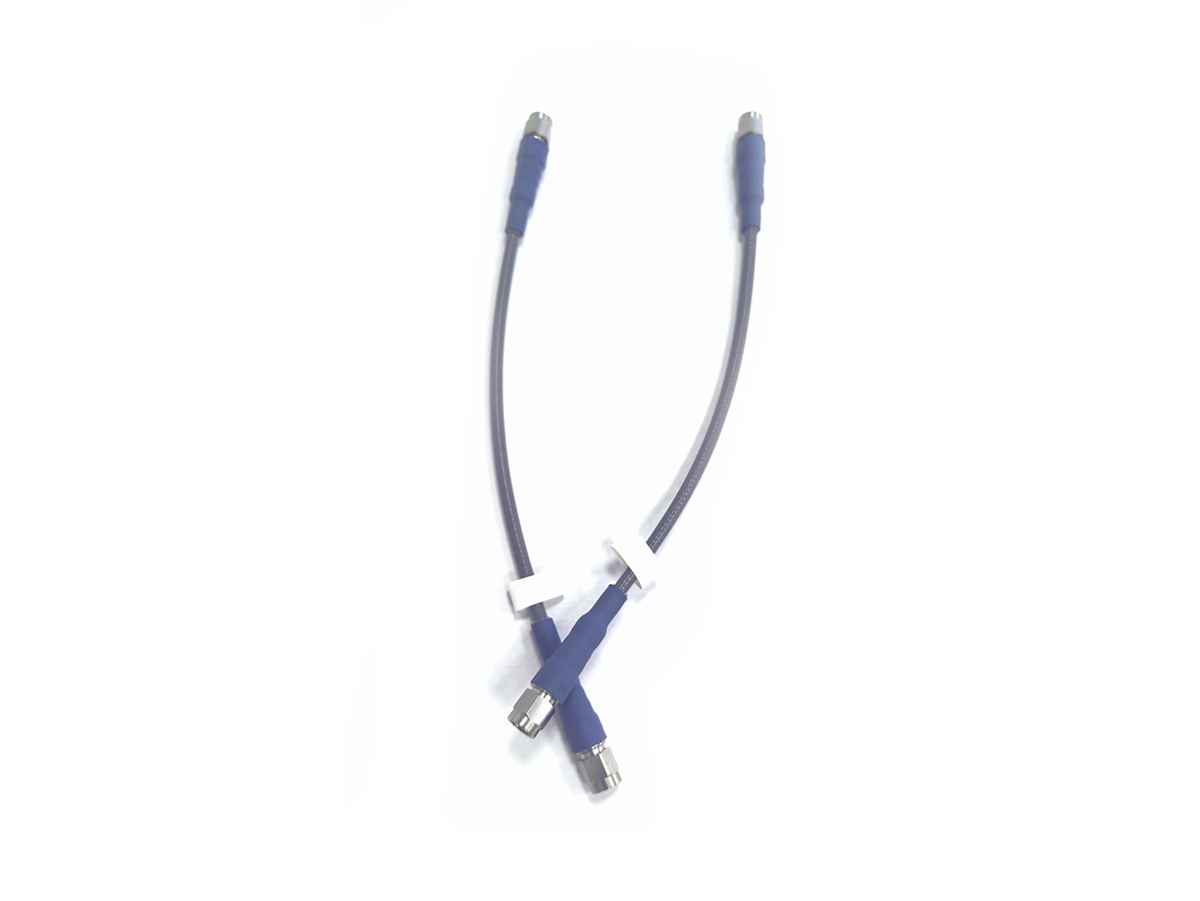
In the ever-evolving landscape of broadcast technology, **RG316 coaxial cable assemblies** stand out as a vital component for high-performance systems. These cables are specifically designed to transmit data efficiently while maintaining signal integrity, making them an essential choice for broadcasters. The construction of RG316 cables allows for minimal signal loss, ensuring that content reaches its destination without degradation.
2. Understanding Coaxial Cable: What Sets RG316 Apart?
Coaxial cables are widely utilized in various communication systems, characterized by their unique design consisting of a central conductor, an insulating layer, a metallic shield, and an outer jacket. RG316 cables, in particular, feature a **small diameter** (approximately 1.13 mm), which provides significant advantages in applications requiring compact installations. This thin profile, combined with its excellent electrical properties, positions RG316 as a preferred choice in the broadcast industry.
3. Key Features of RG316 Coaxial Cable Assemblies
The **construction** and **materials** used in RG316 cables contribute to their superior performance. Key features include:
- **Impedance:** RG316 typically has an impedance of 50 ohms, ideal for RF applications.
- **Temperature Range:** It can operate effectively in a temperature range of -55°C to +125°C, ensuring reliability in various environments.
- **Low Loss:** The cable's design minimizes signal loss over distances, which is critical in broadcast applications.
- **Shielding:** A double shield of tinned copper braid and aluminum foil protects against electromagnetic interference (EMI), ensuring clean signal transmission.
4. Advantages of Using RG316 in Broadcast Systems
Choosing RG316 coaxial cables for broadcast systems comes with several distinct advantages:
4.1 Enhanced Signal Integrity
RG316 assemblies deliver exceptional signal integrity, reducing the likelihood of interference and maintaining audio and video quality. The cable's low loss characteristics allow for longer runs without sacrificing performance.
4.2 Flexibility and Ease of Installation
The flexibility of RG316 cables makes installation in tight spaces easier. Their lightweight nature facilitates quick setups and allows for creative routing, which is particularly beneficial in complex broadcast environments.
4.3 Heat Resistance and Durability
RG316 cables are built to withstand varying temperatures and environmental conditions. Their durability ensures they stand the test of time, reducing the need for frequent replacements and maintenance.
5. Applications of RG316 Coaxial Cable Assemblies in Broadcasting
RG316 coaxial cable assemblies find applications in various areas of broadcasting:
5.1 Television Broadcasting
In television broadcasting, RG316 cables are used for connecting cameras, transmitters, and microwave links, ensuring high-quality video signals are transmitted without loss.
5.2 Radio Transmission
Radio stations rely on RG316 cables to connect antennas and transmitters, facilitating clear audio broadcasting over various distances.
5.3 Wireless Communication Systems
RG316 is also used in wireless communication systems, including mobile and satellite communications, where reliable signal transmission is paramount.
6. Comparison with Other Coaxial Cables
While various coaxial cables are available, RG316 stands out due to its unique combination of flexibility, low loss, and heat resistance. Compared to RG58 or RG174, RG316 offers better signal integrity over longer distances, making it more suitable for professional broadcast applications.
7. Installation Tips for RG316 Coaxial Cable Assemblies
Proper installation of RG316 assemblies is crucial for maximizing performance. Here are some essential tips:
- **Plan Your Routing:** Before installation, plan the cable routing to minimize bends and avoid potential interference sources.
- **Use Quality Connectors:** Ensure that high-quality connectors are used to maintain signal integrity.
- **Secure Cables Properly:** Use clips or ties to secure the cables and prevent movement, which can lead to wear over time.
- **Test After Installation:** Always perform signal testing after installation to ensure optimal performance and identify any potential issues.
8. Frequently Asked Questions (FAQs)
1. What is the maximum length of RG316 coaxial cable for optimal performance?
Optimal performance can be maintained up to 30 meters (about 98 feet) without significant signal loss. For longer runs, consider using amplifiers or repeaters.
2. Can RG316 coaxial cables be used for outdoor applications?
While RG316 is not inherently weatherproof, using it with weather-resistant jackets can make it suitable for outdoor usage.
3. What is the difference between RG316 and RG58 cables?
RG316 has a smaller diameter, offers lower loss, and is more flexible than RG58, making it more suitable for applications requiring tight bends and longer runs.
4. Is RG316 suitable for both audio and video applications?
Yes, RG316 is versatile and can be used for both audio and video signals, ensuring high-quality transmission for various broadcasting needs.
5. How do I maintain RG316 coaxial cables?
Regularly inspect cables for wear, avoid sharp bends, and ensure connectors are clean and free from corrosion to maintain performance.
9. Conclusion
In conclusion, **RG316 coaxial cable assemblies** play a crucial role in the efficiency and reliability of broadcast systems. Their unique properties, such as enhanced signal integrity, flexibility, and durability, make them a preferred choice for professionals in the broadcasting industry. As technology continues to evolve, the importance of high-quality signal transmission remains paramount, and RG316 cables are well-positioned to meet those demands. Investing in RG316 assemblies not only ensures superior performance but also enhances the overall broadcasting experience, making it a wise choice for anyone involved in the field.


Do you have Questions?
Not sure what you're looking for? Unable to find what you need?