

The Essential Guide to Aerospace LVDS Cables in Electrical Engineering
Release Date:2026-05-15


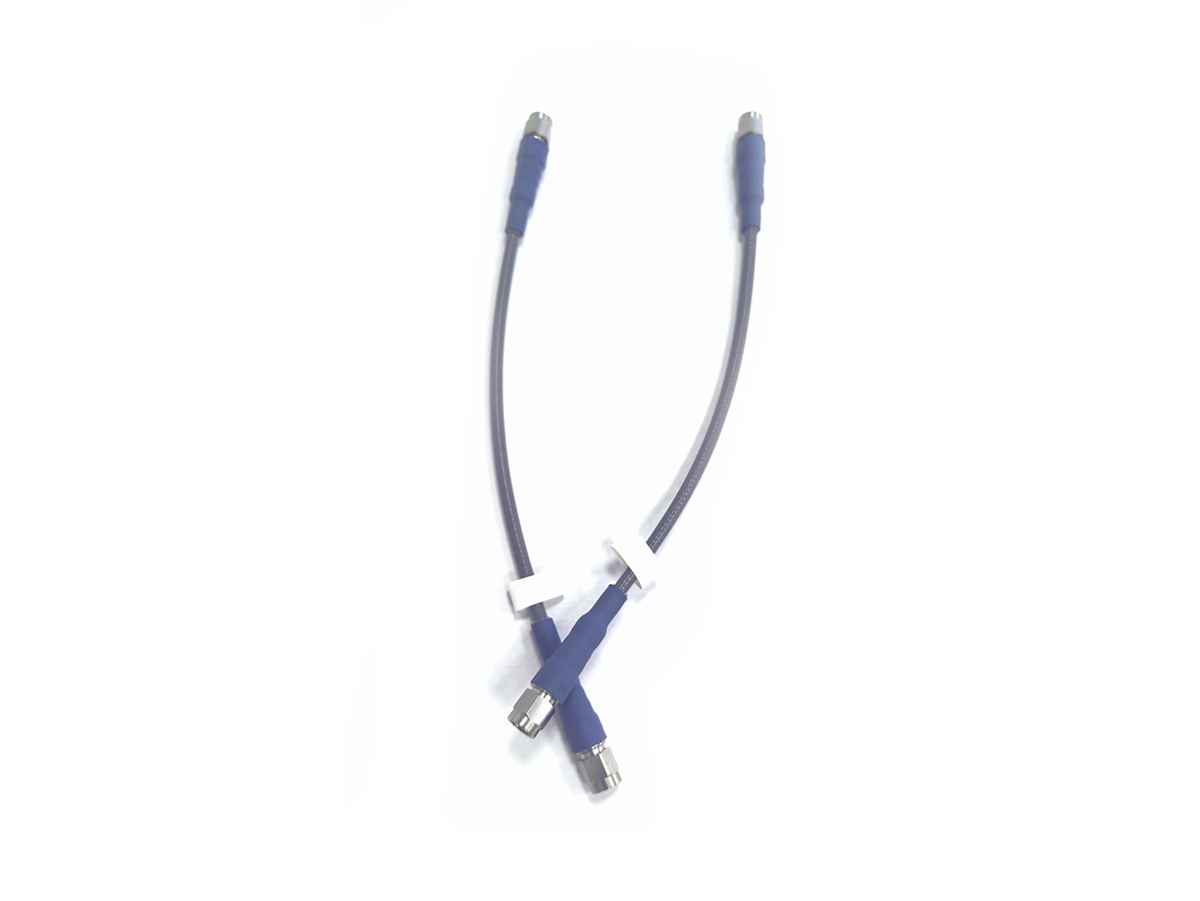
Aerospace LVDS (Low Voltage Differential Signaling) cables play a crucial role in the transmission of data in high-frequency applications, especially within the aerospace sector. These cables are designed to support the high-speed data communication requirements of modern aircraft systems, where reliability and performance are paramount.
One of the key advantages of LVDS technology is its ability to minimize electromagnetic interference (EMI), making it ideal for environments that are often saturated with electronic signals. This characteristic is particularly important in aerospace applications, where various systems must operate harmoniously without causing disruptions to one another. Furthermore, LVDS cables can transmit data over longer distances with reduced signal degradation, a vital feature for the expansive layouts found in aircraft.
In addition to their electrical performance, aerospace LVDS cables are built to withstand the harsh conditions typical of flight environments. These cables often undergo rigorous testing for temperature extremes, humidity, and mechanical stress to ensure they can endure the various challenges encountered during operation. The materials used in their construction are selected not only for electrical performance but also for durability and weight reduction, as every gram counts in aerospace engineering.
Applications of aerospace LVDS cables are diverse and encompass various systems. From flight control systems to infotainment and communication systems, these cables enable efficient data transmission while maintaining the integrity and security of the information. They are also increasingly used in the development of avionics systems, where precision and reliability are critical.
When selecting aerospace LVDS cables, professionals should consider several factors, including the cable's impedance, shielding requirements, and environmental ratings. Ensuring compatibility with existing systems and future-proofing against technological advancements is also essential. Additionally, understanding the installation and maintenance practices associated with these cables can further enhance their longevity and performance.
In conclusion, aerospace LVDS cables are integral to the efficiency and effectiveness of modern aircraft systems. Their ability to transmit data reliably while minimizing interference makes them indispensable in aerospace applications. As the industry continues to evolve, familiarity with these cables will be vital for electrical engineers and other professionals dedicated to upholding the safety and performance standards of aviation technology.
One of the key advantages of LVDS technology is its ability to minimize electromagnetic interference (EMI), making it ideal for environments that are often saturated with electronic signals. This characteristic is particularly important in aerospace applications, where various systems must operate harmoniously without causing disruptions to one another. Furthermore, LVDS cables can transmit data over longer distances with reduced signal degradation, a vital feature for the expansive layouts found in aircraft.
In addition to their electrical performance, aerospace LVDS cables are built to withstand the harsh conditions typical of flight environments. These cables often undergo rigorous testing for temperature extremes, humidity, and mechanical stress to ensure they can endure the various challenges encountered during operation. The materials used in their construction are selected not only for electrical performance but also for durability and weight reduction, as every gram counts in aerospace engineering.
Applications of aerospace LVDS cables are diverse and encompass various systems. From flight control systems to infotainment and communication systems, these cables enable efficient data transmission while maintaining the integrity and security of the information. They are also increasingly used in the development of avionics systems, where precision and reliability are critical.
When selecting aerospace LVDS cables, professionals should consider several factors, including the cable's impedance, shielding requirements, and environmental ratings. Ensuring compatibility with existing systems and future-proofing against technological advancements is also essential. Additionally, understanding the installation and maintenance practices associated with these cables can further enhance their longevity and performance.
In conclusion, aerospace LVDS cables are integral to the efficiency and effectiveness of modern aircraft systems. Their ability to transmit data reliably while minimizing interference makes them indispensable in aerospace applications. As the industry continues to evolve, familiarity with these cables will be vital for electrical engineers and other professionals dedicated to upholding the safety and performance standards of aviation technology.


Do you have Questions?
Not sure what you're looking for? Unable to find what you need?