

The Connection Between EMI Resistant Aerospace Cable and Flight Reliability: Ensuring Safety in Aviation
Release Date:2026-05-17


The Connection Between EMI Resistant Aerospace Cable and Flight Reliability
In the aviation industry, flight reliability is paramount. Every component of an aircraft plays a crucial role in ensuring that flights are safe and efficient. One of the often-overlooked aspects of this reliability is the quality and functionality of the aerospace cables used throughout the aircraft. In this article, we will explore the connection between EMI (electromagnetic interference) resistant aerospace cables and flight reliability, examining how these specialized cables enhance safety and performance in aviation.
Understanding Electromagnetic Interference (EMI)
Electromagnetic interference (EMI) refers to the disruption of electrical signals by electromagnetic fields generated by other electrical devices or systems. In an aircraft, various electronic components and devices generate electromagnetic fields, which can interfere with the signals transmitted through the aircraft's wiring. This interference can lead to failures in communication systems, navigation systems, and other critical components, ultimately affecting flight safety.
The Sources of EMI in Aviation
EMI can stem from numerous sources within and outside the aircraft. Common sources of EMI include:
- Electrical motors and engines
- Communication devices (radios, transponders)
- Navigation systems (GPS, autopilot)
- Other onboard electronic devices (cockpit displays, control systems)
Understanding these sources is essential for mitigating their effects through the proper use of EMI resistant aerospace cables.
The Importance of EMI Resistant Aerospace Cables
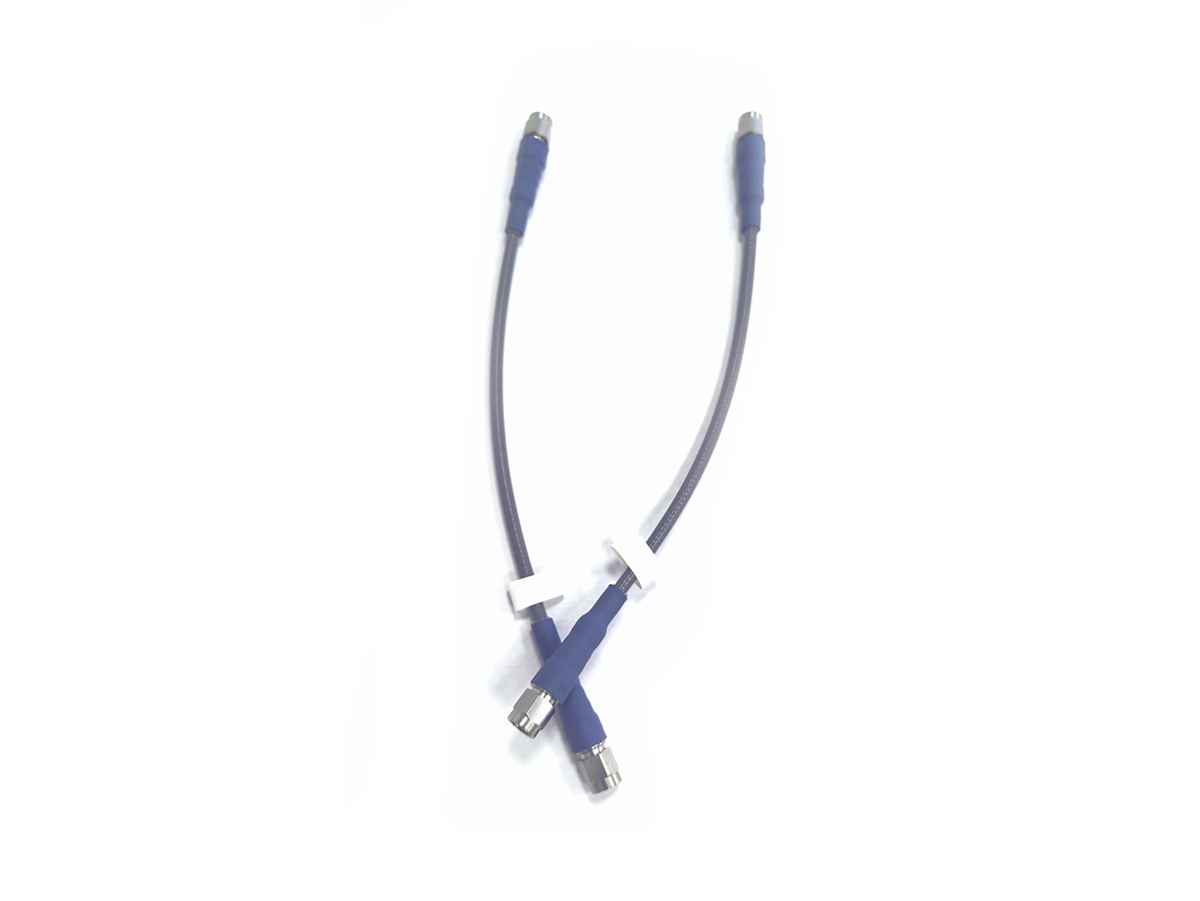
EMI resistant aerospace cables are specifically designed to withstand the disruptive effects of electromagnetic interference. These cables utilize various shielding techniques and materials to minimize susceptibility to EMI, ensuring the integrity of data transmission and power delivery within the aircraft.
Shielding Techniques in Aerospace Cables
To provide effective EMI resistance, aerospace cables employ several shielding methodologies:
- Foil Shielding: A thin layer of conductive material wrapped around the cable, which reflects and absorbs EMI.
- Braided Shielding: A woven mesh of conductive fibers that encases the cable, providing a robust defense against EMI.
- Composite Shielding: A combination of foil and braided shielding that offers enhanced protection against both low-frequency and high-frequency interference.
These shielding techniques contribute to maintaining reliable signal integrity, which is critical for safe flight operations.
Standards and Certifications for Aerospace Cables
To ensure that EMI resistant aerospace cables meet rigorous safety and performance criteria, various industry standards and certifications are established. The following are key standards related to aerospace cables:
SAE AS50881
This standard outlines the requirements for electrical cables intended for use in aerospace applications, focusing on performance in harsh environments and EMI resistance.
MIL-DTL-27500
Setting the specifications for military-grade cables, this standard addresses the design and performance requirements necessary for reliable operation in military and aerospace systems.
RTCA DO-160
This standard provides guidelines for environmental testing of avionics hardware, including testing for electromagnetic compatibility (EMC). It ensures that components, including cables, can withstand EMI while operating effectively.
Impact of EMI Resistant Cables on Flight Reliability
The integration of EMI resistant aerospace cables significantly enhances flight reliability by minimizing the risks associated with electromagnetic interference. High-quality, shielded cables ensure that communication and navigation systems function without disruption, leading to safer flight operations.
Improved Communication and Navigation Systems
Reliable communication is vital for pilots to receive critical information from air traffic control and other aircraft. EMI resistant cables enhance the performance of communication systems by reducing the likelihood of signal degradation, which can lead to miscommunication during critical flight phases.
Similarly, navigation systems depend on accurate signals to determine an aircraft's position and trajectory. By utilizing EMI resistant cables, the risk of signal interference is minimized, ensuring that pilots have the information they need to navigate safely.
The Role of Material Selection in Aerospace Cable Design
Material selection plays a crucial role in the efficacy of EMI resistant aerospace cables. The right materials not only contribute to EMI shielding but also impact the cable's durability, flexibility, and weight. Common materials used in the construction of these cables include:
Conductive Materials
Copper and aluminum are widely used due to their excellent conductivity. They are often employed in the conductor and shielding layers to ensure optimal signal transmission and EMI resistance.
Insulating Materials
High-performance insulating materials such as polyimide, fluoropolymers, and polyethylene are utilized to provide thermal stability and protection against environmental factors while maintaining lightweight design characteristics.
Composite Materials
The use of composite materials can enhance the performance of aerospace cables by providing strength and flexibility without adding significant weight. These materials can also improve EMI shielding capabilities.
Future Trends in EMI Resistant Aerospace Cables
The aerospace industry is continuously evolving, with an increasing focus on advanced technology and materials. Some emerging trends in EMI resistant aerospace cables include:
Advanced Shielding Techniques
Researchers are exploring novel shielding materials and designs to further enhance EMI resistance. Innovations such as metamaterials and nanomaterials could lead to improved performance in future aerospace applications.
Lightweight and Flexible Designs
As the push for fuel efficiency and reduced weight continues, the development of lighter, more flexible aerospace cables will be crucial. These cables will offer the same level of EMI resistance while helping aircraft achieve optimal performance.
Smart Cable Technology
Integrating smart technology into aerospace cables could provide real-time monitoring of performance, detecting potential issues related to EMI and other factors. This advancement would allow for proactive maintenance and enhanced flight reliability.
FAQs
What is EMI and why is it a concern in aviation?
Electromagnetic interference (EMI) is disruption caused by electromagnetic fields from devices that can interfere with electrical signals in aircraft systems, leading to potential failures in communication and navigation.
How do EMI resistant aerospace cables improve flight safety?
By minimizing the risks of signal degradation and ensuring reliable communication and navigation systems, EMI resistant cables contribute to overall flight safety and reliability.
What materials are commonly used in EMI resistant aerospace cables?
Commonly used materials include copper and aluminum for conductive components, along with high-performance insulating materials such as polyimide and fluoropolymers.
What standards govern the performance of aerospace cables?
Key standards include SAE AS50881, MIL-DTL-27500, and RTCA DO-160, which outline requirements for performance, durability, and EMI resistance.
What future advancements can we expect in EMI resistant aerospace cables?
Future trends may include advanced shielding techniques, lighter and more flexible designs, and the integration of smart technology for real-time monitoring of cable performance.
Conclusion
The connection between EMI resistant aerospace cables and flight reliability is integral to the safety and efficiency of modern aviation. By understanding the importance of electromagnetic interference and the role of specialized cables, industry stakeholders can make informed decisions that enhance aircraft performance. As technology continues to advance, the development of innovative materials and designs will pave the way for even greater reliability in the skies, ensuring that safety remains the top priority in aviation.


Do you have Questions?
Not sure what you're looking for? Unable to find what you need?