

How to Maintain and Care for Your EMI Resistant Aerospace Cables: A Comprehensive Guide
Release Date:2026-05-18


How to Maintain and Care for Your EMI Resistant Aerospace Cables
Table of Contents
- Introduction to EMI Resistant Aerospace Cables
- Understanding Electromagnetic Interference (EMI)
- The Importance of Maintaining Aerospace Cables
- Essential Maintenance Procedures for Aerospace Cables
- Cleaning Your EMI Resistant Aerospace Cables
- Proper Storage Tips for Aerospace Cables
- Common Mistakes to Avoid in Cable Maintenance
- When to Seek Professional Assistance
- Frequently Asked Questions
- Conclusion
Introduction to EMI Resistant Aerospace Cables
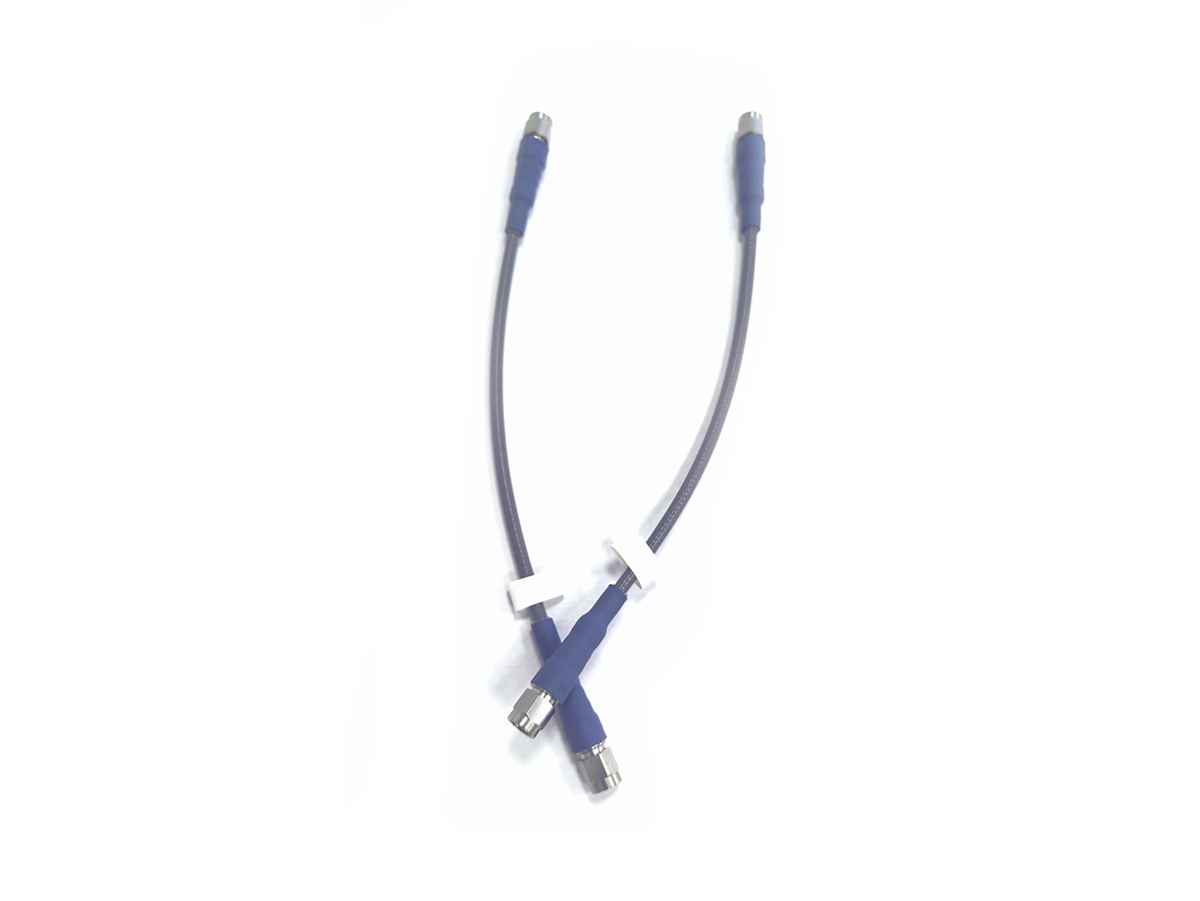
EMI resistant aerospace cables are critical components in various aerospace applications. These cables are designed to withstand electromagnetic interference, ensuring signal integrity and operational reliability across various systems. As technology advances and the demand for high-performance systems grows, the care and maintenance of these cables become paramount. **Proper maintenance** not only extends the lifespan of the cables but also enhances their performance in the field.
Understanding Electromagnetic Interference (EMI)
Electromagnetic interference (EMI) is a phenomenon that can disrupt the functioning of electronic devices and systems. It occurs when electromagnetic fields interact with other electronic circuits, potentially leading to malfunctions or degraded performance.
**Sources of EMI** can range from natural occurrences, such as lightning, to man-made sources like motors, radios, and even onboard electronics. **Aerospace environments** are particularly susceptible to EMI due to the presence of various electronic systems working in close proximity. This makes the selection of high-quality, EMI resistant cables essential for maintaining system integrity.
The Importance of Maintaining Aerospace Cables
Regular maintenance of EMI resistant aerospace cables offers numerous benefits, including:
1. **Enhanced Durability**: Regular checks and maintenance help in identifying wear and tear before they lead to failures, thus prolonging the life of the cables.
2. **Improved Performance**: Well-maintained cables provide consistent performance, which is crucial for the safety and efficacy of aerospace systems.
3. **Cost Efficiency**: Investing in maintenance can save considerable costs associated with downtime or equipment replacement due to cable failures.
4. **Safety Compliance**: Aerospace regulations often require adherence to specific maintenance protocols to ensure safety and reliability.
Essential Maintenance Procedures for Aerospace Cables
To ensure that your EMI resistant aerospace cables remain in optimal condition, adhere to the following maintenance procedures:
Regular Inspections
Conduct **regular visual inspections** of the cables for any signs of damage, such as fraying, cuts, or kinks. Any visible damage should be addressed immediately to prevent further issues.
Testing for EMI Resistance
Utilize specialized equipment to test the cables' resistance to EMI. Regular testing can help identify any degradation in performance, allowing for timely replacements or repairs.
Environmental Considerations
Consider the environmental conditions the cables are exposed to. High temperatures, humidity, and exposure to chemicals can affect cable integrity. Ensure that cables are rated for the specific conditions of your operational environment.
Documentation and Records
Keep detailed records of all maintenance activities, inspections, and repairs. This documentation is essential for compliance with industry standards and can provide valuable insights for future maintenance.
Cleaning Your EMI Resistant Aerospace Cables
Keeping your aerospace cables clean is essential for maintaining their performance. Follow these cleaning guidelines:
Materials Needed
- Soft, lint-free cloths
- Mild cleaning solutions (non-corrosive)
- Soft brushes for crevices
- Compressed air for dust removal
Cleaning Process
1. **Power Down**: Ensure all systems are powered down before beginning to clean the cables.
2. **Dust Removal**: Use compressed air to blow away dust and debris accumulated on the cables.
3. **Wipe Down**: Dampen a lint-free cloth with a mild cleaning solution and gently wipe the surfaces of the cable. Avoid excessive moisture as it can seep into connectors.
4. **Inspect**: After cleaning, inspect the cables for any signs of damage or wear.
Proper Storage Tips for Aerospace Cables
When not in use, proper storage of EMI resistant aerospace cables is crucial. Here are some tips to follow:
Avoid Tight Bends
Store cables without sharp bends or twists that could damage the internal structure. Use cable reels or storage containers that allow for loose coils.
Control Temperature and Humidity
Store cables in a climate-controlled environment to prevent degradation from temperature fluctuations or humidity.
Labeling
Clearly label all cables to avoid confusion and ensure that they are handled correctly during installation and maintenance.
Common Mistakes to Avoid in Cable Maintenance
It's vital to be aware of common pitfalls when maintaining your aerospace cables:
1. **Neglecting Regular Inspections**: Failing to conduct routine checks can lead to unnoticed damage and subsequent failures.
2. **Using Harsh Chemicals**: Avoid using abrasive or corrosive cleaning agents, as they can damage the cable’s protective layers.
3. **Ignoring Storage Conditions**: Improper storage can lead to long-term damage that may not be immediately visible.
4. **Postponing Repairs**: Delaying necessary repairs can exacerbate issues and lead to more significant, costly failures.
When to Seek Professional Assistance
In some cases, it may be necessary to seek professional assistance for cable maintenance. Consider contacting a specialist if:
- You notice severe damage to the cables.
- You lack the proper tools or expertise for testing and maintenance.
- The cables are critical to the safety of your operation, necessitating a thorough check by experienced personnel.
Frequently Asked Questions
1. How often should I inspect my aerospace cables?
We recommend conducting visual inspections at least once a month and performing thorough testing every six months.
2. Can I clean my cables with water?
Using water directly on cables is not advisable. Instead, use a damp cloth with mild cleaning agents.
3. What are signs that my cables need replacement?
Signs include visible damage, performance issues, or failure during EMI tests.
4. Are there specific storage requirements for aerospace cables?
Yes, store cables in a climate-controlled environment, avoiding tight bends and excessive moisture.
5. What is the best way to test EMI resistance?
Utilize specialized testing equipment designed for measuring EMI resistance in cables.
Conclusion
Maintaining and caring for your EMI resistant aerospace cables is crucial in ensuring their longevity and performance in demanding environments. By following the outlined procedures, including regular inspections, proper cleaning, and safe storage practices, you can protect your investment and enhance the reliability of your aerospace systems. Remember, when in doubt, don't hesitate to seek professional assistance to ensure that your cables continue to meet the high standards required in aerospace applications.


Do you have Questions?
Not sure what you're looking for? Unable to find what you need?