

Unleashing the Power of Aerospace High Speed Data Cables
Release Date:2026-05-19


Image Source: unsplash
The Unsung Heroes of Aviation
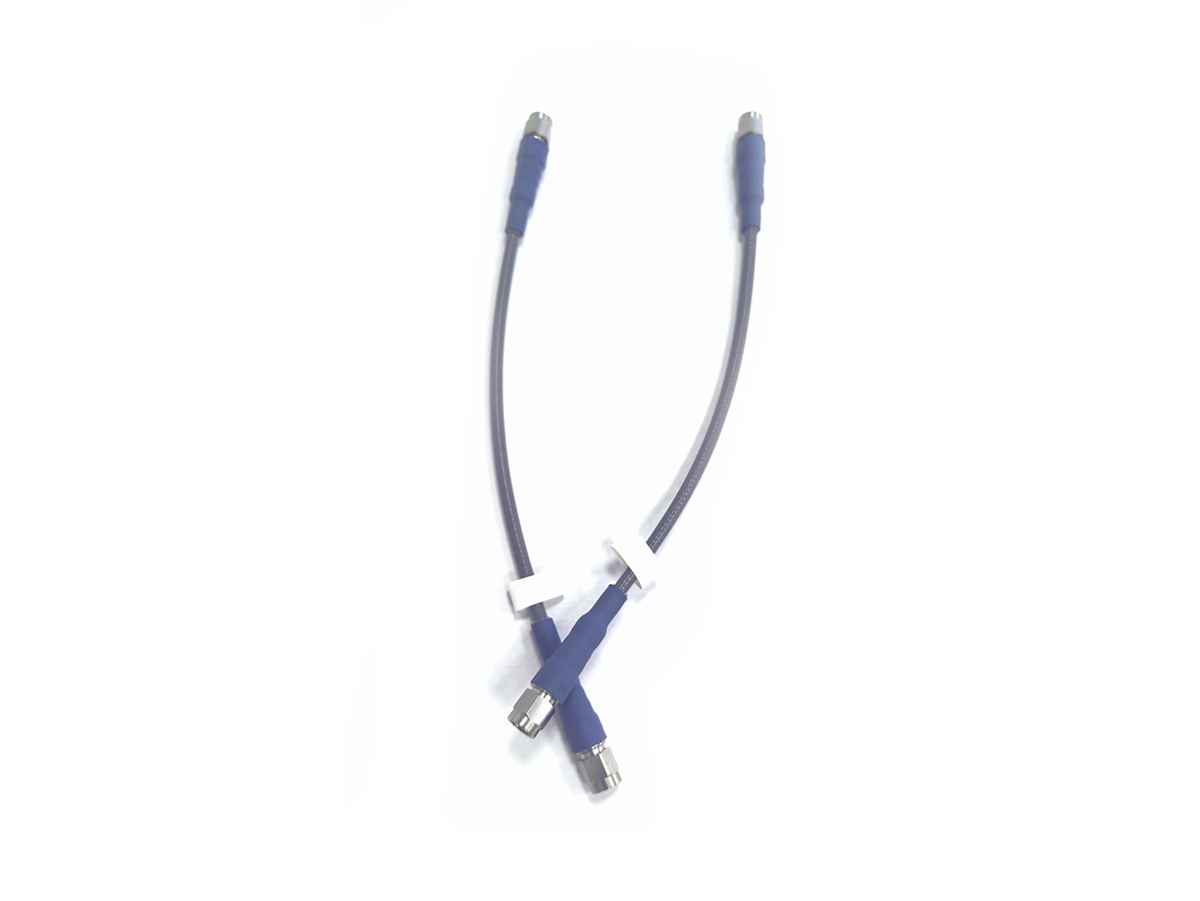
When we think of aerospace technology, our minds often drift to soaring jets and complex navigation systems. But behind every successful flight lies a network of intricate connections that keep everything running smoothly. Enter Aerospace High Speed Data Cables—the unsung heroes ensuring that data flows seamlessly across various systems. Buckle up as we dive into the world of these essential components!
Why They Matter
Imagine being on a flight, and suddenly, the communication between the cockpit and the cabin goes haywire. Yikes! That's where aerospace data cables come into play. Designed to handle high-speed data transfer, they ensure that critical information—such as flight data, maintenance signals, and passenger communications—travels without a hitch.
Key Features
So, what makes these cables a cut above the rest? Well, let's break it down:
- Durability: Aerospace environments are harsh. These cables are built to withstand extreme temperatures, vibrations, and electromagnetic interference.
- Lightweight: Weight is a big deal in aviation. Engineers have crafted these cables to be lightweight yet robust, ensuring they don't add unnecessary bulk to the aircraft.
- High Speed: As the name suggests, they facilitate rapid data transmission, which is crucial for modern avionics.
Applications Galore
The applications of aerospace high-speed data cables are extensive:
- Flight Control Systems: From autopilot to navigation, these cables ensure that the communication is instantaneous and reliable.
- Passenger Services: Think in-flight entertainment and Wi-Fi. These cables help deliver a seamless experience to passengers.
- Maintenance Monitoring: Real-time data helps ground crews understand the aircraft's health, making it easier to perform timely maintenance.
Future Innovations
As technology leaps forward, so too does the evolution of aerospace high-speed data cables. The integration of fiber optics could revolutionize data transmission speeds, pushing the boundaries of what is possible in the skies. Moreover, advancements in materials science may lead to even lighter, more resilient cables, paving the way for the next generation of aircraft.
Conclusion
Aerospace high-speed data cables might not be the first thing that comes to mind when you think about aviation, but they are indeed a critical component of modern aerospace technology. As we continue to push the envelope in aviation, these cables will play a pivotal role in ensuring safety, efficiency, and comfort for all. So, the next time you board a plane, take a moment to appreciate the invisible threads that help make your journey possible!


Do you have Questions?
Not sure what you're looking for? Unable to find what you need?