

The Future of Aerospace High Speed Data Cables: Unraveling Innovations
Release Date:2026-05-20


Image Source: unsplash
Introduction: The Need for Speed
In today's fast-paced world, where everything moves at lightning speed, the aerospace industry is no exception. Whether it's satellite communication, aircraft systems, or drone technology, the demand for efficient data transmission is soaring. Enter Aerospace High Speed Data Cables—the unsung heroes of modern aviation!
What Are Aerospace High Speed Data Cables?
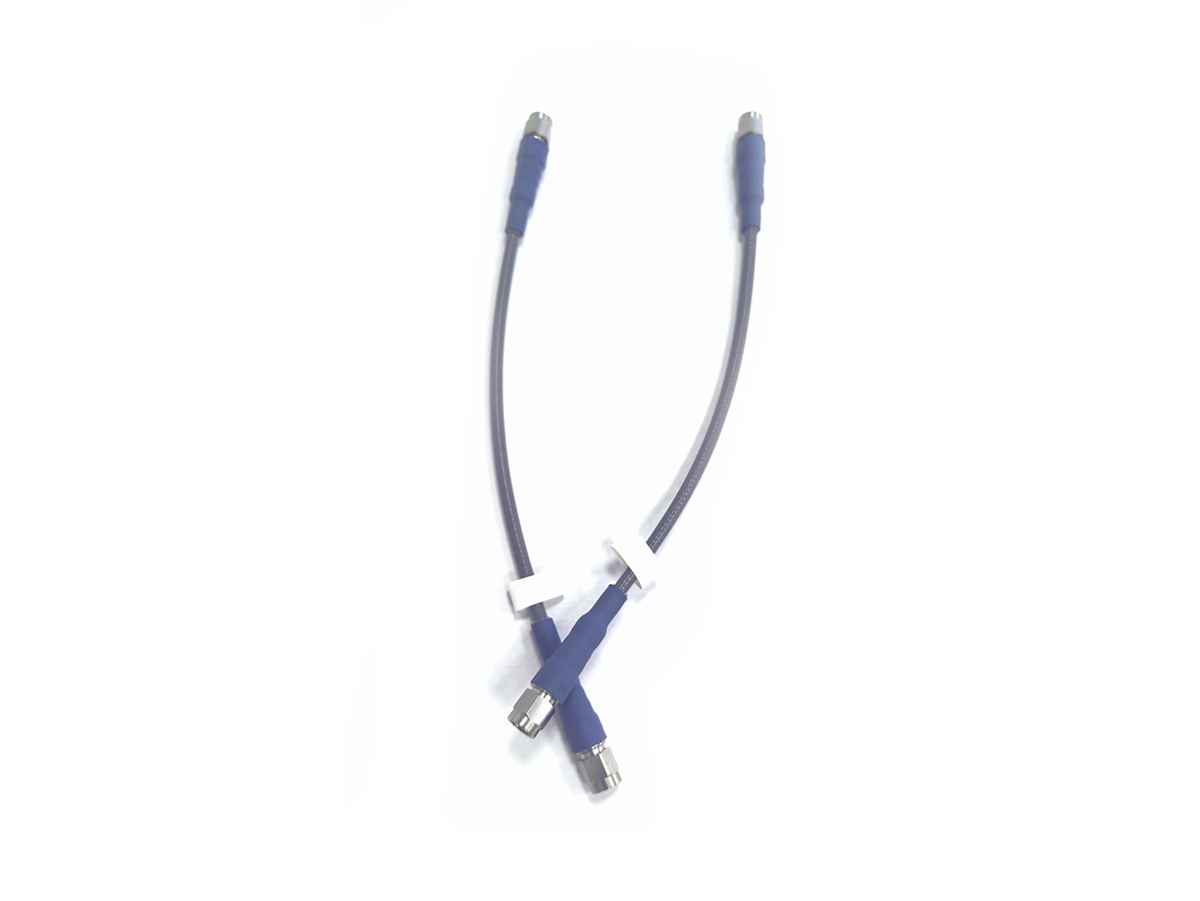
So, what exactly are these cables? Simply put, they are specialized wiring designed to handle vast amounts of data at incredible speeds. Think of them as the highways for information, allowing real-time communication between various systems in aircraft and spacecraft. With advancements in materials and technology, these cables are not just fast; they're also lightweight and durable, crucial for aerospace applications.
Why They Matter: A Quick Dive into Industry Solutions
Now, you might be wondering, why should anyone care about these cables? Well, let's break it down. First off, they enhance safety. More reliable data transmission means better communication between a plane's systems, leading to improved decision-making during critical moments. Secondly, they boost efficiency. Faster data transfer can lead to optimized operations, less downtime, and ultimately, cost savings for airlines and manufacturers alike.
Key Applications in Aerospace
From cockpit displays to engine management systems, the applications are vast. For instance, in commercial aviation, Aerospace High Speed Data Cables play a critical role in flight control systems. They ensure that pilots receive real-time information about the aircraft's performance, which is vital for safe flying. In the military sector, these cables support advanced navigation and targeting systems, making them indispensable.
Innovation on the Horizon
As technology evolves, so do these cables. Manufacturers are constantly innovating, introducing new materials that offer better conductivity and resistance to harsh environments. This is particularly important considering the extreme conditions that aerospace components must endure, from high altitudes to varying temperatures. Some companies are even exploring the use of fiber optic technology, which could revolutionize data transmission in aviation.
Challenges Ahead
Despite all the advancements, challenges remain. For one, the aerospace industry is heavily regulated, and any new technology must go through rigorous testing and approval processes. Additionally, as data needs grow, so does the complexity of wiring systems, making it essential for manufacturers to design cables that are not only efficient but also easy to install and maintain.
The Environmental Angle
In today's eco-conscious climate, sustainability is a hot topic. The production of Aerospace High Speed Data Cables is no exception. Manufacturers are looking into eco-friendly materials and sustainable practices to reduce their carbon footprint. This not only helps the planet but also appeals to consumers and companies looking to enhance their green credentials.
Conclusion: A Bright Future
As we zoom into the future, the importance of Aerospace High Speed Data Cables will only grow. With continued advancements and a focus on efficiency, safety, and sustainability, these cables will undoubtedly play a pivotal role in shaping the next generation of aerospace technology. So, buckle up, because the sky is no longer the limit!


Do you have Questions?
Not sure what you're looking for? Unable to find what you need?