

Maximizing Efficiency: The Importance of LD-PTFE Low Loss Cable
Release Date:2026-05-25


Maximizing Efficiency: The Importance of LD-PTFE Low Loss Cable
Table of Contents
- 1. Introduction to LD-PTFE Low Loss Cable
- 2. What is LD-PTFE Low Loss Cable?
- 3. Benefits of LD-PTFE Low Loss Cable
- 4. Applications of LD-PTFE Low Loss Cable
- 5. Comparative Analysis with Other Cable Types
- 6. Maintenance Tips for LD-PTFE Low Loss Cable
- 7. Frequently Asked Questions (FAQs)
- 8. Conclusion
1. Introduction to LD-PTFE Low Loss Cable
In today's fast-paced technological landscape, the efficiency of electrical systems is paramount. LD-PTFE (Low-Density Polytetrafluoroethylene) low loss cables have emerged as a pivotal solution, addressing the growing demand for high-performance electrical conductors in various applications. These specialized cables are designed to minimize energy loss during transmission, thereby maximizing the operational efficiency of electrical systems.
In this article, we will delve into the unique properties of LD-PTFE low loss cables, their advantages, and their roles in different industries. Understanding these aspects will empower you to make informed decisions in choosing the right cable solutions for your needs.
2. What is LD-PTFE Low Loss Cable?
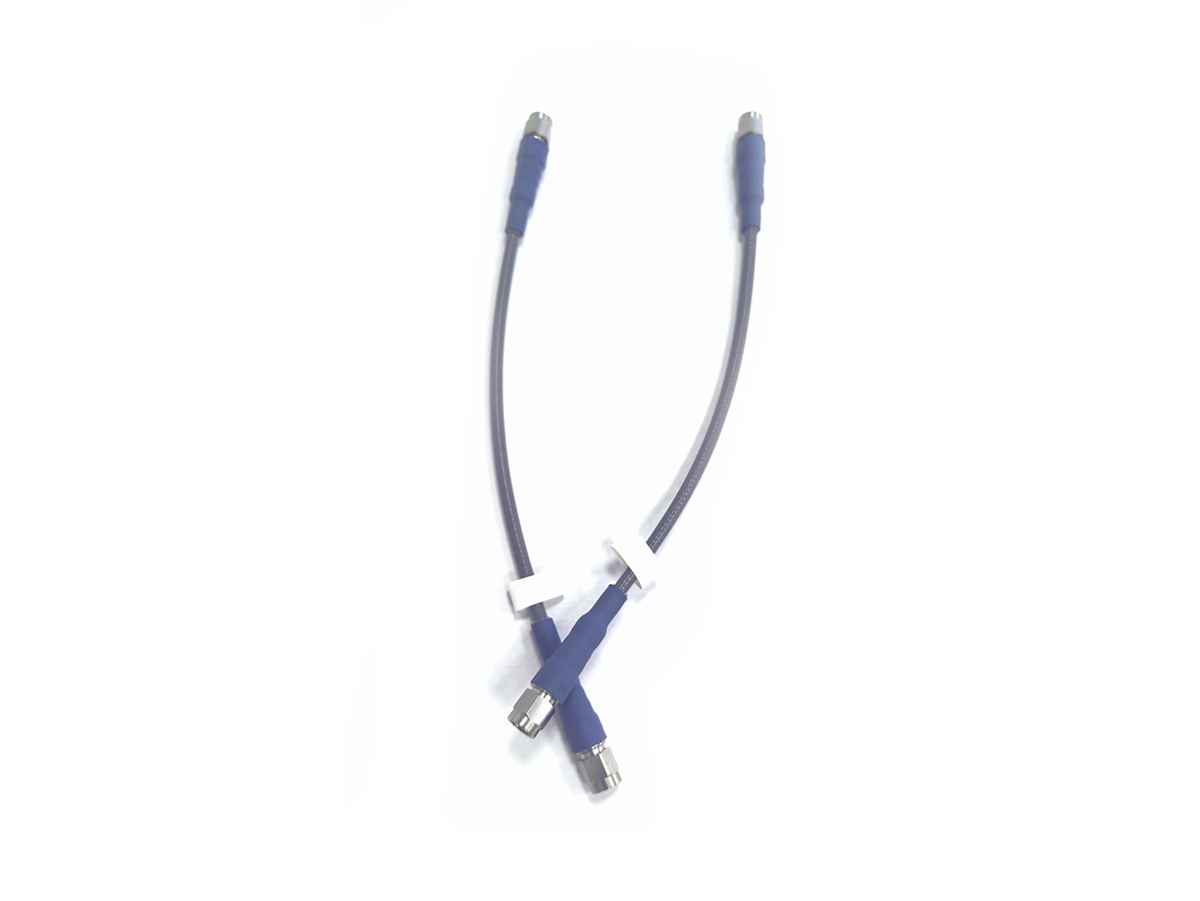
LD-PTFE low loss cable is a type of electrical cable featuring a core made from low-density polytetrafluoroethylene. This material is renowned for its exceptional insulating properties, chemical resistance, and stability across a wide temperature range. The design of LD-PTFE cables allows for minimal signal degradation, making them ideal for applications where precision and reliability are critical.
The low loss characteristic of these cables is attributed to their dielectric properties, ensuring that energy transmitted through them experiences minimal resistance. This feature is particularly beneficial in high-frequency applications, making LD-PTFE low loss cables a preferred choice in telecommunications, aerospace, and industrial sectors.
3. Benefits of LD-PTFE Low Loss Cable
3.1 Superior Insulation Properties
One of the most significant advantages of LD-PTFE low loss cables is their superior insulation properties. The low-density nature of PTFE provides an exceptional dielectric strength, making these cables highly effective at preventing electrical leakage. This characteristic is crucial in maintaining signal integrity and reducing energy loss, ensuring that electrical systems operate at peak efficiency.
Moreover, LD-PTFE cables exhibit excellent resistance to moisture, chemicals, and UV radiation, making them suitable for both indoor and outdoor applications. This resilience contributes to their longevity, reducing the need for frequent replacements and maintenance.
3.2 High Thermal Stability
LD-PTFE low loss cables can withstand extreme temperatures without compromising their performance. They retain their mechanical and electrical properties across a broad temperature range, typically from -60°C to +260°C. This thermal stability is vital for applications subject to fluctuating environmental conditions, ensuring reliable performance in diverse settings.
The ability to perform consistently in high-temperature environments also makes LD-PTFE cables suitable for industrial applications where heat generation is common. This feature contributes to overall system efficiency by preventing overheating and potential failures.
3.3 Low Loss Characteristics
The defining feature of LD-PTFE low loss cables is, of course, their low loss characteristics. These cables are designed to minimize attenuation during signal transmission, ensuring that energy is delivered efficiently from source to destination. This low loss translates to enhanced system performance, particularly in high-frequency applications where signal integrity is paramount.
By reducing power loss, LD-PTFE cables not only enhance the efficiency of electrical systems but also contribute to energy savings. This aspect is increasingly important in today's environmentally conscious landscape, where reducing energy consumption is a priority for many organizations.
4. Applications of LD-PTFE Low Loss Cable
The versatility of LD-PTFE low loss cables allows them to be utilized in a variety of applications across different industries. Below are some of the most common uses:
4.1 Telecommunications
In the telecommunications sector, LD-PTFE low loss cables are essential for transmitting high-frequency signals with minimal interference. These cables are widely used in cellular networks, satellite communications, and data centers, where performance and reliability are non-negotiable. The low loss characteristics ensure that data can be transmitted over long distances without degradation, facilitating seamless communication.
4.2 Industrial Systems
In industrial settings, LD-PTFE cables are employed in automation, robotics, and control systems. Their durability and resistance to harsh environments make them ideal for use in factories and manufacturing facilities. By ensuring reliable communication between devices, these cables contribute to enhanced productivity and operational efficiency.
4.3 Renewable Energy
As the world shifts towards renewable energy sources, LD-PTFE low loss cables are becoming increasingly important in solar and wind energy applications. These cables facilitate the efficient transmission of electricity generated from renewable sources, helping to maximize energy output and reduce losses. Their ability to perform under extreme conditions makes them a reliable choice for outdoor installations.
5. Comparative Analysis with Other Cable Types
When choosing cables for specific applications, it is essential to consider various options and their characteristics. Here we compare LD-PTFE low loss cables with other popular cable types:
1. **PVC Cables**: Polyvinyl chloride (PVC) cables are commonly used due to their low cost. However, they lack the thermal stability and resistance to chemicals that LD-PTFE cables offer. LD-PTFE cables are preferable for high-performance applications where reliability is critical.
2. **XLPE Cables**: Cross-linked polyethylene (XLPE) cables are known for their excellent electrical properties. Still, LD-PTFE cables outperform them in high-frequency applications due to their superior low loss characteristics and dielectric strength.
3. **Rubber Cables**: While rubber cables are flexible and suitable for various applications, they may not provide the same level of insulation and thermal stability as LD-PTFE cables. For environments with extreme temperatures or chemical exposure, LD-PTFE is the superior choice.
6. Maintenance Tips for LD-PTFE Low Loss Cable
To ensure that LD-PTFE low loss cables maintain their performance over time, proper maintenance is essential. Here are some tips to keep in mind:
1. **Regular Inspections**: Conduct routine checks for signs of wear and tear, such as fraying or damage to the insulation. Early detection can prevent potential failures.
2. **Proper Installation**: Ensure that cables are installed correctly, following manufacturer guidelines. Improper installation can lead to increased stress on the cables and potential damage.
3. **Avoid Overheating**: Keep cables away from sources of heat and ensure adequate ventilation in enclosed spaces to prevent overheating.
4. **Chemical Exposure**: Be mindful of the environment in which the cables are placed. Avoid exposure to harsh chemicals that could degrade the insulation.
5. **Record Keeping**: Maintain a log of inspections and maintenance activities to track the performance of the cables over time.
7. Frequently Asked Questions (FAQs)
1. What makes LD-PTFE low loss cables different from standard cables?
LD-PTFE low loss cables offer superior insulation, thermal stability, and low loss characteristics, making them ideal for high-frequency applications where signal integrity is critical.
2. Are LD-PTFE cables suitable for outdoor use?
Yes, LD-PTFE cables are resistant to moisture and UV radiation, making them suitable for outdoor applications in various environmental conditions.
3. Can LD-PTFE cables be used in high-temperature environments?
Absolutely. LD-PTFE cables can withstand temperatures ranging from -60°C to +260°C without compromising their performance.
4. How does the cost of LD-PTFE cables compare to other types?
While LD-PTFE cables may have a higher initial cost than standard cables, their durability and low loss characteristics can lead to long-term savings through reduced energy consumption and maintenance costs.
5. What industries benefit the most from LD-PTFE low loss cables?
Key industries include telecommunications, industrial automation, and renewable energy, where reliable and efficient energy transmission is essential.
8. Conclusion
LD-PTFE low loss cables play a critical role in enhancing the efficiency and reliability of electrical systems. Their superior insulation properties, high thermal stability, and low loss characteristics make them an ideal choice for various applications, particularly in telecommunications, industrial systems, and renewable energy sectors.
Investing in LD-PTFE low loss cables can lead to significant long-term benefits, including energy savings, reduced maintenance costs, and improved system performance. By understanding the importance of these specialized cables, you can make informed decisions that will maximize efficiency and reliability in your electrical systems.


Do you have Questions?
Not sure what you're looking for? Unable to find what you need?