

Understanding Low Skew Differential Signal Cables: Key Features and Benefits
Release Date:2026-05-27


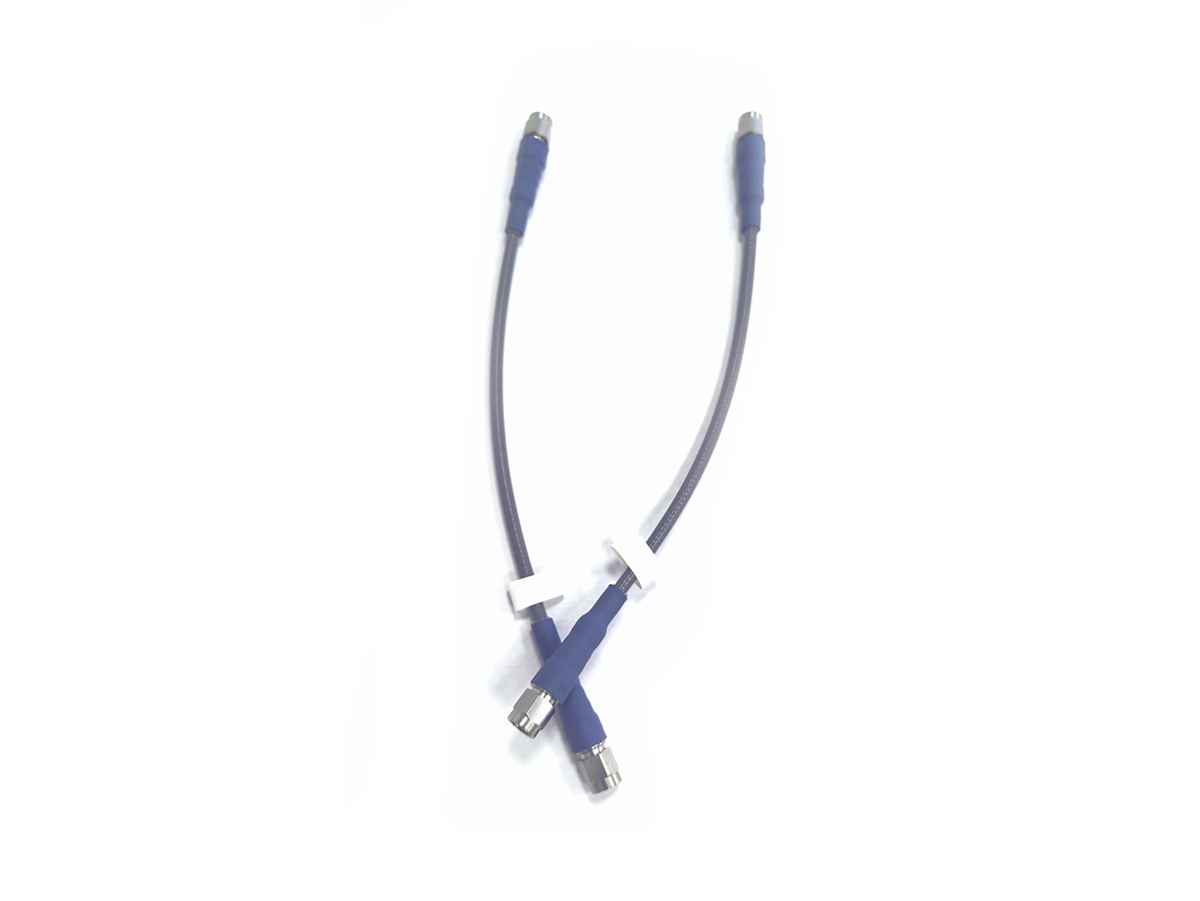
Low skew differential signal cables are specialized types of cables designed for high-speed data transmission, ensuring minimal signal degradation and interference. These cables are crucial in applications that require precise timing and accurate data transfer, such as telecommunications, computer networks, and high-resolution video systems. The term "low skew" refers to the consistent propagation speeds of the differential signals within the cable, which is essential for maintaining signal integrity over long distances.
One of the primary technical advantages of low skew differential signal cables is their ability to reduce skew, which is the time difference between the arrival of signals on different conductors. In applications where timing is critical, such as in synchronous data transmission, a low skew is vital to prevent errors and ensure reliable performance. This synchronization helps maintain the integrity of the data being transmitted, especially in high-speed environments where even minor delays can lead to significant issues.
These cables are constructed with twisted pairs that help to cancel out electromagnetic interference (EMI) and maintain a balanced signal. The design minimizes cross-talk between the conductors, allowing for clearer communication channels. Additionally, the use of high-quality insulating materials helps to preserve the signal over extended distances, making low skew differential signal cables suitable for both internal and external wiring applications.
When selecting low skew differential signal cables, professionals should consider factors such as cable length, operating frequency, and environmental conditions. For instance, longer runs may require cables with enhanced shielding to combat potential interference from external sources. Furthermore, the choice of connectors and terminations can also impact the overall performance of the system, so it is advisable to match these components carefully to ensure optimal signal transmission.
In conclusion, low skew differential signal cables are a vital component in modern electronic applications, providing the necessary bandwidth and signal integrity for reliable data transmission. Their unique design features, including twisted pairs and high-quality insulation, make them an ideal choice for professionals seeking to enhance the performance of their electrical systems. Understanding these technical aspects can help in making informed decisions when it comes to cable selection, ultimately leading to improved efficiency and reliability in various applications.
One of the primary technical advantages of low skew differential signal cables is their ability to reduce skew, which is the time difference between the arrival of signals on different conductors. In applications where timing is critical, such as in synchronous data transmission, a low skew is vital to prevent errors and ensure reliable performance. This synchronization helps maintain the integrity of the data being transmitted, especially in high-speed environments where even minor delays can lead to significant issues.
These cables are constructed with twisted pairs that help to cancel out electromagnetic interference (EMI) and maintain a balanced signal. The design minimizes cross-talk between the conductors, allowing for clearer communication channels. Additionally, the use of high-quality insulating materials helps to preserve the signal over extended distances, making low skew differential signal cables suitable for both internal and external wiring applications.
When selecting low skew differential signal cables, professionals should consider factors such as cable length, operating frequency, and environmental conditions. For instance, longer runs may require cables with enhanced shielding to combat potential interference from external sources. Furthermore, the choice of connectors and terminations can also impact the overall performance of the system, so it is advisable to match these components carefully to ensure optimal signal transmission.
In conclusion, low skew differential signal cables are a vital component in modern electronic applications, providing the necessary bandwidth and signal integrity for reliable data transmission. Their unique design features, including twisted pairs and high-quality insulation, make them an ideal choice for professionals seeking to enhance the performance of their electrical systems. Understanding these technical aspects can help in making informed decisions when it comes to cable selection, ultimately leading to improved efficiency and reliability in various applications.


Do you have Questions?
Not sure what you're looking for? Unable to find what you need?