

Understanding the Manufacturing Process of EMI Resistant Aerospace Cable: A Comprehensive Guide
Release Date:2026-06-02


Understanding the Manufacturing Process of EMI Resistant Aerospace Cable
Table of Contents
- 1. Introduction to EMI Resistant Aerospace Cables
- 2. What is Electromagnetic Interference (EMI)?
- 3. Importance of EMI Resistance in Aerospace Applications
- 4. Key Components of EMI Resistant Aerospace Cables
- 5. Materials Used in Manufacturing EMI Resistant Aerospace Cables
- 6. Step-by-Step Manufacturing Process of EMI Resistant Aerospace Cables
- 7. Testing and Quality Control Measures
- 8. Future Trends in EMI Resistant Aerospace Cable Manufacturing
- 9. Frequently Asked Questions
- 10. Conclusion
1. Introduction to EMI Resistant Aerospace Cables
The aerospace industry demands the highest standards for performance and reliability, leading to the development of specialized components such as **EMI resistant aerospace cables**. These cables are designed to effectively shield electrical systems from electromagnetic interference, ensuring signal integrity and operational safety. As aircraft become more sophisticated and reliant on electronics, understanding the **manufacturing process of EMI resistant aerospace cables** is crucial.
2. What is Electromagnetic Interference (EMI)?
**Electromagnetic interference (EMI)** refers to the disruption of electronic devices caused by electromagnetic radiation from other devices. This can result in signal degradation, malfunctioning systems, and potential safety hazards, particularly in the tightly packed environments of an aircraft. EMI can originate from various sources, including radio frequencies, electrical motors, and even cosmic radiation.
3. Importance of EMI Resistance in Aerospace Applications
In aerospace applications, EMI resistance is vital for several reasons:
- **Safety**: Ensures that critical systems such as navigation and communication remain functional.
- **Performance**: Enhances the reliability of electronic components, leading to improved overall aircraft performance.
- **Regulatory Compliance**: Meets stringent aviation standards and regulations, ensuring airworthiness.
The ability of aerospace cables to resist EMI can significantly impact the operational success of aircraft, making the manufacturing process a focal point in aerospace engineering.
4. Key Components of EMI Resistant Aerospace Cables
The effectiveness of EMI resistant aerospace cables lies in their components, which are meticulously designed for optimal performance:
- **Conductors**: Typically made from copper or aluminum, these carry electrical signals and are often coated to enhance conductivity and reduce interference.
- **Insulation**: A critical layer that protects the conductor and prevents signal loss. Materials like Teflon and polyimide are common due to their excellent dielectric properties.
- **Shielding**: Essential for EMI protection, it often involves multiple layers of materials such as copper or aluminum foil, braided wires, or conductive polymers, creating a barrier against external electromagnetic fields.
- **Jacketing**: The outermost layer that provides mechanical protection, chemical resistance, and environmental durability.
5. Materials Used in Manufacturing EMI Resistant Aerospace Cables
The choice of materials in **EMI resistant aerospace cables** is a crucial factor in determining their performance and reliability:
- **Copper**: The preferred conductor material for its excellent conductivity and flexibility.
- **Teflon**: A popular choice for insulation due to its high-temperature resistance and low friction properties.
- **Aluminum**: Used in some applications to reduce weight while maintaining adequate conductivity.
- **Polyimide**: Known for its thermal stability and resistance to harsh environments, making it ideal for aerospace applications.
- **Shielding Materials**: Copper, aluminum, and specialized conductive fabrics are commonly used for effective EMI shielding.
6. Step-by-Step Manufacturing Process of EMI Resistant Aerospace Cables
The manufacturing process of EMI resistant aerospace cables is intricate and requires precision at every stage. Here’s a detailed breakdown:
6.1 Wire Drawing
The process begins with wire drawing, where raw metal is reduced to the desired diameter for the conductors. This step requires careful control of temperature and speed to ensure uniformity.
6.2 Stranding
Next, multiple strands of wire are twisted together to form a conductor. This stranding process improves flexibility and reduces the risk of breakage.
6.3 Insulation Application
After stranding, the conductors are insulated using extrusion methods. Insulating compounds are applied evenly to prevent signal loss and protect against external elements.
6.4 Shielding Installation
The next step involves applying the shielding layers. This is often done using a combination of foil and braided wire techniques to create a robust barrier against EMI.
6.5 Jacketing
Once the shielding is in place, a protective jacketing is added. This outer layer further enhances durability, protecting the cable from environmental stressors.
6.6 Final Assembly
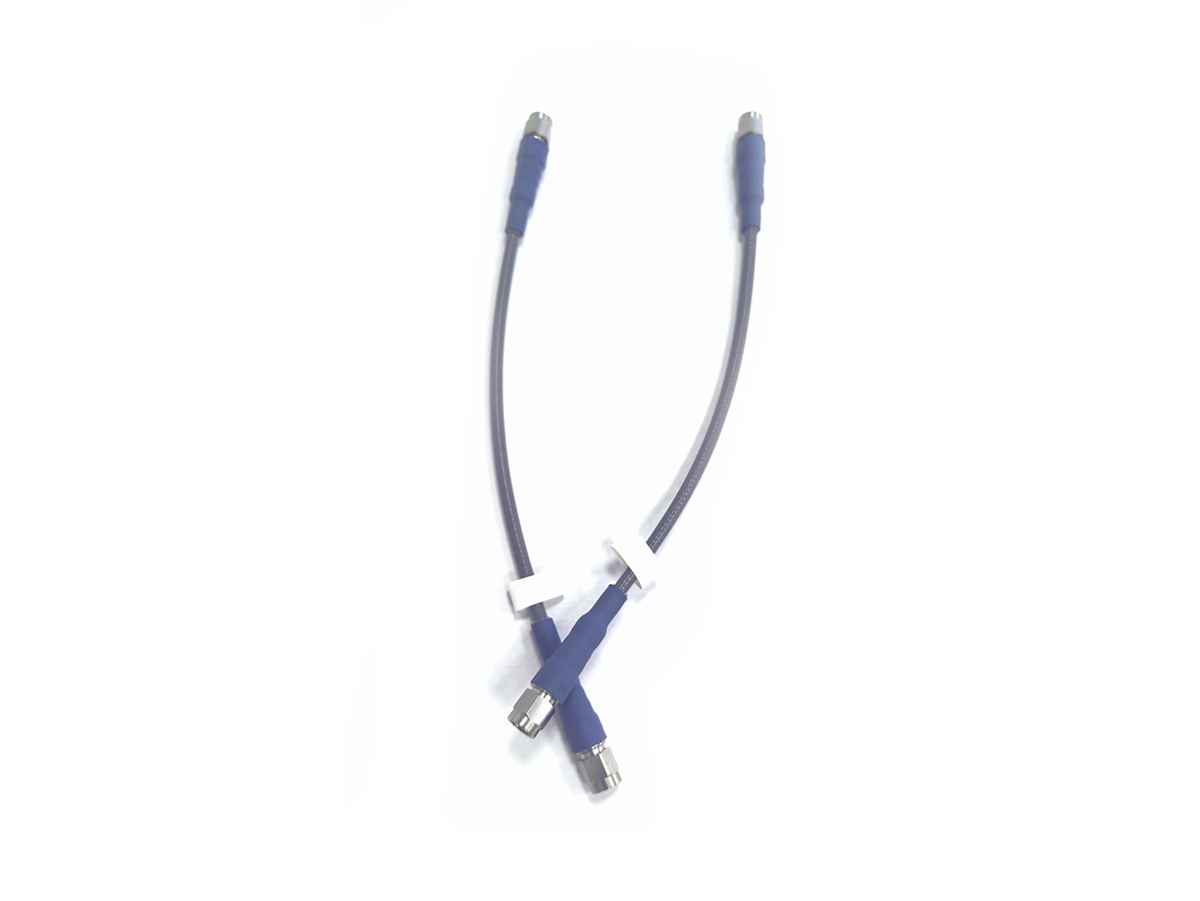
The cables are then assembled with connectors and other necessary components. This stage may also involve additional testing for functionality and performance.
6.7 Quality Control and Testing
Before the cables can be released for use, they undergo rigorous testing to ensure they meet industry standards. This includes checks for insulation resistance, conductivity, and EMI shielding effectiveness.
7. Testing and Quality Control Measures
Quality control is paramount in the manufacturing of **EMI resistant aerospace cables**. Various testing methods ensure that cables meet the stringent standards required in the aerospace industry:
- **Insulation Resistance Testing**: Measures the effectiveness of the insulation to prevent electrical leaks.
- **Shielding Effectiveness Testing**: Evaluates the cable’s ability to block EMI, ensuring it meets regulatory requirements.
- **Mechanical Testing**: Assesses durability under different conditions, including temperature fluctuations and physical stress.
These rigorous testing protocols guarantee that cables perform reliably under the demanding conditions of aviation.
8. Future Trends in EMI Resistant Aerospace Cable Manufacturing
As technology advances, the manufacturing process of EMI resistant aerospace cables is poised for transformation:
- **Smart Materials**: Research into new materials that can dynamically adapt to EMI environments could lead to even more effective cables.
- **Sustainability**: Manufacturers are increasingly focusing on eco-friendly materials and processes, minimizing environmental impact.
- **Automation**: The integration of advanced robotics and AI in manufacturing processes can enhance precision, efficiency, and production speed.
These trends indicate a shift towards more innovative, efficient, and sustainable practices in the aerospace cable manufacturing industry.
9. Frequently Asked Questions
What is the primary function of EMI resistant aerospace cables?
EMI resistant aerospace cables are designed to protect sensitive electronic systems from electromagnetic interference, ensuring reliable performance in aviation applications.
What materials are commonly used in the production of these cables?
Common materials include copper for conductors, Teflon for insulation, and various metals for shielding, such as copper and aluminum.
Why is testing crucial in the manufacturing process?
Testing ensures that the cables meet safety and performance standards required in the aerospace industry, preventing potential failures.
How does shielding work to block EMI?
Shielding materials create a barrier that either absorbs or reflects electromagnetic waves, preventing them from affecting the signals within the cables.
What trends are shaping the future of aerospace cable manufacturing?
Emerging trends include the use of smart materials, sustainable manufacturing practices, and increased automation in production processes.
10. Conclusion
Understanding the manufacturing process of **EMI resistant aerospace cables** is essential for anyone involved in the aerospace industry. These cables are critical for ensuring safety, reliability, and performance in aircraft systems. As technology evolves and new materials and processes emerge, the future of aerospace cable manufacturing promises to be both exciting and impactful. By prioritizing quality and innovation, manufacturers can continue to meet the stringent demands of the aerospace sector and contribute to the advancement of aviation technology.


Do you have Questions?
Not sure what you're looking for? Unable to find what you need?