

Innovation in Electrical Engineering: The Rise of LD-PTFE Low Loss Cable
Release Date:2026-06-10


Innovation in Electrical Engineering: The Rise of LD-PTFE Low Loss Cable
Table of Contents
- Introduction to LD-PTFE Low Loss Cable
- What is LD-PTFE?
- Advantages of LD-PTFE Low Loss Cable
- Applications of LD-PTFE Low Loss Cable
- Technological Advancements in Electrical Engineering
- Environmental Impact of LD-PTFE Cables
- Future Trends in Low Loss Cable Technology
- Frequently Asked Questions (FAQs)
- Conclusion
Introduction to LD-PTFE Low Loss Cable
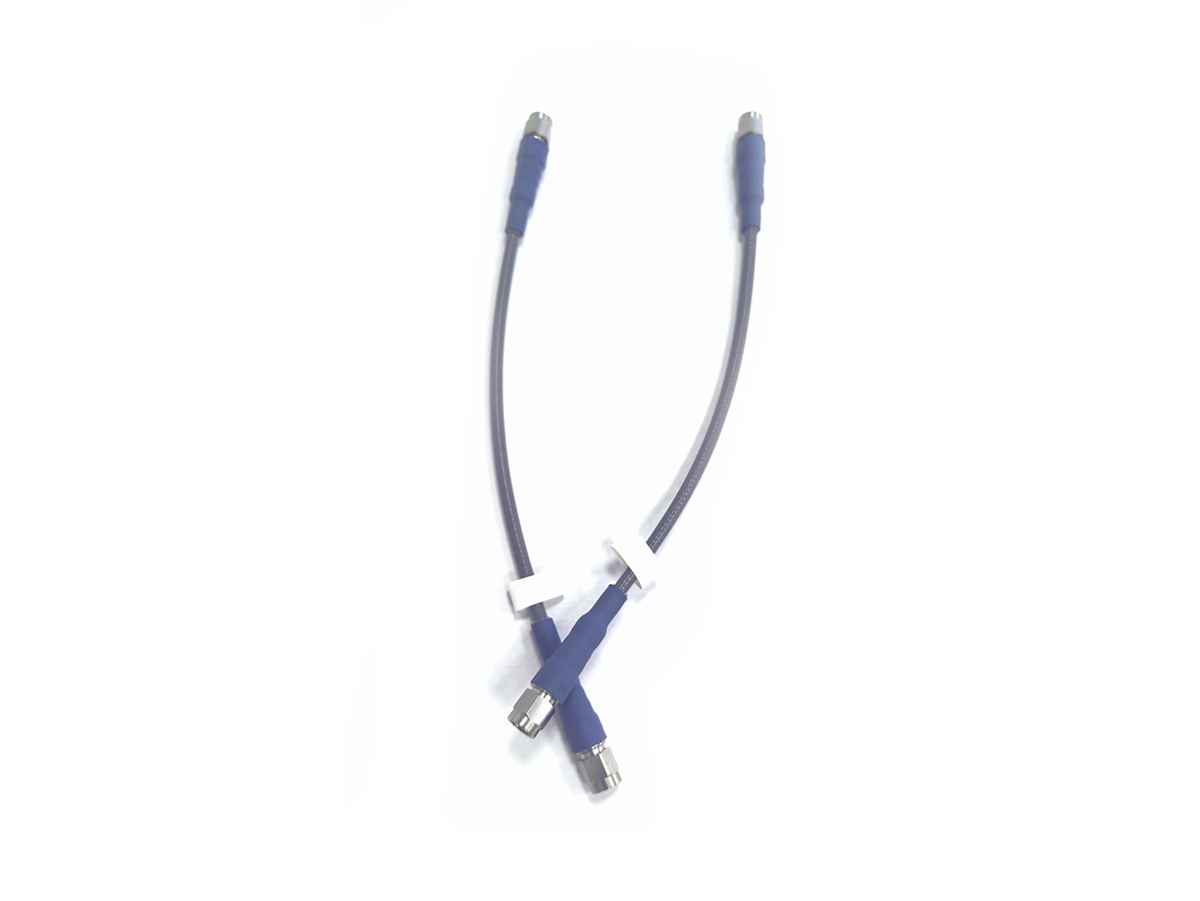
In the ever-evolving field of electrical engineering, innovation plays a crucial role in enhancing performance and efficiency. One of the significant advancements in this domain is the development of **LD-PTFE low loss cables**. These cables have emerged as a game-changer, particularly in applications where signal integrity and minimal power loss are paramount. This article delves into the characteristics, advantages, and future prospects of LD-PTFE low loss cables.
What is LD-PTFE?
LD-PTFE, or low-density polytetrafluoroethylene, is a high-performance fluoropolymer known for its excellent electrical insulation properties. Unlike traditional insulation materials, LD-PTFE exhibits superior thermal stability, resistance to chemical corrosion, and low dielectric loss. This unique combination of properties makes LD-PTFE an ideal choice for low loss cable manufacturing.
Key Properties of LD-PTFE
LD-PTFE cables possess several defining features:
- Low Dielectric Constant: This characteristic minimizes signal attenuation, ensuring efficient signal transmission.
- High Thermal Stability: LD-PTFE can withstand elevated temperatures without degrading, making it suitable for high-performance applications.
- Resistance to Chemical Corrosion: LD-PTFE is resistant to a wide range of chemicals, enhancing its longevity in challenging environments.
- Flexible and Lightweight: The inherent flexibility of LD-PTFE makes it easy to install in various configurations.
Advantages of LD-PTFE Low Loss Cable
The adoption of LD-PTFE low loss cables in electrical engineering brings numerous benefits that significantly enhance operational efficiency and reliability.
1. Enhanced Signal Integrity
One of the primary advantages of LD-PTFE low loss cables is their ability to maintain **signal integrity** over long distances. The low dielectric loss ensures that minimal energy is lost during transmission, making these cables ideal for applications requiring high-frequency signals.
2. Improved Energy Efficiency
With reduced power loss, LD-PTFE cables contribute to improved energy efficiency. This aspect is particularly crucial in large-scale industrial applications where energy costs can significantly impact the bottom line.
3. Reduced Maintenance Costs
The durability and chemical resistance of LD-PTFE cables result in lower maintenance requirements. This reduction in maintenance not only extends the lifespan of the cables but also minimizes downtime, thereby enhancing productivity.
4. Versatility in Applications
LD-PTFE low loss cables can be utilized in a wide range of applications, including telecommunications, aerospace, and medical equipment. Their versatility makes them a preferred choice across various sectors.
5. Environmental Benefits
LD-PTFE is an environmentally friendly option, as it is free from harmful substances and can be recycled at the end of its life cycle. This aligns with the growing demand for sustainable materials in electrical engineering.
Applications of LD-PTFE Low Loss Cable
The unique properties of LD-PTFE low loss cables make them suitable for a variety of applications. Below are some key sectors where these cables are making a significant impact.
Telecommunications
In the telecommunications industry, LD-PTFE cables are used for high-frequency signal transmission. Their ability to minimize signal loss ensures reliable communications and data transfer over long distances.
Aerospace and Defense
In aerospace applications, weight and performance are critical. LD-PTFE cables offer lightweight solutions without compromising on durability, making them ideal for aircraft and defense systems.
Medical Equipment
In the medical field, precision and reliability are paramount. LD-PTFE cables are used in various medical devices, ensuring accurate signal transmission and enhanced device performance.
Industrial Automation
As industries move towards automation, the demand for reliable and efficient wiring solutions increases. LD-PTFE cables meet these demands by providing robust connections in automated systems.
Technological Advancements in Electrical Engineering
The rise of LD-PTFE low loss cables is part of a broader trend of technological advancements in electrical engineering. Innovations in materials science, manufacturing processes, and application techniques are driving the evolution of cable technology.
Research and Development
Continuous research in the field of materials science is leading to the development of even more advanced insulation materials. This R&D efforts will likely yield new generations of low loss cables with enhanced properties.
Smart Technologies
The integration of smart technologies in electrical systems demands cables that can support high data rates and low latency. LD-PTFE low loss cables are well-positioned to meet these emerging needs.
Environmental Impact of LD-PTFE Cables
As the world becomes increasingly aware of environmental issues, the electrical engineering industry is also making strides toward sustainability. LD-PTFE cables contribute positively to this movement by offering an eco-friendly option that minimizes environmental footprint.
Recyclability
LD-PTFE can be recycled, reducing waste and promoting a circular economy in cable manufacturing. This aspect not only benefits the environment but also aligns with corporate social responsibility goals.
Reduced Carbon Footprint
The energy efficiency of LD-PTFE cables helps reduce the overall carbon footprint of electrical systems. By minimizing energy loss, these cables contribute to greener solutions in various applications.
Future Trends in Low Loss Cable Technology
Looking ahead, the future of low loss cable technology appears promising. Several trends are expected to shape the landscape of electrical engineering.
Integration with IoT
The Internet of Things (IoT) is revolutionizing how devices communicate. Low loss cables, particularly LD-PTFE, will play a pivotal role in ensuring seamless connectivity between IoT devices.
Advancements in Manufacturing Techniques
Innovations in manufacturing will lead to more efficient production processes, driving down costs and improving the accessibility of LD-PTFE low loss cables for various applications.
Increased Demand for High-Speed Data Transmission
As the demand for high-speed data transmission continues to grow, LD-PTFE cables will be essential in meeting the requirements of modern communication systems.
Frequently Asked Questions (FAQs)
1. What is the main advantage of using LD-PTFE low loss cables?
The main advantage is their ability to maintain signal integrity while minimizing power loss, making them ideal for high-frequency applications.
2. In what industries are LD-PTFE cables commonly used?
LD-PTFE cables are commonly used in telecommunications, aerospace, medical equipment, and industrial automation.
3. Are LD-PTFE cables environmentally friendly?
Yes, LD-PTFE cables are recyclable and contribute to lower carbon footprints due to their energy efficiency.
4. How do LD-PTFE cables compare to traditional cables?
LD-PTFE cables offer superior thermal stability, lower dielectric loss, and better chemical resistance than traditional cables.
5. What is the future outlook for LD-PTFE low loss cables?
The future looks bright, with increasing demand driven by advancements in technology, particularly in IoT and high-speed data transmission.
Conclusion
The emergence of **LD-PTFE low loss cables** marks a significant advancement in the field of electrical engineering. Their unique properties and advantages make them a preferred choice for various applications, from telecommunications to aerospace. As the industry continues to innovate, LD-PTFE cables will play a pivotal role in shaping the future of connectivity and performance in electrical systems. By embracing this cutting-edge technology, industries can enhance their operational efficiency while contributing to a more sustainable future.


Do you have Questions?
Not sure what you're looking for? Unable to find what you need?