

Understanding Low Skew Differential Signal Cables: Essential Insights for Electrical Applications
Release Date:2026-06-12


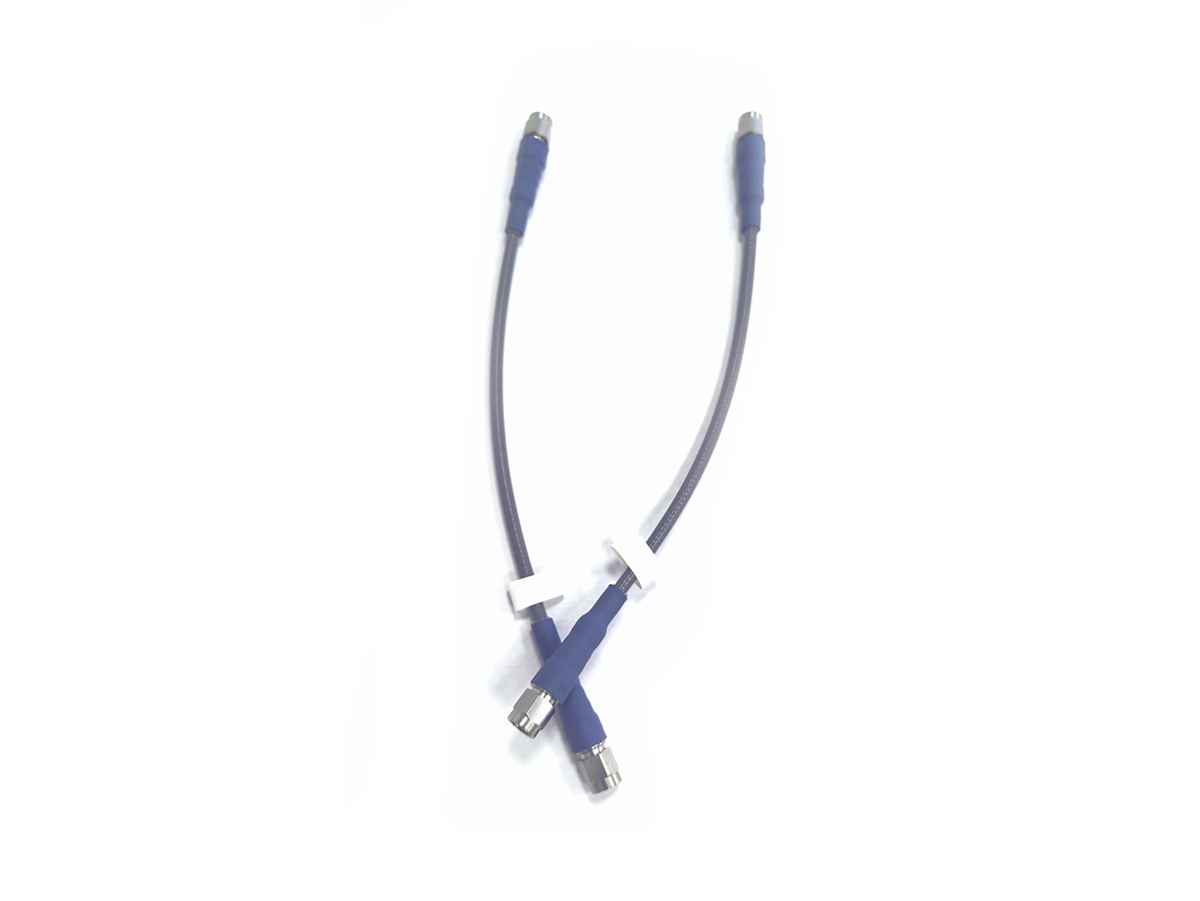
Low skew differential signal cables are specialized transmission lines designed to ensure high fidelity in signal transmission, particularly in applications where timing and signal integrity are critical. These cables are engineered to minimize skew, which is the timing difference between signal pairs. In environments where digital signals are transmitted, even the slightest skew can lead to data corruption, increased error rates, and reduced performance of electronic systems.
One of the primary advantages of low skew differential signal cables is their ability to maintain the relationship between differential signals. Differential signaling works by transmitting two complementary signals, which helps to cancel out noise and interference. This makes low skew differential signal cables particularly valuable in high-speed data communication systems, such as USB, HDMI, and high-frequency Ethernet applications. By ensuring that the two signals travel at nearly the same speed, these cables help to minimize skew, thus enhancing signal quality and reliability.
The construction of low skew differential signal cables typically involves twisted pairs of conductors. By twisting the pairs together, these cables effectively reduce electromagnetic interference (EMI) and maintain consistent impedance along the cable length. This design feature is crucial for maintaining signal integrity, especially in environments with high levels of electrical noise, such as industrial settings or areas with numerous electronic devices.
Furthermore, low skew differential signal cables are often used in applications requiring precision timing, such as telecommunications, computer networks, and audio/video transmission systems. The ability to maintain a tight coupling between the differential signals allows for faster data rates and improved overall system performance. As technology continues to advance, the demand for high-speed, reliable connections increases, making these cables an essential component in modern electrical systems.
In summary, low skew differential signal cables play a vital role in ensuring high-quality signal transmission in various electrical applications. Their design minimizes skew and enhances signal integrity, making them indispensable in high-speed data environments. Understanding the benefits and applications of these cables can help professionals in the electrical industry make informed decisions about their choice of cabling solutions. Whether you are involved in telecommunications, data centers, or high-definition video transmission, utilizing low skew differential signal cables can significantly improve the performance and reliability of your electronic systems.
One of the primary advantages of low skew differential signal cables is their ability to maintain the relationship between differential signals. Differential signaling works by transmitting two complementary signals, which helps to cancel out noise and interference. This makes low skew differential signal cables particularly valuable in high-speed data communication systems, such as USB, HDMI, and high-frequency Ethernet applications. By ensuring that the two signals travel at nearly the same speed, these cables help to minimize skew, thus enhancing signal quality and reliability.
The construction of low skew differential signal cables typically involves twisted pairs of conductors. By twisting the pairs together, these cables effectively reduce electromagnetic interference (EMI) and maintain consistent impedance along the cable length. This design feature is crucial for maintaining signal integrity, especially in environments with high levels of electrical noise, such as industrial settings or areas with numerous electronic devices.
Furthermore, low skew differential signal cables are often used in applications requiring precision timing, such as telecommunications, computer networks, and audio/video transmission systems. The ability to maintain a tight coupling between the differential signals allows for faster data rates and improved overall system performance. As technology continues to advance, the demand for high-speed, reliable connections increases, making these cables an essential component in modern electrical systems.
In summary, low skew differential signal cables play a vital role in ensuring high-quality signal transmission in various electrical applications. Their design minimizes skew and enhances signal integrity, making them indispensable in high-speed data environments. Understanding the benefits and applications of these cables can help professionals in the electrical industry make informed decisions about their choice of cabling solutions. Whether you are involved in telecommunications, data centers, or high-definition video transmission, utilizing low skew differential signal cables can significantly improve the performance and reliability of your electronic systems.


Do you have Questions?
Not sure what you're looking for? Unable to find what you need?