

A Comprehensive Guide to Aerospace LVDS Cables: Ensuring Reliability in Electrical Applications
Release Date:2026-07-25


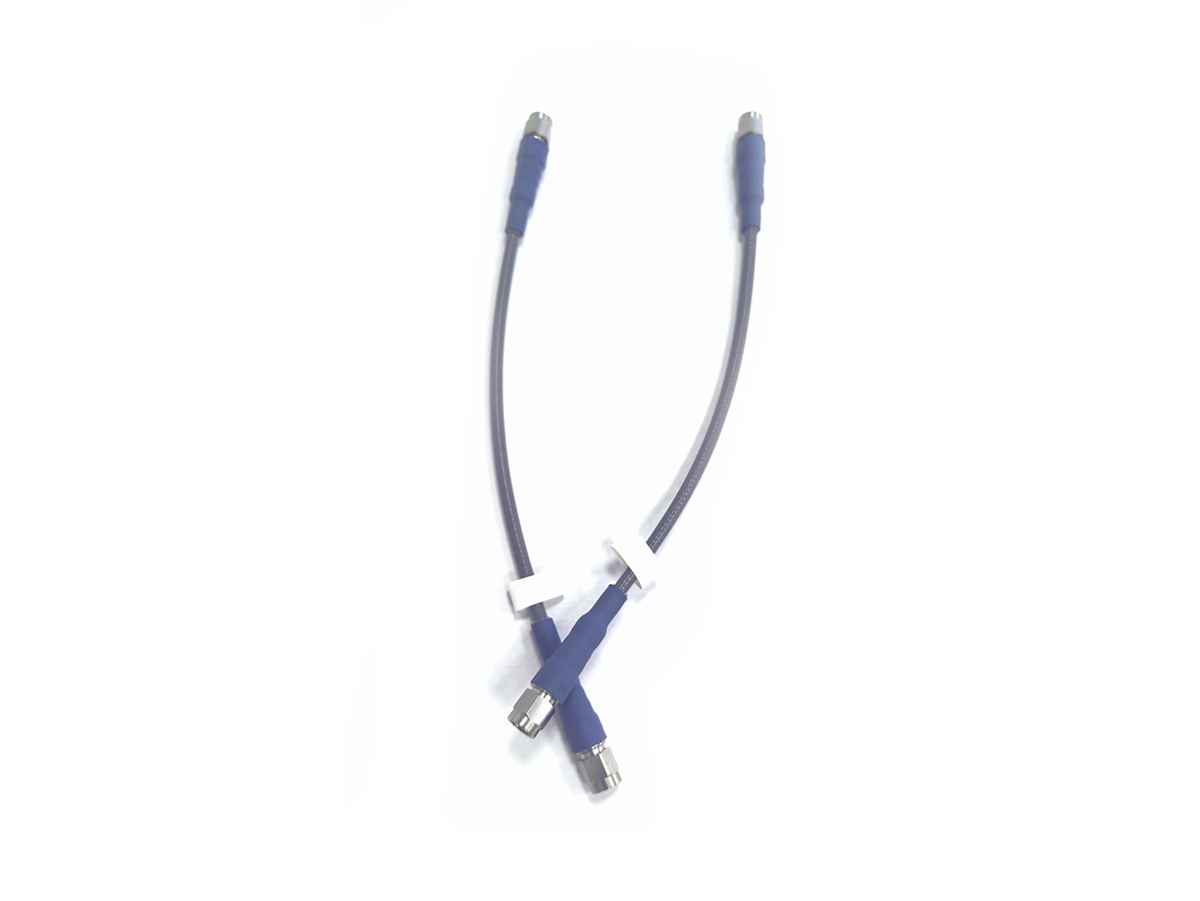
In the aerospace industry, reliability and performance are paramount, especially when it comes to data transmission. One of the critical components in this realm is the aerospace LVDS (Low-Voltage Differential Signaling) cable. These cables are designed specifically for high-speed data transfer while minimizing electromagnetic interference, making them an ideal choice for various aerospace applications.
Aerospace LVDS cables utilize a unique signaling technique that transmits data over two wires, allowing for a differential signal. This configuration helps to reduce noise and distortion, which is particularly important in environments with a high level of electromagnetic interference. As a result, aerospace LVDS cables can achieve higher data rates compared to traditional signaling methods, ensuring that critical information is transmitted swiftly and accurately.
One of the notable characteristics of aerospace LVDS cables is their lightweight and compact design. In an industry where weight reduction is crucial for fuel efficiency and overall performance, these cables offer a significant advantage. The materials used in their construction are often chosen not only for their electrical properties but also for their strength-to-weight ratio, making them suitable for use in aircraft and spacecraft where every ounce counts.
Furthermore, aerospace LVDS cables are designed to withstand extreme environmental conditions. This includes exposure to high temperatures, humidity, and vibration, all of which can occur in aerospace applications. The insulation and shielding materials used in these cables ensure that they maintain their performance and reliability under such challenging conditions, contributing to the overall safety of the aerospace systems they support.
When selecting aerospace LVDS cables, it is essential to consider factors such as the required data transmission speed, the operating environment, and the specific application. Customization is often available, allowing manufacturers to tailor the cable specifications to meet the particular needs of the project. This flexibility ensures that aerospace LVDS cables can be effectively integrated into a wide range of systems, from avionics to satellite communication.
In conclusion, aerospace LVDS cables play a critical role in the electrical and electronics sector by providing reliable and efficient data transmission solutions. Their unique design, lightweight characteristics, and ability to withstand harsh environments make them indispensable in various aerospace applications. Understanding the advantages and specifications of aerospace LVDS cables can help engineers and designers make informed decisions, ultimately leading to safer and more effective aerospace systems.
Aerospace LVDS cables utilize a unique signaling technique that transmits data over two wires, allowing for a differential signal. This configuration helps to reduce noise and distortion, which is particularly important in environments with a high level of electromagnetic interference. As a result, aerospace LVDS cables can achieve higher data rates compared to traditional signaling methods, ensuring that critical information is transmitted swiftly and accurately.
One of the notable characteristics of aerospace LVDS cables is their lightweight and compact design. In an industry where weight reduction is crucial for fuel efficiency and overall performance, these cables offer a significant advantage. The materials used in their construction are often chosen not only for their electrical properties but also for their strength-to-weight ratio, making them suitable for use in aircraft and spacecraft where every ounce counts.
Furthermore, aerospace LVDS cables are designed to withstand extreme environmental conditions. This includes exposure to high temperatures, humidity, and vibration, all of which can occur in aerospace applications. The insulation and shielding materials used in these cables ensure that they maintain their performance and reliability under such challenging conditions, contributing to the overall safety of the aerospace systems they support.
When selecting aerospace LVDS cables, it is essential to consider factors such as the required data transmission speed, the operating environment, and the specific application. Customization is often available, allowing manufacturers to tailor the cable specifications to meet the particular needs of the project. This flexibility ensures that aerospace LVDS cables can be effectively integrated into a wide range of systems, from avionics to satellite communication.
In conclusion, aerospace LVDS cables play a critical role in the electrical and electronics sector by providing reliable and efficient data transmission solutions. Their unique design, lightweight characteristics, and ability to withstand harsh environments make them indispensable in various aerospace applications. Understanding the advantages and specifications of aerospace LVDS cables can help engineers and designers make informed decisions, ultimately leading to safer and more effective aerospace systems.


Do you have Questions?
Not sure what you're looking for? Unable to find what you need?